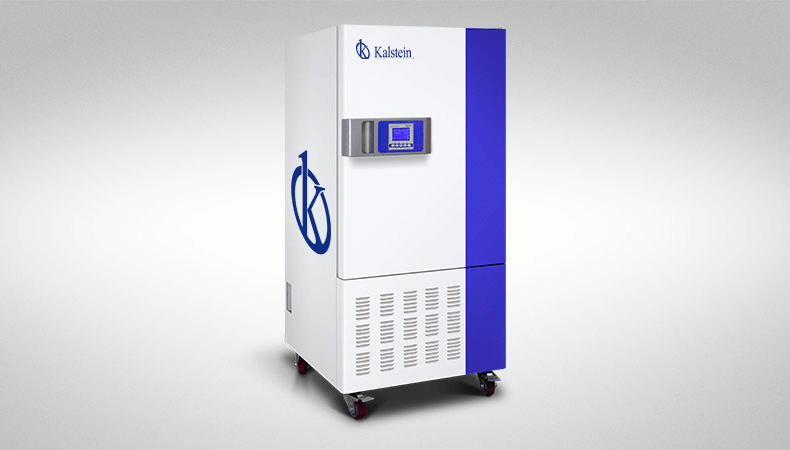
How to Ensure Predictive Maintenance and Periodic Calibration for Drug Stability Test Chambers
In the realm of pharmaceutical development, drug stability testing is crucial. Drug stability test chambers must not only provide a controlled environment for stability studies but also require rigorous maintenance to ensure compliance and accuracy. This article delves into predictive maintenance and periodic calibration practices for drug stability test chambers, enhancing performance and reliability.
Understanding Predictive Maintenance and Its Role
Predictive maintenance refers to the proactive approach of monitoring the performance of equipment and anticipating failures before they occur. This strategy is particularly vital in environments where drug stability test chambers, such as the YR05350, YR05351, and YR05352, are used, as any malfunction can compromise the integrity of the drug stability data.
Implementing predictive maintenance for these chambers involves scheduled inspections, monitoring operational data, and utilizing diagnostic tools to assess equipment performance. This approach minimizes downtime and ensures optimal functioning of the equipment, which is essential for maintaining compliance with industry standards.
Periodic Calibration: Why It Matters
Periodic calibration of drug stability test chambers is necessary to ensure that the temperature and humidity conditions meet specified standards. Calibration helps identify any drifts in measurement, which could lead to inaccurate results in drug stability studies. For instance, the YR05350 features advanced PID control systems that require routine calibrations to maintain precision.
The frequency of calibration typically depends on the usage and criticality of the measurements being taken. For high-volume laboratories, a quarterly calibration schedule is often recommended to maintain stringent quality checks.
Regulatory Standards for Calibration and Maintenance
Adhering to regulatory standards is a critical component of maintaining drug stability test chambers. Compliance with ISO 17025 is often necessary, as it outlines the requirements for the competence of testing and calibration laboratories. This standard mandates a robust calibration plan, which can be effectively supported by models like YR05351, which aid in maintaining controlled environments.
Laboratories must ensure that their calibration processes are documented appropriately, including a schedule, personnel responsible, and results of previous calibrations. This level of detail helps in audits and ensures adherence to quality assurance protocols.
Comparison of Available Models
| Model | Temperature Range (°C) | Humidity Range (% RH) | Key Features | Best For |
|---|---|---|---|---|
| YR05350 | 0-60 | 50-90 | Advanced PID Control, Forced Convection | Pharmaceutical Stability Testing |
| YR05351 | 0-60 | 50-90 | Multi-Safety System, Auto Defrost | Biotechnology Applications |
| YR05352 | 0-60 | 50-90 | Long Operation Time, High Stability | Research Laboratories |
Common Mistakes and How to Avoid Them
One of the prevalent mistakes in labs is neglecting routine maintenance and calibration schedules. This can lead to equipment failures and non-compliance with regulatory standards. To avoid this, labs should implement a maintenance management system that includes scheduled checks and a detailed log of all calibration activities.
Another common error is underestimating the importance of using certified calibration tools. Laboratories should ensure that all calibration instruments are traceable to national standards, which directly affects the reliability of the drug stability test results.
Best Practices for Implementing Predictive Maintenance
To effectively implement predictive maintenance for drug stability test chambers, it is advisable to establish baseline performance metrics. This might include monitoring temperature stability and humidity fluctuations within the chambers. Utilizing advanced sensors can provide real-time data, enabling quick responses to any deviations from set parameters.
Additionally, staff training is crucial. Operators should be knowledgeable about the equipment and may need training sessions on troubleshooting common issues. Regular workshops can help reinforce the importance of maintenance protocols.
Calibration Strategies and Scheduling
Creating a calibration schedule is essential for maintaining the accuracy of drug stability test chambers. Labs should consider factors such as usage frequency and the criticality of the measurements. A common strategy is to calibrate once per quarter for high-usage models like the YR05352, while less frequently used models may only need annual checks.
A calibration checklist can streamline the process, ensuring that all necessary parameters are covered. This checklist should include temperature readings, humidity levels, and any operational anomalies experienced during testing.
Frequently Asked Questions
What are the ideal calibration intervals for drug stability test chambers?
Calibration intervals depend on usage; for high-usage models like YR05351, quarterly calibration is recommended, while others may suffice with annual checks.
How can predictive maintenance improve the reliability of drug stability test chambers?
Predictive maintenance, through monitoring and diagnostics, can prevent unexpected failures in chambers like YR05350, ensuring consistent environmental conditions for stability testing.
Which regulatory compliance standards must be met for drug stability testing?
Drug stability testing must comply with ISO 17025 among other standards; models like YR05352 help in maintaining controlled environments required for these tests.
What key features should I look for in a drug stability test chamber?
Look for advanced PID control, precise temperature and humidity ranges, and a reliable safety system; models like YR05351 are excellent examples.
How does calibration affect drug stability test outcomes?
Calibration ensures that temperature and humidity settings are accurate, which is crucial for reliable results in stability studies conducted in chambers like YR05350.
What are the consequences of neglecting maintenance on drug stability test chambers?
Neglecting maintenance can lead to equipment failure and compromised test results, impacting compliance and reliability in chambers like YR05351.
How can I ensure my calibration process is compliant with industry standards?
Document your calibration schedule and results, and use instruments traceable to national standards to ensure compliance with ISO 17025 requirements.
What tools can help in predictive maintenance for drug stability test chambers?
Advanced sensors and monitoring systems can provide real-time data and alerts for predictive maintenance, enhancing reliability for models like YR05352.
If you are looking for a fusion of innovation and quality, you have come to the right place. At Kalstein, we offer you the luxury of exploring our exclusive catalog of laboratory equipment. We manufacture every device to the highest standards of excellence. Our intuitive and seamless online purchasing channels are designed for your convenience, securing the most competitive prices. Hesitate no longer — we bring science to life, it is time to become part of our community.