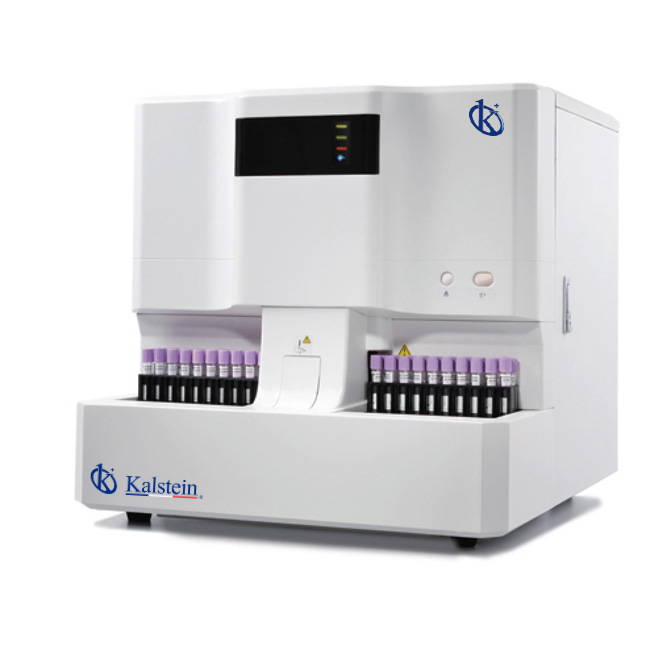
How to Implement Predictive Maintenance and Calibration for Hematology Analyzers?
In the rapidly evolving landscape of laboratory diagnostics, the need for precision and reliability in hematology analysis has never been more critical. Hematology analyzers, which play a pivotal role in diagnosing and monitoring various health conditions, require consistent maintenance and calibration to ensure the accuracy of test results. This article delves into the significance of predictive maintenance and periodic calibration tailored to hematology analyzers, focusing on specific models and best practices to enhance laboratory operations.
Understanding Predictive Maintenance and Calibration
Predictive maintenance refers to techniques designed to help determine the condition of in-service equipment in order to predict when maintenance should be performed. This approach aims to prevent unexpected equipment failures, thereby minimizing downtime and extending the lifespan of the analyzers. Calibration, on the other hand, is a process that involves configuring an instrument to provide a result for a sample within an acceptable and predetermined range. Both strategies are essential for maintaining the reliability and performance of hematology analyzers.
Importance of Regular Calibration in Hematology Analyzers
Regular calibration of hematology analyzers is vital to meet industry standards such as ISO 15189, which outlines the quality management systems for medical laboratories. Accurate calibration ensures that the analyzers produce reliable results, which is crucial for patient diagnosis and treatment. Models like the Automatic Hematology Analyzer YR06080 and YR05123 feature automatic calibration functions that help in maintaining compliance with these standards, thus ensuring quality control in lab settings.
Comparison of Available Models
| Model | Testing Speed (Samples/hour) | Calibration Features | Best Use Case |
|---|---|---|---|
| YR06080 | 60 | Automatic and Manual Calibration | High Demand Laboratories |
| YR05123 | 60 | Automatic and Manual Calibration | Efficient Blood Testing |
| YR05122-1 | 60 | Automatic Calibration | Integrated Laboratory Systems |
| YR05122 | 35 | Manual Calibration | Small to Medium Labs |
| YR05121 | 35 | Automatic Calibration | General Purpose |
| YR05120 | 35 | Manual Calibration | Cost-Effective Solutions |
Common Mistakes and How to Avoid Them
Laboratories often encounter several challenges when implementing predictive maintenance and calibration strategies. One common mistake is neglecting to establish a routine schedule for calibration, leading to inconsistent test results. To avoid this, laboratories should develop a maintenance schedule based on manufacturer recommendations and laboratory standards. Additionally, failing to educate staff on the importance of these processes can result in poor adherence to protocols. Training sessions and regular workshops can help reinforce these practices.
Factors to Consider for Effective Predictive Maintenance
When implementing predictive maintenance in hematology analyzers, laboratories should consider the following factors:
- Data Analysis: Utilize software tools to analyze performance data and identify trends that may indicate future problems.
- Sensor Technology: Invest in analyzers equipped with sensors that provide real-time performance feedback.
- Expertise: Engage trained personnel who can interpret data and schedule maintenance effectively.
Calibration Intervals and Best Practices
Establishing appropriate calibration intervals is crucial for maintaining analyzer performance. Generally, the following guidelines can be applied:
| Model | Recommended Calibration Interval | Remarks |
|---|---|---|
| YR06080 | Every 30 days | High volume; requires stringent accuracy |
| YR05123 | Every 30 days | Best for critical testing |
| YR05122-1 | Every 60 days | Balanced workload |
| YR05122 | Every 90 days | Cost-effective for smaller labs |
Key Performance Indicators for Predictive Maintenance
To measure the effectiveness of predictive maintenance strategies, laboratories should track key performance indicators (KPIs) such as:
- Mean Time Between Failures (MTBF): Evaluate the average time between system breakdowns to assess reliability.
- Mean Time to Repair (MTTR): Monitor the average time taken to resolve issues, which impacts overall uptime.
Frequently Asked Questions
What is the importance of predictive maintenance in hematology analyzers?
Predictive maintenance in hematology analyzers, such as the YR06080, enhances reliability and minimizes downtime by foreseeing potential equipment failures. This proactive approach ensures that laboratories maintain high standards of accuracy and efficiency, aligning with regulatory requirements.
How often should hematology analyzers be calibrated?
Calibration of hematology analyzers like the YR05123 should typically occur every 30 days to ensure precise performance and compliance with industry standards such as ISO 15189.
What models offer automatic calibration features for hematology analyzers?
The Automatic Hematology Analyzer YR06080 and YR05122-1 both provide automatic calibration features, making them highly suitable for laboratories aiming to streamline their quality control processes.
How can I improve the accuracy of hematology analyzer results?
To improve accuracy, regularly calibrate models like the YR05122 and implement predictive maintenance strategies that monitor performance metrics and schedule timely servicing to prevent errors.
What are the key factors for effective calibration of hematology analyzers?
Effective calibration factors include establishing a routine schedule, utilizing trained personnel for calibration tasks, and employing analyzers like YR05121 that support automatic calibration processes for efficiency.
What challenges do laboratories face in maintaining hematology analyzers?
Common challenges include neglecting regular maintenance schedules and insufficient training on calibration procedures. Utilizing models like the YR05120 can mitigate these issues through user-friendly interfaces and automated functions.
Which hematology analyzer model is best for high-volume testing?
The YR06080 is ideal for high-volume testing with a capacity of 60 samples per hour and integrated predictive maintenance features to maintain operational efficiency.
How does predictive maintenance affect laboratory operations?
Predictive maintenance impacts laboratory operations by reducing unexpected failures, enhancing equipment lifespan, and ensuring accurate test results, which is critical for patient care in labs utilizing the YR05123 model.
If you are looking for a fusion of innovation and quality, you have come to the right place. At Kalstein, we offer you the luxury of exploring our exclusive catalog of laboratory equipment. We manufacture every device to the highest standards of excellence. Our intuitive and seamless online purchasing channels are designed for your convenience, securing the most competitive prices. Hesitate no longer — we bring science to life, it is time to become part of our community.