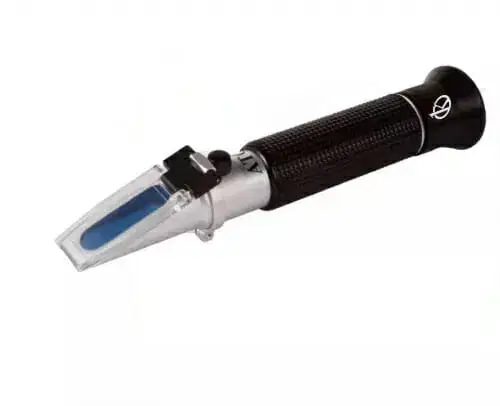
How to Ensure Predictive Maintenance and Calibration for Honey Refractometers
Honey refractometers play a critical role in monitoring the quality and concentration of sugar in honey and related products. Predictive maintenance and periodic calibration are essential practices that ensure these instruments provide reliable and accurate measurements. This article delves into the significance of these practices and how they can be effectively implemented in laboratory settings.
Understanding Honey Refractometers
Honey refractometers are specialized instruments designed to measure the sugar concentration in honey, jam, and other syrupy substances. They allow for the evaluation of product quality at various stages, from raw processing to packaging. Accurate measurements are vital for quality control, ensuring that products meet regulatory standards and customer expectations.
The Importance of Predictive Maintenance
Predictive maintenance involves monitoring the condition of honey refractometers to predict when maintenance should be performed. This approach minimizes downtime and extends the lifespan of the equipment. By regularly checking for signs of wear or calibration drift, laboratories can avoid unexpected failures that may affect the quality of measurements.
Benefits of Predictive Maintenance
Implementing predictive maintenance can lead to significant benefits, including reduced operational costs, increased instrument lifespan, and improved measurement accuracy. By knowing when to perform maintenance, laboratories can ensure continuous operation without compromising on the quality of results.
Calibration of Honey Refractometers
Calibration is the process of verifying and adjusting the accuracy of measurement instruments. For honey refractometers, periodic calibration is essential to maintain reliable performance. Calibration should be performed against a known standard, ensuring that the refractometer readings reflect the true concentration of sugar in the sample.
Calibration Frequency
The frequency of calibration depends on the usage and environmental conditions. As a standard practice, honey refractometers should be calibrated before initial use and then at regular intervals, such as once every month or after significant environmental changes.
Common Calibration Standards for Honey Refractometers
Common calibration standards for honey refractometers include solutions with known Brix values. The use of certified standard solutions ensures that the device is calibrated accurately, providing reliable results in compliance with industry standards.
Comparison of Available Models
| Model | Measurement Range | Min. Division | Accuracy | Best for |
|---|---|---|---|---|
| YR05885 | 58-92% Brix | 0.50% Brix | ±0.5% Brix | Monitoring high-sugar content |
| YR05885-1 | 58-92% Brix | 0.50% Brix | ±0.5% Brix | Quality control of honey |
| YR05885-2 | 58-92% Brix | 0.50% Brix | ±0.5% Brix | Checking syrup quality |
| YR05886 | 10-30% water | 0.10% water | ±0.10% water | Measuring moisture in honey |
Calibration Procedures
To calibrate honey refractometers, follow these steps:
- Prepare standard solutions with known Brix values.
- Rinse the refractometer prism with distilled water.
- Place a drop of the standard solution on the prism.
- Close the cover and take the reading.
- Adjust the calibration screw until the reading matches the known value.
Common Mistakes and How to Avoid Them
Many laboratories encounter common pitfalls when maintaining and calibrating honey refractometers. Here are key mistakes to avoid:
- Infrequent Calibration: Ensure regular calibration to maintain measurement accuracy.
- Ignoring Environmental Factors: Store refractometers in stable environments to prevent drift.
- Not Using Certified Standards: Always calibrate against certified solutions for reliable results.
Frequently Asked Questions
How often should I calibrate a honey refractometer for accurate results?
A honey refractometer, such as the YR05885, should be calibrated at least once a month or before significant use to ensure accurate measurements.
What is the impact of temperature on the calibration of honey refractometers?
Temperature affects the viscosity of honey, which can impact readings. Use models like YR05886 with automatic temperature compensation to mitigate this issue.
How can predictive maintenance improve the longevity of my honey refractometer?
Predictive maintenance helps identify wear and tear before it leads to failure, extending the life of instruments such as the YR05885-1 and ensuring consistent performance.
What are the signs that my honey refractometer needs calibration?
If readings from your YR05885-2 show significant deviations from known standards, it indicates the need for calibration to maintain measurement reliability.
What calibration standards are recommended for honey refractometers?
Using certified solutions with specific Brix values is essential for accurate calibration of models like YR05886, ensuring compliance with quality control standards.
What maintenance steps should I take to ensure my honey refractometer performs optimally?
Regular cleaning, checking for physical damage, and following calibration schedules are vital for keeping your honey refractometer, like the YR05885, in top condition.
How does improper calibration impact the quality of honey measurements?
Improper calibration can lead to inaccurate Brix readings, affecting product quality assessments and potentially leading to regulatory non-compliance in honey production.
How can I integrate predictive maintenance with my laboratory practices for refractometers?
Establish a monitoring schedule, keep detailed records of maintenance activities, and utilize data analytics to assess instrument performance for models like YR05885-1.
If you are looking for a fusion of innovation and quality, you have come to the right place. At Kalstein, we offer you the luxury of exploring our exclusive catalog of laboratory equipment. We manufacture every device to the highest standards of excellence. Our intuitive and seamless online purchasing channels are designed for your convenience, securing the most competitive prices. Hesitate no longer — we bring science to life, it is time to become part of our community.