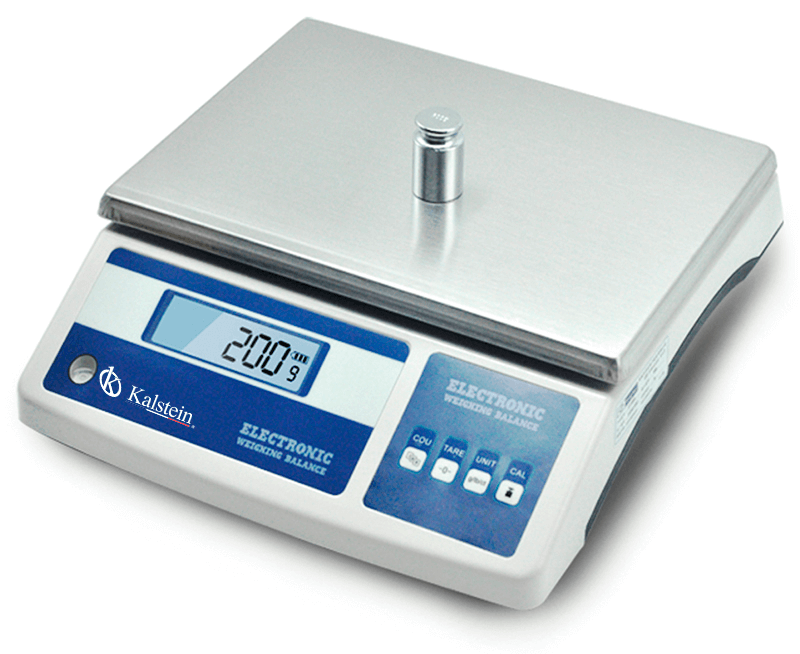
How to Ensure Predictive Maintenance and Recommended Calibration for Industrial Balances
In the realm of laboratory operations, maintaining precise measurements is crucial for quality control and operational efficiency. Industrial balances are fundamental tools used in various fields, including research, pharmaceuticals, and manufacturing. To ensure these balances operate at their optimal performance, implementing a strategy for predictive maintenance and regular calibration is not just advisable but essential.
Understanding Predictive Maintenance in Industrial Balances
Predictive maintenance is a proactive approach that involves monitoring the condition of industrial balances through various techniques to predict when maintenance should be performed. This strategy aims to reduce downtime and extend the lifespan of the equipment. By analyzing data collected from the balances, such as weight measurements and operational hours, laboratory professionals can schedule maintenance before failures occur.
For example, using statistical models allows labs to identify abnormal trends in measurements that may signal the need for maintenance. By focusing on these predictive indicators, facilities can avoid costly disruptions and ensure continual operational efficiency.
Importance of Regular Calibration
Calibration is the process of adjusting the balance to ensure that its measurements are accurate and reliable. Regular calibration is vital for compliance with industry standards such as ISO 17025, which outlines the requirements for testing and calibration laboratories. The frequency of calibration depends on various factors, including usage, environment, and the specific requirements of the applications for which the balances are used.
Failing to calibrate balances regularly can lead to significant inaccuracies, which may compromise experimental results. Calibration should be documented meticulously in order to maintain traceability and compliance with relevant regulations.
Calibration Standards for Industrial Balances
Industrial balances must meet specific standards to ensure their accuracy and reliability. The most recognized standard for calibration in laboratories is ISO 17025. This standard requires that laboratories establish and maintain a quality management system to ensure consistent and valid results.
Moreover, different industrial balances may have specific calibration requirements based on their maximum capacity and intended use. For instance, balances like the YR05606, with a capacity of 11 kg and a readability of 1g, require different calibration protocols than larger models like the YR05609, which can handle up to 31 kg.
Recommended Calibration Schedule
| Model | Recommended Calibration Interval (Months) | Best Application |
|---|---|---|
| YR05606 | 12 | General laboratory use |
| YR05607 | 12 | Pharmaceutical measurements |
| YR05608 | 6 | Research and development |
| YR05609 | 6 | Heavy-duty industrial applications |
| YR05610 | 12 | Standard laboratory use |
| YR05611 | 12 | Academic research |
| YR05612 | 6 | Quality control processes |
| YR05613 | 6 | Precision measurement tasks |
| YR05614 | 12 | Large sample weighing |
Common Mistakes and How to Avoid Them
One of the most common mistakes made by laboratory personnel is neglecting regular calibration schedules. Many assume that if the balance appears to be functioning correctly, it does not need recalibration. This misconception can lead to significant measurement errors and compromised data integrity.
Another mistake is failing to document calibrations properly. Maintaining accurate records of all calibration activities ensures compliance with ISO 17025 and helps track the balance's performance over time. Implementing a systematic approach to maintenance and calibration can significantly enhance operational efficiency and data reliability.
Comparison of Available Models
| Model | Capacity (kg) | Readability (g) | Best for | Calibration Interval (Months) |
|---|---|---|---|---|
| YR05606 | 11 | 1 | General laboratory use | 12 |
| YR05607 | 16 | 1 | Pharmaceutical measurements | 12 |
| YR05608 | 21 | 1 | Research and development | 6 |
| YR05609 | 31 | 1 | Heavy-duty industrial applications | 6 |
| YR05610 | 5.1 | 0.1 | Standard laboratory use | 12 |
| YR05611 | 11 | 0.1 | Academic research | 12 |
| YR05612 | 16 | 0.1 | Quality control processes | 6 |
| YR05613 | 21 | 0.1 | Precision measurement tasks | 6 |
| YR05614 | 26 | 0.1 | Large sample weighing | 12 |
Frequently Asked Questions
What is the impact of predictive maintenance on industrial balances?
Predictive maintenance significantly enhances the operational reliability of industrial balances like the YR05609 by allowing timely interventions before failures occur. This approach can extend the balance's lifespan and maintain accuracy, reducing unexpected downtime.
How often should industrial balances be calibrated for optimal precision?
Industrial balances such as the YR05608 should ideally be calibrated every 6 to 12 months depending on usage. Regular calibration ensures compliance with industry standards and maintains measurement accuracy across various applications.
Which industrial balance model is best for high-capacity weighing tasks?
The YR05609 is ideal for high-capacity weighing tasks, with a maximum capacity of 31kg and a readability of 1g. This model is well-suited for heavy-duty industrial applications requiring precise measurements.
How can I ensure compliance with ISO 17025 for industrial balances?
To ensure compliance with ISO 17025, laboratories must maintain a documented calibration schedule for each balance, such as the YR05606. Regular training for personnel and adherence to quality management protocols are also essential for meeting compliance.
What are the common calibration intervals for different industrial balances?
Common calibration intervals vary by model. For instance, the YR05607 is recommended to be calibrated every 12 months, while models like the YR05608 may require calibration every 6 months due to their specific application demands.
How does predictive maintenance reduce costs in laboratory settings?
Predictive maintenance minimizes costs by avoiding unexpected breakdowns and extending the life of equipment like the YR05611. By analyzing performance data, labs can optimize maintenance schedules, reducing operational costs significantly.
What role does documentation play in the calibration of industrial balances?
Documentation is critical in calibration processes for industrial balances. Accurate records, such as those for the YR05612, ensure traceability and compliance with ISO 17025, helping to maintain quality control and operational standards.
How can I implement a predictive maintenance strategy in my laboratory?
To implement a predictive maintenance strategy, begin by monitoring the performance of balances like the YR05610 through data collection and analysis. Establish regular review intervals and integrate your findings into maintenance schedules to enhance reliability.
If you are looking for a fusion of innovation and quality, you have come to the right place. At Kalstein, we offer you the luxury of exploring our exclusive catalog of laboratory equipment. We manufacture every device to the highest standards of excellence. Our intuitive and seamless online purchasing channels are designed for your convenience, securing the most competitive prices. Hesitate no longer — we bring science to life, it is time to become part of our community.