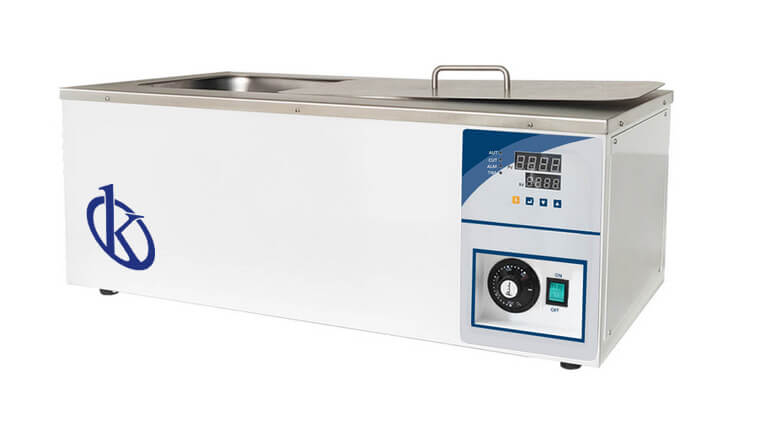
How to Implement Predictive Maintenance and Recommended Calibration for Oil Baths
In the realm of laboratory equipment, ensuring precision and reliability is crucial for achieving valid experimental results. Oil baths, widely used for controlled heating in various scientific fields, necessitate regular calibration and predictive maintenance. This article delves into the importance of these practices specifically for oil baths, discussing how they contribute to consistent performance, extend equipment life, and uphold compliance with industry standards.
Understanding Predictive Maintenance in Oil Baths
Predictive maintenance involves anticipating equipment failures based on data analysis rather than relying solely on reactive or scheduled maintenance. For oil baths, this means utilizing performance metrics and monitoring systems to identify potential issues before they lead to equipment failure. By implementing predictive maintenance, laboratories can minimize downtime and repair costs while ensuring continuous operation.
Importance of Regular Calibration
Calibration is essential for maintaining the accuracy of measurements taken with oil baths. Regular calibration ensures that the temperature settings reflect the actual heated environment. For instance, the YR04973 and YR04976 models feature advanced PID controllers that help achieve precise temperature control, making routine checks vital for maintaining their specified accuracy of ±1°C.
Recommended Calibration Intervals
The frequency of calibration depends on several factors, including usage frequency, environmental conditions, and specific laboratory requirements. A general recommendation is to calibrate oil baths every three months. However, for high-intensity use, more frequent checks may be warranted. Implementing a structured calibration schedule helps uphold accuracy and compliance with quality standards.
Failure Modes and Their Impacts
Common failure modes in oil baths include temperature fluctuation, sensor malfunction, or control system errors. If not addressed, these failures can lead to inaccurate heating, affecting experimental outcomes. Understanding these failure modes allows laboratories to take proactive measures, such as enhancing monitoring systems or investing in models like YR04974, designed for stability and ease of operation.
Key Performance Indicators for Maintenance
Establishing key performance indicators (KPIs) is critical for effective predictive maintenance. KPIs such as Mean Time Between Failures (MTBF) and Mean Time To Repair (MTTR) provide valuable insights into equipment reliability. Tracking these metrics helps laboratories identify trends and optimize maintenance strategies for their oil baths, ensuring minimal disruption to workflows.
Best Practices for Calibration Procedures
Effective calibration procedures should include steps such as using traceable standards, documenting calibration processes, and training personnel on best practices. For instance, using reference thermometers calibrated against national standards ensures that measurements are accurate. Oil baths like the YR04975 offer easy operation, making these best practices more manageable for lab staff.
Integration of IoT in Predictive Maintenance
The integration of Internet of Things (IoT) technology can significantly enhance predictive maintenance strategies for oil baths. By utilizing sensors that monitor temperature and performance in real-time, laboratories can receive alerts about deviations, enabling timely interventions. This proactive approach can vastly improve the longevity and efficiency of equipment like the YR04976.
Comparison of Available Models
| Model | Temperature Range (°C) | Power (W) | Best For |
|---|---|---|---|
| YR04973 | RT +5~250 | 1000 | General laboratory use, bioengineering |
| YR04974 | RT +5~250 | 1200 | Medical applications, food industry |
| YR04975 | RT +5~250 | 1600 | Chemical industry, research labs |
| YR04976 | RT +5~250 | 2000 | High-demand settings, industrial use |
Common Mistakes and How to Avoid Them
Many laboratories overlook the importance of a structured calibration schedule for their oil baths, assuming that periodic checks are sufficient. Another common mistake is the failure to document calibration results, which can lead to compliance issues. To avoid these pitfalls, labs should establish a routine maintenance plan and ensure all results are recorded accurately.
Frequently Asked Questions
How often should oil baths be calibrated for accurate results?
Calibration for oil baths is generally recommended every three months, especially for high-frequency usage. For models like YR04973, consistent calibration ensures optimal performance and adherence to accuracy standards.
What are the signs of failing calibration in an oil bath?
Signs of failing calibration include inconsistent temperature readings, longer heating times, and deviations from set temperature. Regular checks on models such as YR04974 help identify these issues early.
Which model of oil bath is best for high-demand laboratory settings?
The YR04976 is optimal for high-demand settings due to its 2000W power and precise temperature control capabilities, making it suitable for rigorous laboratory requirements.
How can predictive maintenance reduce costs in laboratory settings?
Predictive maintenance can lower costs by reducing unexpected equipment failures and minimizing downtime. Implementing monitoring systems for oil baths like YR04975 helps streamline operations and save resources.
What calibration standards should be applied to oil baths?
Oil baths should adhere to traceable calibration standards outlined by organizations such as ISO 17025. Ensuring compliance with these standards enhances reliability and accuracy in models like YR04974.
How can IoT improve maintenance strategies for oil baths?
IoT technology can facilitate real-time monitoring of oil baths, sending alerts for maintenance needs. This proactive approach can enhance the efficiency of models like YR04976, ensuring continuous operation.
What is the impact of temperature fluctuation in oil baths?
Temperature fluctuations in oil baths can lead to inaccurate experimental results. Regular calibration and maintenance for models such as YR04973 can prevent these issues, ensuring consistent heating.
How can labs document their calibration processes effectively?
Labs can document calibration processes by maintaining detailed logs, including calibration dates, methods used, and results. This practice is essential for compliance and can be easily integrated into workflows for oil baths.
If you are looking for a fusion of innovation and quality, you have come to the right place. At Kalstein, we offer you the luxury of exploring our exclusive catalog of laboratory equipment. We manufacture every device to the highest standards of excellence. Our intuitive and seamless online purchasing channels are designed for your convenience, securing the most competitive prices. Hesitate no longer — we bring science to life, it is time to become part of our community.