How to Implement Predictive Maintenance and Recommended Calibration for Plant Growth Chambers
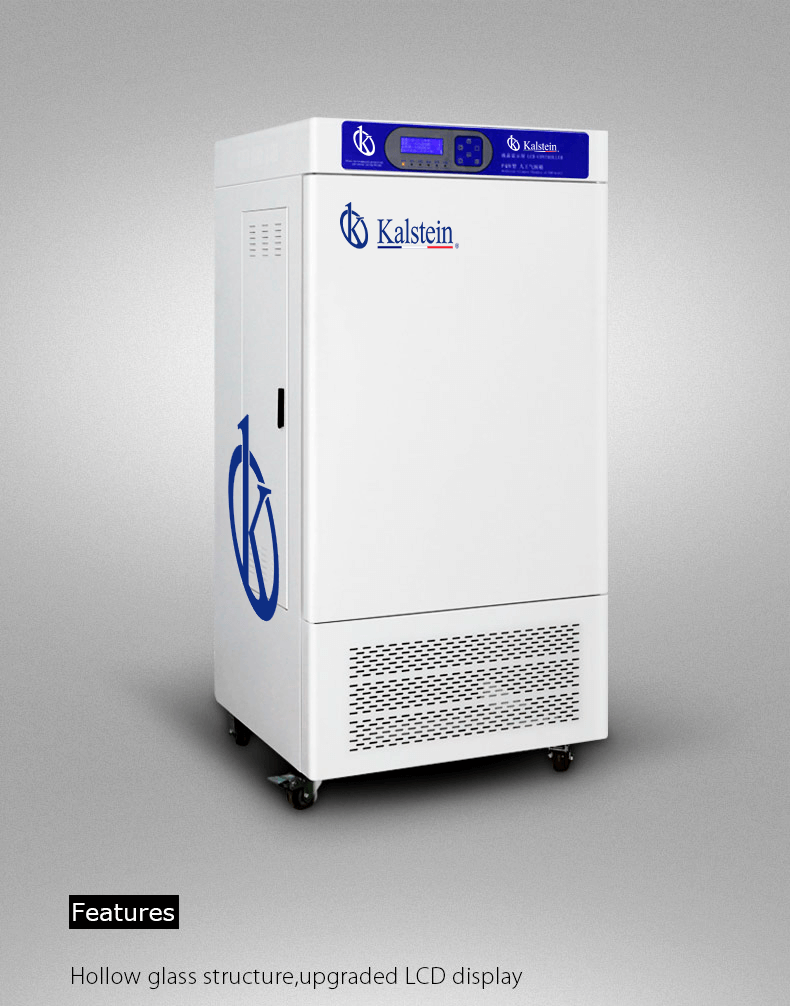
Plant growth chambers are pivotal in agricultural research and biotechnological applications. Their precision in creating controlled environments allows for the successful germination of seeds and the growth of plants under specific conditions. However, the efficiency and reliability of these chambers hinge on proper predictive maintenance and regular calibration. This article explores these elements, focusing on three models of plant growth chambers, and offers insights into best practices for maintenance and calibration.
Understanding Predictive Maintenance in Plant Growth Chambers
Predictive maintenance utilizes data-driven techniques to predict when equipment will fail, thereby allowing for timely intervention. In the context of plant growth chambers, this approach enhances operational uptime and ensures consistent environmental control. Factors such as temperature fluctuations, humidity levels, and lighting conditions are critical to monitor. Implementing predictive measures can involve installing sensors that track these variables and alert users before a potential malfunction occurs.
Importance of Regular Calibration
Calibration is essential to maintain the accuracy of the measurements made by plant growth chambers. Regular calibration ensures that temperature regulators, light sensors, and humidity controllers are functioning correctly. For instance, a malfunctioning temperature sensor could lead to suboptimal growth conditions, adversely affecting experiments. A well-structured calibration schedule can prevent these issues, ensuring experiments are reproducible and reliable.
Recommended Calibration Intervals
The frequency of calibration can depend on several factors, including the model of the plant growth chamber, usage intensity, and the stability of the environment. Typically, recalibrating once every six months is advisable; however, more frequent checks may be warranted for high-usage scenarios. For instance, if a plant growth chamber is frequently used for critical experiments, quarterly calibration may be necessary.
Common Calibration Standards
Calibration in plant growth chambers often adheres to specific standards to ensure compliance with industry benchmarks. Utilizing standards such as ISO 17025 can provide a framework for establishing traceable calibration protocols. ISO 17025 outlines the requirements for laboratory competence and helps laboratories demonstrate that they operate consistently and are able to produce valid results.
Comparison of Available Models
| Model | Temperature Range (℃) | Illumination (LX) | Calibration Features | Best for |
|---|---|---|---|---|
| YR05331 | 10~50 (with light), 5~60 (without light) | 0~10000 | Automatic temperature control, LCD display | Seed germination, biological testing |
| YR05332 | 10~50 (with light), 5~60 (without light) | 0~15000 | Automatic temperature control, smart microcomputer | Microbial testing, agricultural research |
| YR05333 | 10~50 (with light), 5~60 (without light) | 0~15000 | Automatic temperature control, five adjustable light levels | Quality product testing, temperature constant experiments |
Common Mistakes and How to Avoid Them
Ensuring the reliability of plant growth chambers requires diligent attention to maintenance practices. Common mistakes include neglecting routine checks, failing to document calibration processes, and overlooking environmental variables affecting growth conditions. To avoid these pitfalls, laboratories should develop a standard operating procedure (SOP) for maintenance and calibration. This SOP should include checklists for regular inspections, documentation processes, and guidelines on responding to sensor alerts.
Energy Consumption and Sustainability Considerations
Incorporating energy-efficient models into laboratory practices can significantly reduce operational costs and environmental impact. The energy consumption of plant growth chambers can vary widely based on their specifications and usage. For example, models like YR05332, with higher illumination capacity, may consume more energy, demanding careful consideration of their impact on utility expenses. Implementing energy-saving protocols during off-peak hours can also enhance sustainability efforts.
Frequently Asked Questions
What regular maintenance does a plant growth chamber require for accuracy?
A plant growth chamber, such as the YR05331, requires regular checks on temperature, humidity, and light levels to maintain accuracy. Following a structured maintenance schedule that includes cleaning, recalibrating sensors every six months, and monitoring structural integrity can prevent failures and ensure reliability.
How can I ensure my plant growth chamber meets ISO 17025 standards?
To ensure compliance with ISO 17025, a laboratory should implement a documented calibration process, maintain records of equipment performance, and regularly train staff on best practices. Models like YR05332 offer features that can assist in adhering to these standards, such as automatic temperature control and comprehensive monitoring.
What are the best practices for calibrating plant growth chambers?
Best practices for calibration include establishing a routine calibration schedule, using traceable standards, and documenting all calibration activities. Chambers like the YR05333, with automated calibration features, can simplify this process and enhance accuracy in experimental results.
Which plant growth chamber model offers the best energy efficiency?
Energy efficiency in plant growth chambers can vary by model. The YR05331, for instance, is designed for lower power consumption while still providing essential environmental controls. Evaluating energy ratings and operational costs is crucial for sustainability.
How do predictive maintenance strategies improve plant growth chamber operations?
Predictive maintenance strategies, such as those utilizing sensors to monitor performance, can help anticipate equipment failures. Implementing these strategies in models like the YR05332 can enhance operational efficiency and reduce downtime, ensuring consistent plant growth conditions.
What factors influence the calibration frequency for plant growth chambers?
Calibration frequency is influenced by factors such as usage intensity, environmental conditions, and type of experiments conducted. For example, if a YR05333 is used for high-stakes experiments, quarterly calibration may be necessary to maintain accuracy and reliability.
How do I document maintenance and calibration for my plant growth chamber?
Documenting maintenance and calibration involves creating a log that records dates of calibration, results of tests, and any maintenance performed. This is essential for compliance and can be facilitated by the features of models like YR05331, which offer comprehensive monitoring options.
What is the role of sensors in predictive maintenance of plant growth chambers?
Sensors play a critical role in predictive maintenance by constantly monitoring environmental conditions such as temperature and humidity. For example, the YR05332 can utilize these sensors to provide alerts for potential failures, allowing for timely interventions and minimizing disruptions in research activities.
If you are looking for a fusion of innovation and quality, you have come to the right place. At Kalstein, we offer you the luxury of exploring our exclusive catalog of laboratory equipment. We manufacture every device to the highest standards of excellence. Our intuitive and seamless online purchasing channels are designed for your convenience, securing the most competitive prices. Hesitate no longer — we bring science to life, it is time to become part of our community.