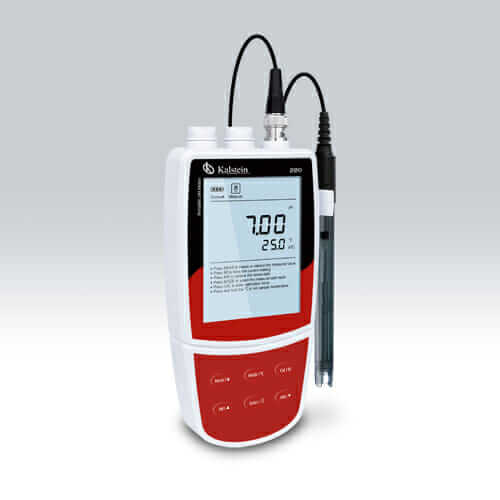
Predictive Maintenance and Recommended Calibration for Table pH Meters
Table pH meters are essential instruments in laboratories, enabling precise measurement of acidity or alkalinity in various solutions. Ensuring their accuracy and reliability demands regular calibration and predictive maintenance. This article delves into these critical practices, emphasizing their significance in laboratory settings and providing a comparative analysis of different models.
Understanding Predictive Maintenance and Calibration
Predictive maintenance refers to the proactive approach to maintaining equipment by predicting when it might fail. It employs data analysis tools and techniques to detect anomalies and potential defects in equipment. On the other hand, calibration ensures that the pH meter provides accurate measurements by adjusting it to defined standards. For pH meters, these practices are indispensable, as even minor inaccuracies can lead to significant errors in experimental results.
Importance of Regular Calibration for Table pH Meters
Calibration is vital for maintaining the accuracy of table pH meters. Regular calibration reduces the risk of measurement error due to electrode drift and environmental changes that could affect readings. The general recommendation is to calibrate pH meters at least once a month or more frequently depending on usage and conditions. Each model has specific calibration capabilities; for instance, the YR0220A allows calibration from 1 to 5 points, accommodating various buffer standards for precise adjustments.
Predictive Maintenance: Enhancing Longevity and Performance
Implementing predictive maintenance strategies helps in identifying potential problems before they lead to equipment failure. This involves setting up a schedule for regular checks based on usage patterns and past performance data. For example, utilizing the automatic electrode diagnostics feature in models like YR01823-2 provides real-time assessments of the electrode's condition, ensuring timely interventions to maintain performance.
Features of Various Table pH Meters in the Context of Calibration
Different table pH meters offer various features that cater to calibration and maintenance needs. The YR01822 model, for instance, features automatic calibration and data storage, making it easier to maintain records of calibration history. In contrast, the YR01826 provides a wide measurement range and stability, making it suitable for various laboratory environments.
Comparison of Available Models
| Model | Calibration Points | pH Range | Automatic Temperature Compensation | Recommended Scenario |
|---|---|---|---|---|
| YR0220A | 1 to 5 points | -2.00 to 20.00 pH | Yes | General laboratory use |
| YR01822 | 1 to 3 points | -2.00 to 20.00 pH | Yes | Advanced research applications |
| YR01825 | 1 to 3 points | -2.00 to 20.00 pH | Yes | Field studies |
| YR01823-2 | 1 to 5 points | -2.00 to 20.00 pH | Yes | Precise laboratory measurements |
| YR01823 | 1 to 3 points | -2.00 to 20.00 pH | Yes | Routine quality control |
| YR01826 | 1 to 3 points | -2.00 to 19.999 pH | Yes | Environmental testing |
Common Mistakes and How to Avoid Them
Laboratory professionals often make mistakes regarding the calibration and maintenance of pH meters. One common error is neglecting to calibrate the meter regularly, which can lead to inaccurate measurements. To avoid this, lab managers should set up a strict calibration schedule based on the frequency of use. Another mistake is using expired buffer solutions for calibration, which can also affect accuracy; using fresh solutions is essential for reliable readings.
Frequently Asked Questions
How often should table pH meters be calibrated for optimal performance?
Calibration frequency depends on usage, with a general recommendation for monthly calibration. For models like YR0220A, more frequent calibration may be necessary if used in variable environments or with different samples, ensuring reliable results across all measurements.
What are the benefits of using automatic temperature compensation in pH meters?
Automatic Temperature Compensation (ATC) in models like YR01822 ensures accurate pH readings regardless of temperature changes, a crucial feature in varying lab conditions. It adjusts measurements based on temperature fluctuations, enhancing precision and reliability.
Which calibration points are best for laboratory table pH meters?
Using multiple calibration points improves measurement accuracy. Models such as YR01823-2 support up to 5 calibration points, allowing adaptation to various buffer standards, which is essential for precise laboratory results across different applications.
Can predictive maintenance help reduce operational costs in laboratories?
Yes, predictive maintenance can significantly reduce operational costs by preventing equipment failures. Regular monitoring and diagnostics, like those in the YR01825, help identify issues early, minimizing downtime and repair expenses while extending the life of the equipment.
What should be included in a calibration schedule for pH meters?
A calibration schedule should include frequency, buffer solutions to be used, and documentation of results. Models like YR01826 streamline this process with automatic data storage, ensuring traceability and compliance with laboratory standards.
How important is data storage in modern table pH meters?
Data storage is crucial for tracking calibration history and performance trends. Models such as YR01822 offer extensive storage capabilities, enabling easy access to past calibration results, which is vital for maintaining compliance and quality assurance in laboratories.
What factors affect the choice of a pH meter for laboratory use?
Factors include measurement range, calibration capabilities, and additional features like ATC. For instance, YR01823 offers flexibility with multiple calibration points, making it ideal for diverse laboratory environments and applications.
How can I ensure my table pH meter remains compliant with laboratory standards?
Regular calibration, proper maintenance, and thorough documentation are essential. Using models like YR0220A that provide automatic diagnostics facilitates compliance with standards by ensuring ongoing accuracy and performance validation.
If you are looking for a fusion of innovation and quality, you have come to the right place. At Kalstein, we offer you the luxury of exploring our exclusive catalog of laboratory equipment. We manufacture every device to the highest standards of excellence. Our intuitive and seamless online purchasing channels are designed for your convenience, securing the most competitive prices. Hesitate no longer — we bring science to life, it is time to become part of our community.