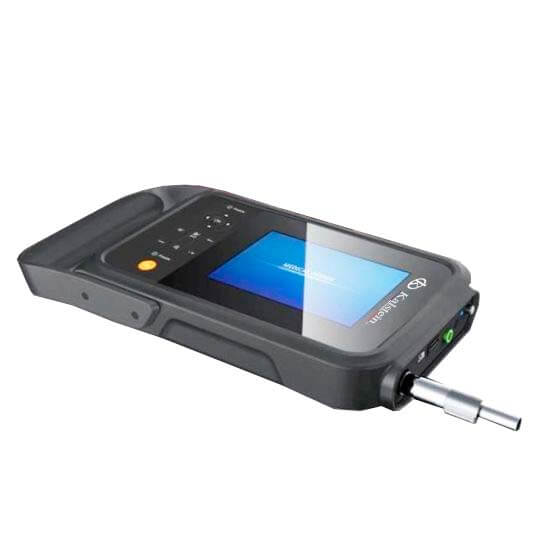
Predictive Maintenance and Recommended Calibration for Ultrasonic Diagnostic Equipment
In the realm of ultrasonic diagnostic equipment, effective predictive maintenance and regular calibration are critical for ensuring optimal performance and compliance with industry standards. As laboratories and veterinary practices increasingly rely on this technology for precise diagnostics, understanding the maintenance requirements and calibration schedules becomes paramount. This article will provide a comprehensive overview of predictive maintenance strategies and calibration protocols specifically tailored for ultrasonic diagnostic equipment, enhancing the reliability and efficiency of operations.
Understanding Predictive Maintenance in Ultrasonic Diagnostic Equipment
Predictive maintenance involves monitoring the condition of equipment to predict when maintenance should be performed. This approach not only reduces the likelihood of equipment failures but also minimizes downtime and operational costs. In ultrasonic diagnostic equipment, key indicators such as performance metrics, error rates, and operational cycles can be tracked to inform maintenance schedules. Implementing a robust predictive maintenance strategy requires understanding the specific needs of each model, such as the YR05146 and YR05147, which are designed for diverse applications in the veterinary field.
Importance of Regular Calibration for Ultrasonic Diagnostic Equipment
Calibration is essential for ensuring accurate measurements and consistent performance. The ultrasonic diagnostic equipment must be calibrated periodically to meet regulatory standards and maintain accuracy. For instance, the YR05146 offers high-resolution imaging capabilities, and its performance is contingent on regular calibration to ensure that outputs remain reliable. Calibration should be conducted in accordance with manufacturer recommendations, taking into account factors such as usage frequency and environmental conditions.
Predictive Maintenance Strategies for Ultrasonic Diagnostic Equipment
To implement effective predictive maintenance for ultrasonic diagnostic equipment, laboratories should consider the following strategies:
- Data Monitoring: Regularly collect and analyze data from the equipment to identify performance trends and potential issues.
- Condition-Based Maintenance: Schedule maintenance based on the actual condition of the equipment rather than a predetermined schedule.
- Training and Awareness: Ensure that staff are trained to recognize signs of wear or malfunction, enabling timely intervention.
For example, the YR05147 model, which features integrated 3D ultrasound capabilities, requires operators to be vigilant about maintenance to maintain imaging quality.
Calibration Intervals and Recommended Practices
Establishing appropriate calibration intervals is critical to maintain the accuracy of ultrasonic diagnostic equipment. Calibration should be performed at the following intervals:
- Daily: Ensure basic functionality checks and accuracy of imaging output.
- Monthly: Perform thorough calibration checks, especially for high-use equipment.
- Yearly: Conduct comprehensive calibration and documentation to comply with industry standards.
For instance, the YR05155 model, when calibrated according to these intervals, ensures consistent performance, thus extending its lifespan and reliability.
Comparison of Available Models
| Model | Weight (kg) | Price (USD) | Calibration Needs | Best For |
|---|---|---|---|---|
| YR05146 | 0.5 | 850.00 | Monthly | Veterinary applications |
| YR05147 | N/A | 1150.00 | Monthly | Obstetric & GYN diagnostics |
| YR05154 | N/A | 850.00 | Daily | General diagnostics |
| YR05155 | N/A | 950.00 | Yearly | Specialized imaging |
Common Mistakes and How to Avoid Them
In the context of predictive maintenance and calibration for ultrasonic diagnostic equipment, several common mistakes can lead to operational inefficiencies:
- Neglecting Regular Checks: Skipping routine checks can lead to unexpected equipment failures. Establish a strict maintenance schedule.
- Ignoring Manufacturer Guidelines: Each model has specific calibration requirements. Always refer to the user manual for proper procedures.
- Inadequate Training: Staff should be well-trained to handle equipment and recognize signs of malfunction.
By avoiding these pitfalls, laboratories can enhance the reliability of their ultrasonic diagnostic equipment.
Frequently Asked Questions
How often should ultrasonic diagnostic equipment be calibrated for accurate results?
Ultrasonic diagnostic equipment like the YR05146 should ideally be calibrated monthly to ensure accurate imaging and compliance with industry standards. Regular calibration minimizes errors and maintains the quality of diagnostic outputs.
What are the benefits of predictive maintenance for ultrasonic diagnostic devices?
Predictive maintenance significantly reduces downtime and unexpected costs. By regularly monitoring the YR05147, laboratories can anticipate maintenance needs and improve operational efficiency, ultimately leading to better patient outcomes.
Which calibration standards apply to ultrasonic diagnostic equipment in laboratories?
Ultrasonic diagnostic equipment must comply with several calibration standards, including ISO 17025. Adhering to these ensures that devices like the YR05155 consistently deliver accurate results, essential for reliable diagnostics.
How can a lab ensure compliance with maintenance schedules for ultrasonic devices?
Establishing a detailed maintenance log and following a strict schedule can help laboratories remain compliant. Models like the YR05154 require documentation of all maintenance activities to uphold accuracy and regulatory standards.
What are common issues faced during the calibration of ultrasonic diagnostic equipment?
Common calibration issues include drift in measurement accuracy or failure to meet standard specifications. Regularly calibrating models such as the YR05146 can mitigate these problems and ensure high-quality diagnostic results.
How does predictive maintenance reduce costs in ultrasound diagnostics?
Predictive maintenance reduces costs by preventing unexpected failures and optimizing maintenance schedules. For example, by monitoring the YR05147 regularly, labs can plan for maintenance during low-usage periods, reducing operational disruptions.
What specific features should be inspected during the calibration of ultrasonic equipment?
During calibration, focus on imaging accuracy, probe functionality, and software performance. For instance, the YR05155's software should be checked to ensure it operates smoothly and delivers reliable diagnostic outputs.
What tools are recommended for maintaining ultrasonic diagnostic equipment?
Recommended tools include digital calipers for measurements, software for diagnostics, and maintenance logs. Utilizing these tools helps ensure that models like the YR05154 maintain optimal performance through regular checks.
If you are looking for a fusion of innovation and quality, you have come to the right place. At Kalstein, we offer you the luxury of exploring our exclusive catalog of laboratory equipment. We manufacture every device to the highest standards of excellence. Our intuitive and seamless online purchasing channels are designed for your convenience, securing the most competitive prices. Hesitate no longer — we bring science to life, it is time to become part of our community.