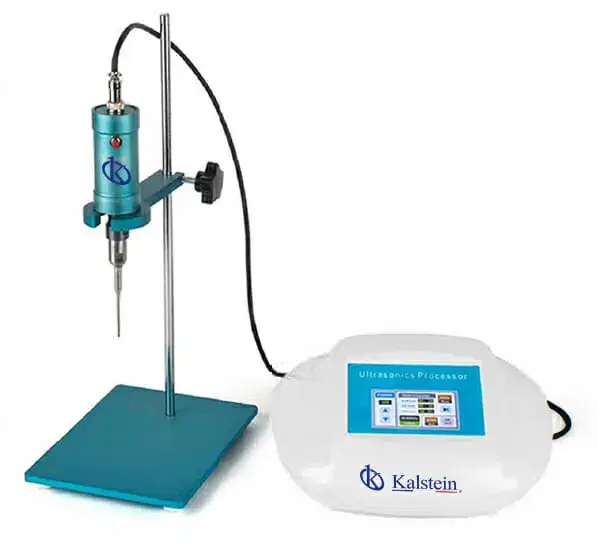
How to Implement Predictive Maintenance and Recommended Calibration for Ultrasonic Homogenizers
Ultrasonic homogenizers are crucial tools in laboratories for various applications ranging from cell disruption to emulsification. Understanding how to implement predictive maintenance and calibration for these devices can significantly enhance their performance, reliability, and lifespan. This article delves into various aspects of predictive maintenance, the importance of calibration, and how specific models can meet your laboratory needs.
Understanding Predictive Maintenance for Ultrasonic Homogenizers
Predictive maintenance refers to the use of data-driven insights to predict and prevent equipment failures before they occur. Ultrasonic homogenizers, like the YR05829 and YR05830, can benefit significantly from this approach. By monitoring the equipment's condition using advanced sensors, laboratories can gather valuable data regarding vibration, temperature, and operational hours, translating this into actionable insights that can prevent costly downtime.
Predictive maintenance not only helps in extending the life of the ultrasonic homogenizers but also optimizes their performance. For instance, ultrasonic homogenizers that are regularly monitored and maintained can provide consistent results in emulsification and cell disruption, crucial for experiments requiring precision.
The Importance of Calibration in Ultrasonic Homogenizers
Calibration is vital in any laboratory setting to ensure the accuracy and reliability of results. Ultrasonic homogenizers, such as the YR05831, require periodic calibration to maintain consistent output and performance. Calibration involves adjusting the device to meet specific standards, ensuring that it operates within the desired parameters.
Regular calibration not only helps in achieving high-quality results but also complies with industry standards and regulations. For laboratories that adhere to ISO 17025, maintaining a stringent calibration protocol for devices like ultrasonic homogenizers is essential for accreditation and operational excellence.
Recommended Calibration Intervals
Determining the right calibration interval for ultrasonic homogenizers is crucial for maintaining optimal performance levels. Calibration intervals can be influenced by usage frequency, the complexity of applications, and manufacturer recommendations. For example, ultrasonic homogenizers operating continuously or in critical applications should be calibrated more frequently than those used sporadically.
As a general guideline, a recommended calibration interval for ultrasonic homogenizers is every 6 months for regular use, but this can be adjusted based on operational demands. Laboratories should also maintain a calibration log to document each session, facilitating traceability and compliance with regulatory standards.
Common Failure Modes in Ultrasonic Homogenizers
Understanding potential failure modes in ultrasonic homogenizers is essential in implementing an effective predictive maintenance strategy. Key failure modes include:
- Transducer deterioration: Continuous operation can lead to wear and tear of the ultrasonic transducer. Regular checks can help detect issues early.
- Generator malfunctions: The power generator may fail to deliver consistent energy, affecting homogenization quality. Monitoring performance metrics can signal pending issues.
- Physical wear: Components such as probes may become damaged over time due to chemical exposure or physical stress.
By being aware of these potential issues, laboratory personnel can take proactive measures to mitigate risks, ensuring consistent and reliable performance from models like the YR05832.
Best Practices for Predictive Maintenance
Implementing best practices for predictive maintenance involves several key strategies:
- Regular Performance Monitoring: Utilize specialized software or manual logs to track equipment performance and identify trends that may indicate underlying issues.
- Scheduled Maintenance: Establish a routine maintenance schedule that includes inspections and cleaning of the ultrasonic homogenizer to prevent build-up and prolong its lifespan.
- Training for Personnel: Ensure that all lab personnel are trained in proper use and maintenance protocols to minimize user error.
These best practices can extend the operational life of ultrasonic homogenizers and improve overall laboratory efficiency.
Comparison of Available Models
| Model Code | Power (W) | Frequency (KHz) | Recommended Calibration Interval | Best For |
|---|---|---|---|---|
| YR05829 | 5-150 | 19-25 | 6 months | General laboratory applications |
| YR05830 | 5-250 | 19-25 | 6 months | High-throughput emulsification |
| YR05831 | 5-400 | 19-25 | 6 months | Cell disruption and homogenization |
| YR05832 | 650 | 20-25 | 6 months | Specialized research applications |
Common Mistakes and How to Avoid Them
Many laboratories make mistakes regarding the maintenance and calibration of ultrasonic homogenizers, leading to inefficiencies and compromised results. Some common pitfalls include:
- Neglecting Regular Maintenance: Skipping routine checks can lead to unexpected failures. Laboratories should implement a strict maintenance schedule.
- Ignoring Calibration Logs: Failing to document calibration activities can result in non-compliance with regulatory standards like ISO 17025.
- Using Incompatible Probes: Each model has specific probe requirements. Using the wrong one can affect performance and damage the equipment.
By avoiding these mistakes, laboratories can ensure their ultrasonic homogenizers operate at peak efficiency and deliver accurate results.
Frequently Asked Questions
What is the best ultrasonic homogenizer model for predictive maintenance in labs?
The YR05831 model is highly effective for predictive maintenance due to its advanced monitoring capabilities and high power output, suitable for various laboratory applications.
How often should I calibrate my ultrasonic homogenizer for optimal performance?
It is recommended to calibrate ultrasonic homogenizers like the YR05830 every 6 months to maintain optimal performance and compliance with industry standards.
What are the key benefits of predictive maintenance for ultrasonic homogenizers?
Implementing predictive maintenance for models such as the YR05829 helps prevent unexpected failures, extends the equipment's lifespan, and ensures consistent quality in laboratory results.
Which calibration standards should I follow for ultrasonic homogenizers?
For ultrasonic homogenizers, adherence to ISO 17025 standards is essential for ensuring calibration accuracy and compliance, particularly for models like YR05832.
What precautions should be taken during the calibration of ultrasonic homogenizers?
When calibrating models like YR05831, ensure that all probes are compatible and that environmental conditions remain stable to avoid skewed results.
How can I track the performance of my ultrasonic homogenizer?
Monitoring performance metrics for ultrasonic homogenizers such as the YR05830 can be accomplished through data logging and software solutions that track operational parameters over time.
What are common troubleshooting steps for ultrasonic homogenizers?
Common troubleshooting for ultrasonic homogenizers includes checking power supply connections, ensuring correct probe installation, and reviewing maintenance logs for missed intervals.
What is the cost of implementing predictive maintenance for ultrasonic homogenizers?
The cost of implementing predictive maintenance for ultrasonic homogenizers like the YR05829 can vary, but it typically includes software solutions, training, and potentially enhanced monitoring equipment.
If you are looking for a fusion of innovation and quality, you have come to the right place. At Kalstein, we offer you the luxury of exploring our exclusive catalog of laboratory equipment. We manufacture every device to the highest standards of excellence. Our intuitive and seamless online purchasing channels are designed for your convenience, securing the most competitive prices. Hesitate no longer — we bring science to life, it is time to become part of our community.