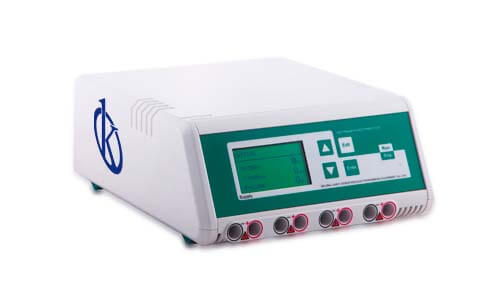
How to Implement Predictive Maintenance and Recommended Calibration for Universal Power Supplies
Universal power supplies are essential components in various laboratory settings, providing reliable power for numerous applications. To maximize their efficiency and lifespan, implementing predictive maintenance and adhering to a recommended calibration schedule is critical. This article explores the importance of these practices, discusses relevant standards, and compares different models in the universal power supply category.
The Importance of Predictive Maintenance in Universal Power Supplies
Predictive maintenance involves monitoring the operational health of equipment to predict failures before they occur. This proactive approach reduces downtime, extends the life of equipment, and can significantly lower maintenance costs. In the context of universal power supplies, it ensures consistent performance and prevents disruptions in laboratory operations.
Key Benefits of Predictive Maintenance
1. **Reduced Downtime**: By predicting potential failures, laboratories can schedule maintenance during off-peak hours, minimizing disruption. 2. **Cost Savings**: Regular monitoring can prevent costly repairs associated with unexpected breakdowns. 3. **Improved Efficiency**: Well-maintained power supplies operate more efficiently, saving energy and enhancing performance.
Recommended Calibration Practices for Universal Power Supplies
Calibration is the process of verifying that an instrument's measurements are accurate by comparing them to known standards. Regular calibration in universal power supplies ensures that voltage and current outputs are within specified tolerances, crucial for precise laboratory work.
Calibration Standards and Intervals
Calibration standards dictate how frequently devices should be calibrated. For universal power supplies, a recommended calibration interval is typically six months, although this may vary based on usage and environmental conditions. Adhering to standards such as ISO 17025 ensures that calibration processes are rigorous and traceable.
Calibration Checklist for Universal Power Supplies
| Calibration Step | Details | Frequency |
|---|---|---|
| Visual Inspection | Check for physical damage and clean connections. | Monthly |
| Functional Testing | Verify output voltage and current against standards. | Every six months |
| Documentation Review | Ensure calibration records are up-to-date and accessible. | Annually |
Comparison of Available Models
| Model | Output Range (V/mA/W) | Calibration Features | Best For |
|---|---|---|---|
| YR03400-2 | 10–600 V, 1–500 mA, 1–300 W | Automatic detection of failures | Electrophoresis |
| YR03396-2 | 5–300 V, 1–400 mA, 1–120 W | Step control operation | General laboratory use |
| YR03395-2 | 5–200 V, 1–2000 mA, 1–200 W | Memory function for methods | High current applications |
| YR03397-2 | 5–300 V, 1–1500 mA, 1–450 W | Real-time tuning control | Flexibility in experiments |
| YR03398-2 | 10–600 V, 1–500 mA, 1–300 W | Multiple storage methods | Complex experiments |
| YR03399-2 | 10–600 V, 1–500 mA, 1–300 W | Editing capability for operations | Advanced laboratory applications |
Common Mistakes and How to Avoid Them
1. **Ignoring Maintenance Schedules**: Neglecting regular maintenance can lead to unexpected failures. Establish a strict schedule based on usage and model specifications. 2. **Inadequate Documentation**: Failing to maintain accurate records of calibrations and maintenance can complicate compliance with standards. Use a centralized digital system for tracking. 3. **Overlooking Calibration**: Skipping regular calibration checks can result in inaccurate measurements. Commit to a routine based on the recommendations outlined.
Frequently Asked Questions
What are the typical calibration intervals for universal power supplies?
Calibration intervals for universal power supplies are typically recommended every six months. Regular calibration ensures that models like the YR03400-2 maintain accuracy and compliance with standards such as ISO 17025.
How can predictive maintenance benefit laboratory operations for power supplies?
Predictive maintenance can significantly benefit laboratory operations by minimizing downtime and reducing unexpected repair costs. For example, using the YR03397-2 model, you can implement monitoring setups that notify you of potential failures ahead of time.
What features should I look for in a universal power supply for calibration purposes?
When selecting a universal power supply, look for models with features like automatic failure detection and memory functions. Models such as the YR03395-2 provide comprehensive functionalities that aid in calibration and ensure accurate output delivery.
How do I ensure compliance with ISO standards when using universal power supplies?
To ensure compliance with ISO standards when using universal power supplies, maintain detailed calibration records, follow recommended calibration intervals, and choose models such as the YR03400-2 that support automatic failure detection and traceability.
Can predictive maintenance reduce overall operating costs in laboratories?
Yes, predictive maintenance can reduce overall operating costs by preventing unexpected breakdowns and optimizing power supply usage. Implementing such strategies with models like the YR03398-2 can lead to significant savings in a laboratory setting.
What are the best practices for documenting calibration records for power supplies?
Best practices for documenting calibration records include consistently logging calibration dates, results, and any actions taken. Utilizing models like the YR03400-2, which have built-in data logging, can simplify this process significantly.
What factors influence the choice of a universal power supply in a laboratory?
Factors influencing the choice of a universal power supply include the required output range, calibration features, and specific laboratory applications. Models such as the YR03396-2 are suitable for versatile laboratory tasks with their wide output range and programmable features.
How often should visual inspections be performed on universal power supplies?
Visual inspections of universal power supplies should ideally be performed monthly to check for physical damage and ensure all connections are clean and secure, thereby maintaining optimal functionality.
If you are looking for a fusion of innovation and quality, you have come to the right place. At Kalstein, we offer you the luxury of exploring our exclusive catalog of laboratory equipment. We manufacture every device to the highest standards of excellence. Our intuitive and seamless online purchasing channels are designed for your convenience, securing the most competitive prices. Hesitate no longer — we bring science to life, it is time to become part of our community.