Predictive Maintenance and Recommended Calibration for Veterinary Laparoscopy Systems
Veterinary laparoscopy systems are pivotal in modern surgical practices, allowing for minimally invasive procedures that enhance recovery times for animals. As technology advances, understanding the critical aspects of predictive maintenance and recommended calibration becomes increasingly essential for veterinarians. This article delves into how these practices ensure optimum performance, reliability, and safety in various veterinary surgical applications.
Understanding Predictive Maintenance in Veterinary Laparoscopy
Predictive maintenance involves monitoring the condition of veterinary laparoscopy systems to predict when maintenance should be performed. This approach contrasts with traditional preventive maintenance, focusing on real-time data to minimize unexpected failures. Key metrics such as Mean Time Between Failures (MTBF) and Mean Time To Repair (MTTR) are crucial in assessing the maintenance needs of these systems.
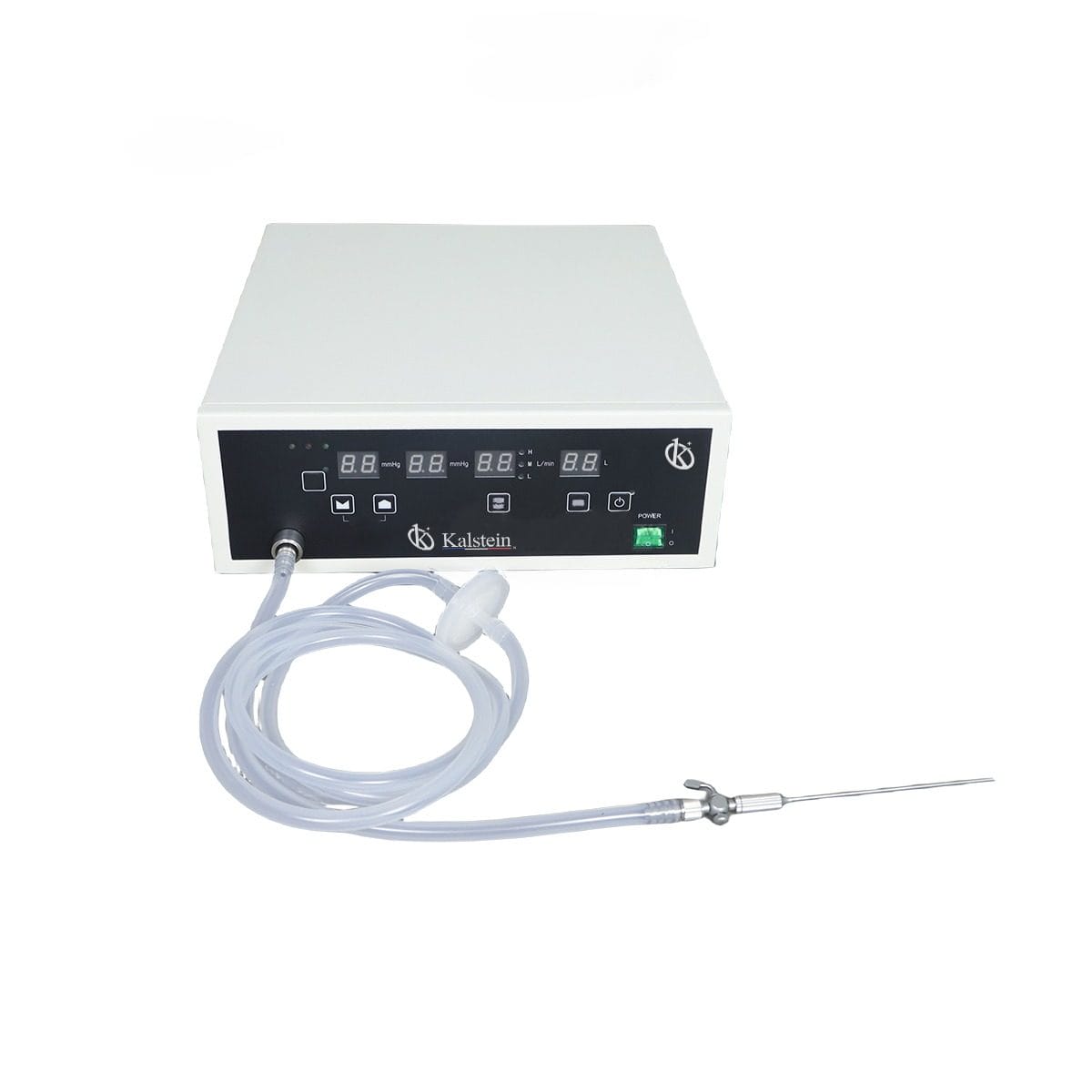
For instance, the Veterinary CO2 Insufflator YR06157 supports a maximum flow rate of 10L/min, making it ideal for small animals. Regular predictive maintenance can help ensure its functionality remains optimal, preventing delays during surgeries.
Importance of Calibration for Laparoscopy Systems
Calibration is essential in ensuring that veterinary laparoscopy equipment operates within specified parameters. Regular calibration of devices like the Mobile High-Definition Endoscopic Imaging System YR06156 ensures that imaging quality remains high, which is vital for accurate diagnoses and surgical procedures.
Inconsistent calibration can lead to significant discrepancies in performance. It is recommended that calibration schedules are established based on the frequency of use, environmental conditions, and specific operational demands.
Recommended Calibration Intervals for Veterinary Equipment
Establishing recommended calibration intervals is a fundamental aspect of maintaining veterinary laparoscopy systems. It is advised that calibration for devices such as the Veterinary CO2 Insufflator YR06158 occurs at least every six months. Furthermore, frequent inspections of the system’s integrity should be conducted, especially if the device is used daily.
| Model | Recommended Calibration Interval | Last Calibration Date | Next Calibration Due |
|---|---|---|---|
| YR06157 | 6 months | 01-2023 | 07-2023 |
| YR06156 | 6 months | 01-2023 | 07-2023 |
| YR06158 | 6 months | 01-2023 | 07-2023 |
Key Performance Indicators (KPIs) for Maintenance and Calibration
Establishing KPIs is essential for evaluating the effectiveness of maintenance and calibration strategies. Common KPIs in veterinary laparoscopy systems include:
- Mean Time Between Failures (MTBF): Indicates the average time between system failures.
- Mean Time To Repair (MTTR): Measures the average time taken to repair the system.
- Calibration Accuracy: Assesses the precision of the calibration over time.
These KPIs can help veterinary professionals gauge the reliability and efficiency of their equipment, leading to better patient outcomes.
Comparison of Available Models
| Model | Price (USD) | Best For | Flow Rate | Calibration Features |
|---|---|---|---|---|
| YR06157 | 1900.00 | Small animals | 4L/min, 6L/min, 10L/min | Automatic pressure alarm |
| YR06156 | 7700.00 | High-definition imaging | N/A | Integrated control methods |
| YR06158 | 3000.00 | General use | 2L/min - 40L/min | Touchscreen alarm features |
Common Mistakes and How to Avoid Them
In the realm of predictive maintenance and calibration, several common mistakes can hinder operational efficiency:
- Neglecting Regular Checks: Failing to conduct regular maintenance checks can lead to unexpected breakdowns.
- Ignoring Calibration Logs: Not maintaining thorough records of calibration can result in non-compliance with veterinary standards.
- Overlooking Performance Metrics: Ignoring key performance indicators can make it difficult to assess system effectiveness.
By being aware of these pitfalls, veterinary professionals can take proactive steps to ensure their equipment remains reliable and compliant.
Frequently Asked Questions
How often should veterinary laparoscopy systems be calibrated for accurate results?
Veterinary laparoscopy systems should be calibrated at least every six months to maintain accuracy. For example, the Veterinary CO2 Insufflator YR06158 benefits from this practice, ensuring reliable performance during minimally invasive surgeries.
What are the benefits of predictive maintenance for veterinary surgical equipment?
Predictive maintenance reduces unexpected failures, thereby minimizing downtime. Systems like the Mobile High-Definition Endoscopic Imaging System YR06156 can operate optimally, supporting efficient veterinary procedures.
Which veterinary laparoscopy model has the highest flow rate available?
The Veterinary CO2 Insufflator YR06158 offers an impressive flow rate of 2L/min to 40L/min, making it suitable for various veterinary applications that require substantial CO2 supply during laparoscopic surgeries.
What metrics should I track for effective calibration of veterinary equipment?
Key metrics for calibration include calibration accuracy, frequency of calibration, and device performance over time. Tracking these metrics for models like YR06157 helps ensure compliance and optimal functionality.
How can I ensure my veterinary laparoscopy systems are compliant with industry standards?
Regular calibration, thorough maintenance logs, and adherence to specified intervals are critical for compliance. Utilizing models such as the Mobile High-Definition Endoscopic Imaging System YR06156 will help maintain high standards in veterinary practices.
What is the cost of maintaining veterinary laparoscopy systems with predictive maintenance?
The cost varies based on usage and model. Predictive maintenance for the Veterinary CO2 Insufflator YR06157 can reduce operational disruptions, translating to cost savings in the long run.
How can I improve the lifespan of my veterinary laparoscopy equipment?
Implementing a regular maintenance schedule and timely calibration of models such as YR06158 can significantly enhance lifespan, ensuring reliable performance in your veterinary practice.
What role does calibration play in ensuring successful veterinary surgeries?
Calibration ensures that surgical equipment operates within specifications, which is crucial for successful outcomes. For example, properly calibrated systems like the YR06156 improve imaging quality, aiding in surgical precision.
If you are looking for a fusion of innovation and quality, you have come to the right place. At Kalstein, we offer you the luxury of exploring our exclusive catalog of laboratory equipment. We manufacture every device to the highest standards of excellence. Our intuitive and seamless online purchasing channels are designed for your convenience, securing the most competitive prices. Hesitate no longer — we bring science to life, it is time to become part of our community.