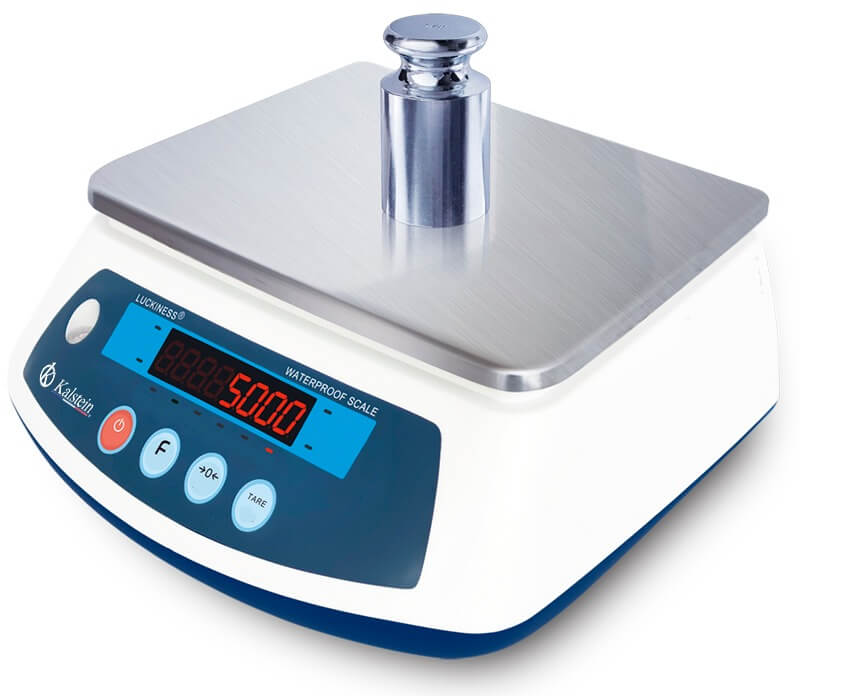
How to Ensure Predictive Maintenance and Recommended Calibration for Waterproof Balances
Waterproof balances are crucial in laboratory settings where moisture and spills are common. Ensuring their proper maintenance and calibration is essential for consistent performance and accurate measurements. This article delves into predictive maintenance strategies and recommended calibration practices tailored for waterproof balances, with a focus on specific models and their compliance with industry standards.
Understanding Predictive Maintenance for Waterproof Balances
Predictive maintenance involves monitoring the condition of equipment in real-time to predict when maintenance should be performed. This strategy minimizes unexpected failures and maximizes equipment life. For waterproof balances, predictive maintenance can include:
- Regularly checking the balance's performance metrics
- Monitoring environmental factors like humidity and temperature
- Utilizing software tools for performance tracking
Recommended Calibration Practices for Waterproof Balances
Calibration is vital to ensure that waterproof balances deliver accurate results. The process involves comparing the balance's measurements against a known standard. Recommended practices include:
- Establishing a calibration schedule based on usage frequency and environmental conditions
- Using traceable standards that comply with national and international regulations
- Documenting calibration results and adjustments for compliance and traceability
Common Calibration Standards and Their Importance
Calibration standards like ISO 17025 provide guidelines to ensure consistent quality in testing and calibration laboratories. For waterproof balances, adhering to these standards is crucial for:
- Assuring accuracy in measurements
- Enhancing laboratory reputation
- Facilitating international trade and compliance
Comparison of Available Models
| Model | Capacity (kg) | Readability (g) | Price (USD) | Best for |
|---|---|---|---|---|
| YR05623 | 3 | 0.1 | 105.00 | Precision in small weight measurements |
| YR05624 | 6 | 0.5 | 95.00 | General lab usage |
| YR05625 | 7.5 | 1 | 95.00 | Medium weight measurements |
| YR05626 | 15 | 1 | 95.00 | Heavy samples in labs |
| YR05627 | 30 | 5 | 95.00 | High capacity needs |
| YR05628 | 30 | 5 | 95.00 | Robust lab environments |
Integrating Predictive Maintenance into Daily Operations
To effectively implement predictive maintenance for waterproof balances, consider the following steps:
- Train staff on the importance of maintenance and calibration
- Utilize monitoring tools that provide real-time data on balance performance
- Regularly update maintenance logs and calibration records
The Role of Environmental Factors in Maintenance
Environmental conditions significantly impact the performance of waterproof balances. Factors such as humidity, temperature, and exposure to chemicals can affect measurement accuracy. To mitigate these issues:
- Ensure the laboratory environment meets the specifications for the balance models being used
- Utilize dehumidifiers or climate control systems to maintain stable conditions
- Regularly inspect the balances for any signs of wear or damage
Common Mistakes and How to Avoid Them
Laboratories often make common mistakes that can compromise the performance of waterproof balances. Here are key mistakes and ways to avoid them:
- Neglecting Regular Calibration: Schedule calibration checks routinely based on usage.
- Ignoring Environmental Controls: Monitor and control humidity and temperature to prevent measurement errors.
- Inadequate Staff Training: Ensure all staff are trained on proper usage and maintenance.
Frequently Asked Questions
How does predictive maintenance improve the lifespan of waterproof balances?
Predictive maintenance helps identify potential issues before they become critical, thereby extending the lifespan of waterproof balances like the YR05623. Regular checks ensure that any wear and tear is addressed promptly, maintaining optimal operation.
What is the recommended calibration frequency for waterproof balances in laboratories?
It is recommended to calibrate waterproof balances such as the YR05624 at least once every three months, or more frequently based on usage and environmental conditions. This practice ensures compliance with ISO standards.
How can I determine the best waterproof balance model for my laboratory needs?
The best waterproof balance model depends on your specific requirements regarding capacity and readability. For instance, the YR05627 is optimal for high-capacity needs, while the YR05625 suits medium weight measurements.
Which regulatory standards should waterproof balances comply with in laboratories?
Waterproof balances should comply with ISO 17025 among other standards. Models like YR05628 are designed to meet these regulatory requirements, ensuring accuracy and reliability in laboratory settings.
How can environmental factors affect the accuracy of waterproof balances?
Humidity and temperature can significantly impact the accuracy of waterproof balances. For example, improper storage conditions can lead to measurement errors, necessitating a controlled environment for models like YR05626.
What are the key components of an effective calibration plan for waterproof balances?
An effective calibration plan includes establishing a schedule, using traceable standards, and documenting results. This is crucial for maintaining the reliability of models like YR05623.
How does regular maintenance influence the performance of waterproof balances?
Regular maintenance, including predictive strategies, ensures that waterproof balances operate efficiently, maintaining accuracy and preventing unexpected failures. Balances such as the YR05624 benefit significantly from this practice.
What documentation is necessary for calibration compliance in laboratories?
Documentation for calibration compliance should include calibration records, maintenance logs, and compliance with standards such as ISO 17025. This is essential for models like YR05627 to demonstrate reliability.
If you are looking for a fusion of innovation and quality, you have come to the right place. At Kalstein, we offer you the luxury of exploring our exclusive catalog of laboratory equipment. We manufacture every device to the highest standards of excellence. Our intuitive and seamless online purchasing channels are designed for your convenience, securing the most competitive prices. Hesitate no longer — we bring science to life, it is time to become part of our community.