How Predictive Maintenance and Periodic Calibration Enhance Histopathology Lab Efficiency
In the field of histopathology, maintaining the performance and reliability of laboratory equipment is crucial. Predictive maintenance and periodic calibration serve as essential strategies to ensure that histopathology labs operate at peak efficiency while minimizing errors and downtime. This article focuses on how these practices can improve lab operations, highlighting various models within the Histopathology Accessories And Consumables Package.
Understanding Predictive Maintenance in Histopathology Labs
Predictive maintenance involves using data and analytics to anticipate equipment failures before they occur. This approach enables histopathology laboratories to schedule maintenance during non-peak hours, thus reducing operational disruptions. Key indicators such as device performance, operational hours, and maintenance history are monitored to inform maintenance schedules.
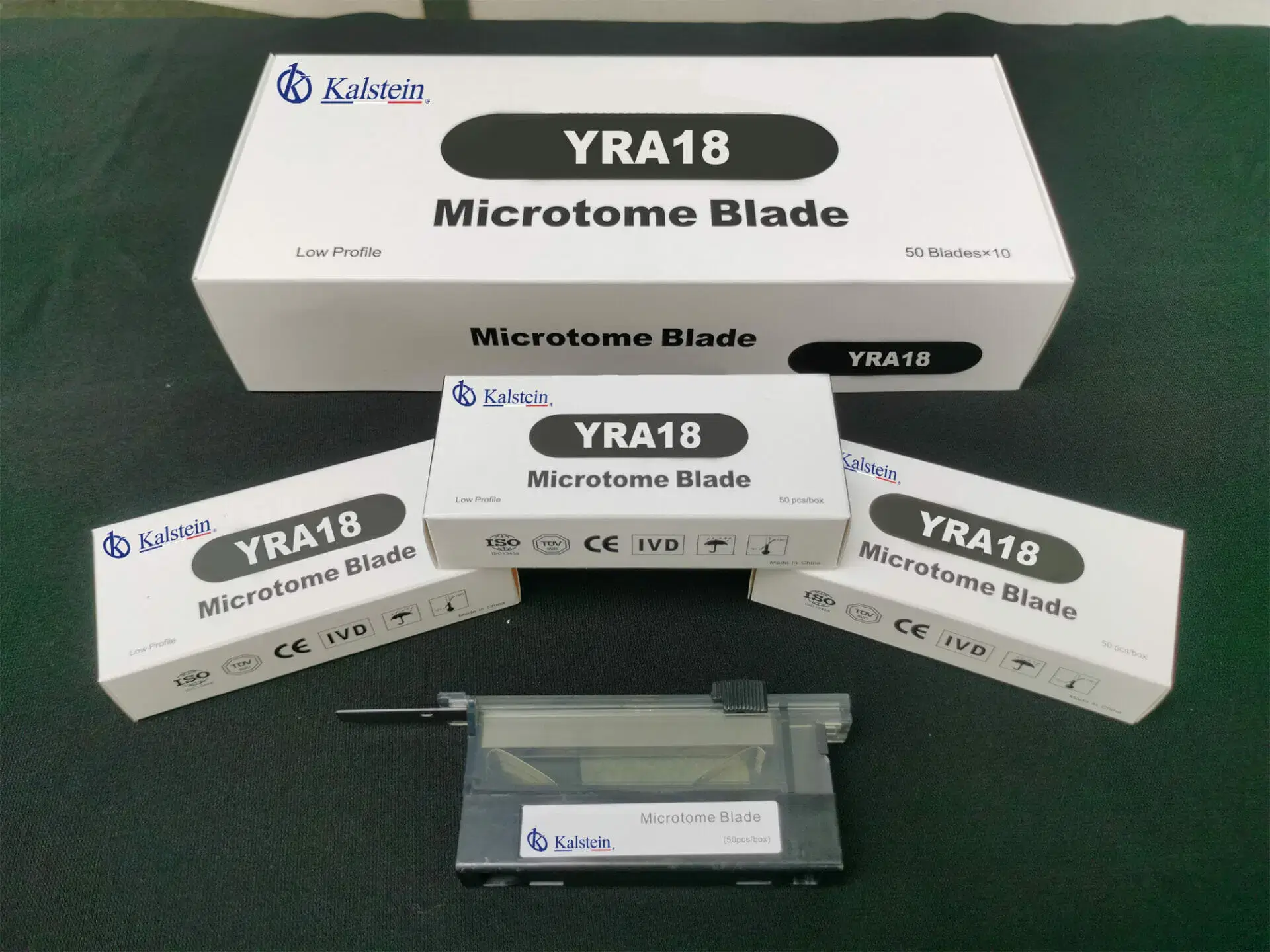
Implementing predictive maintenance enhances sample processing efficiency, ultimately supporting faster turnaround times for histopathological analyses. For instance, using models like the Disposable Microtome Blade (Low Profile) YRA18-1 allows for sharper cuts and less wear on blades, thus requiring less frequent maintenance and calibration.
The Role of Periodic Calibration in Equipment Performance
Periodic calibration is vital for ensuring that laboratory equipment maintains accuracy and reliability. Calibration involves comparing the output of a device to a known standard and making necessary adjustments. For histopathology tools, this is critical, as inaccuracies can lead to misdiagnoses or ineffective treatments.
For example, regular calibration of the Tissue Embedding Cassette YRA20-1 ensures that embedding processes conform to the required standards, which is essential for producing high-quality tissue samples. Calibration intervals should be determined based on usage frequency and manufacturer recommendations to maintain optimal performance.
Benefits of Combining Predictive Maintenance and Calibration
Integrating predictive maintenance with periodic calibration offers comprehensive benefits. This combination minimizes downtime while ensuring that equipment operates within specified parameters. Moreover, predictive analytics can signal when specific models, such as the Disposable Microtome Blade (High Profile) YRA19-1, may require recalibration, thereby streamlining the overall workflow.
By effectively managing both practices, laboratories can enhance their operational efficiency, reduce costs associated with unexpected equipment failures, and improve the accuracy of histopathological analyses.
Comparison of Available Models
| Model | Best Use Case | Recommended Calibration Frequency | Impact on Efficiency |
|---|---|---|---|
| YRA18-1 | Disposable microtome blade (Low Profile) | Monthly | Improves cutting precision, reduces repair costs |
| YRA19-1 | Disposable microtome blade (High Profile) | Monthly | Enhances sample processing speed, reduces errors |
| YRA20-1 | Tissue embedding cassette | Quarterly | Ensures specimen integrity, minimizes processing time |
| YRA21-1 | Plastic cassette with plastic cover | Biannually | Prevents sample contamination, enhances longevity |
| YRA33-2 | Paraffin block | Quarterly | Supports high-quality embedding, reduces material waste |
| YRA33-3 | Granular paraffin | Quarterly | Improves sample consistency, supports workflow efficiency |
Common Mistakes and How to Avoid Them
Laboratories often make several mistakes regarding predictive maintenance and periodic calibration. One common error is neglecting to document maintenance and calibration activities. This can lead to a lack of traceability, complicating compliance with regulatory standards.
Another mistake is adhering to a one-size-fits-all calibration schedule instead of customizing it based on specific equipment usage. For example, while the Disposable Microtome Blade (High Profile) YRA19-1 may require different calibration frequencies than the Tissue Embedding Cassette YRA20-1, failing to adjust schedules can compromise overall efficiency.
Frequently Asked Questions
How does predictive maintenance enhance histopathology lab efficiency for equipment?
Predictive maintenance optimizes equipment performance by anticipating potential failures before they occur, thereby minimizing downtime. For instance, the Disposable Microtome Blade (Low Profile) YRA18-1 benefits from predictive maintenance through enhanced cutting efficiency and reduced maintenance frequency.
What is the recommended calibration frequency for histopathology consumables?
The recommended calibration frequency varies by model and usage. For example, the Tissue Embedding Cassette YRA20-1 should be calibrated quarterly to ensure high-quality sample processing and compliance with laboratory standards.
Which models are best suited for minimizing errors in histopathology labs?
Models like the Disposable Microtome Blade (High Profile) YRA19-1 are designed to enhance cutting precision, reducing errors during sample preparation. Proper calibration and maintenance further optimize their performance in histopathology labs.
What are common pitfalls in implementing predictive maintenance in labs?
Common pitfalls include inadequate documentation of maintenance activities and failing to customize calibration schedules. For example, not differentiating calibration intervals between models such as the YRA21-1 and YRA33-2 can lead to inefficiencies and errors.
How can regular calibration affect the quality of histopathology samples?
Regular calibration ensures that equipment, like the Granular Paraffin YRA33-3, operates within specified parameters, thus maintaining the quality of histopathology samples and preventing misdiagnoses.
What benefits do histopathology labs gain from efficient maintenance strategies?
Efficient maintenance strategies, including predictive approaches, lead to lower operational costs, reduced downtime, and improved sample integrity. Utilizing models like the YRA20-1 can further enhance laboratory performance.
How do calibration schedules differ between various histopathology models?
Calibration schedules differ based on usage and model specifications. For instance, the YRA18-1 may require monthly calibration, while the YRA21-1 can be calibrated biannually, reflecting different operational demands.
What is the impact of unplanned maintenance on histopathology workflows?
Unplanned maintenance can significantly disrupt histopathology workflows, leading to delayed results and increased costs. Predictive maintenance strategies can help avoid such disruptions, particularly for models like the YRA19-1, which are essential for efficient sample preparation.
If you are looking for a fusion of innovation and quality, you have come to the right place. At Kalstein, we offer you the luxury of exploring our exclusive catalog of laboratory equipment. We manufacture every device to the highest standards of excellence. Our intuitive and seamless online purchasing channels are designed for your convenience, securing the most competitive prices. Hesitate no longer — we bring science to life, it is time to become part of our community.