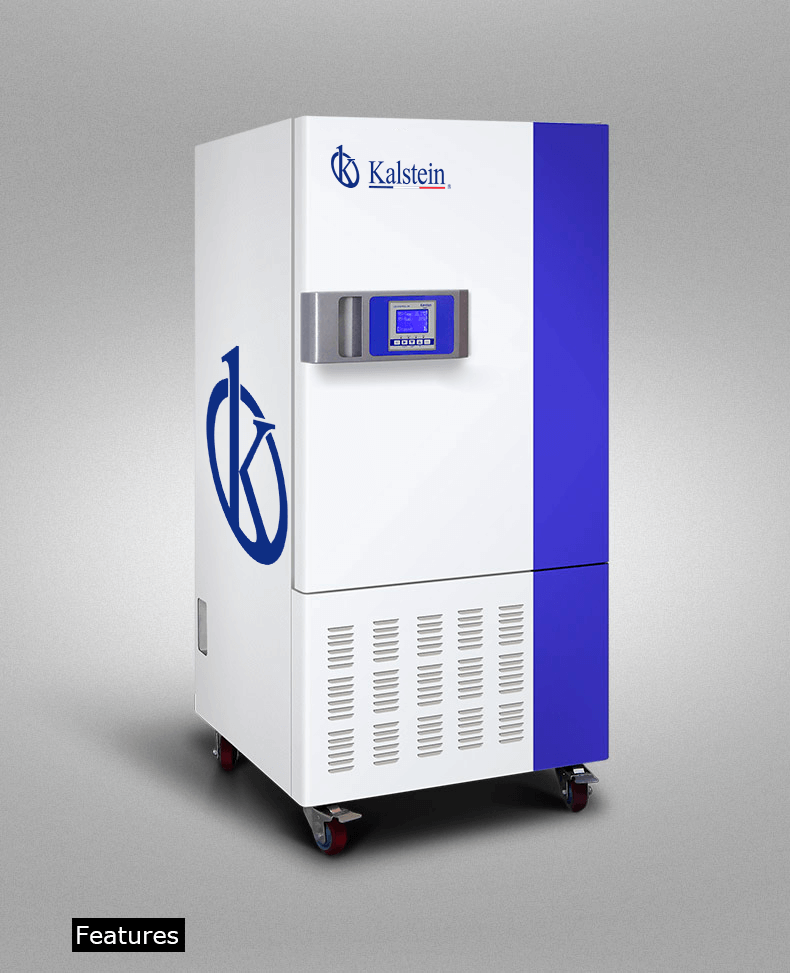
How Predictive Maintenance and Regular Calibration Enhance Illumination Drug Stability Testing
In the ever-evolving landscape of pharmaceutical laboratories, the precision and reliability of equipment are paramount. Specifically, illumination drug stability test chambers play a crucial role in evaluating the stability of pharmaceutical products under varying light conditions. However, to ensure these chambers function optimally, predictive maintenance and regular calibration are necessary. This article explores their importance, particularly focusing on models like the Strong Lighting Stability Test Chamber YR05353, YR05353-1, and YR05353-2.
Understanding Predictive Maintenance and Calibration
Predictive maintenance refers to the proactive approach to maintaining equipment by predicting when maintenance should be performed. This strategy relies on condition-monitoring tools and techniques to ensure optimal performance. Regular calibration, on the other hand, involves adjusting the equipment to meet specified standards, ensuring consistent and reliable results. Together, these practices enhance the longevity of illumination drug stability test chambers and align operational practices with regulatory requirements.
Benefits of Predictive Maintenance in Stability Testing
Implementing predictive maintenance strategies in illumination drug stability test chambers results in significant benefits, including reduced downtime, improved reliability, and enhanced compliance with regulatory standards. By utilizing predictive analytics, laboratories can anticipate potential failures, allowing for timely interventions. This ensures that models like the YR05353 series remain compliant with ISO 17025, which emphasizes the importance of maintaining equipment to ensure accurate results.
Key Predictive Maintenance Strategies
Effective predictive maintenance strategies include real-time monitoring of equipment performance, trend analysis, and scheduling maintenance based on data rather than arbitrary timelines. For instance, using condition-monitoring sensors can help track the operational efficiency of chambers like the Strong Lighting Stability Test Chamber YR05353, identifying anomalies before they result in significant issues.
Regular Calibration: A Regulatory Requirement
Calibration is not merely a best practice; it is a regulatory requirement that ensures equipment provides accurate and reliable results. For illumination drug stability test chambers, regular calibration against certified standards is essential. This practice is crucial for compliance with international standards such as ISO 17025, which mandates that laboratories demonstrate effective maintenance and calibration procedures.
Calibration Frequency and Best Practices
It is recommended that illumination drug stability test chambers undergo calibration at least annually. However, certain operational conditions may necessitate more frequent adjustments. For example, if a laboratory frequently operates close to the upper or lower limits of temperature ranges, as seen in the YR05353-1 model, more regular calibration checks are advisable to ensure the accuracy of test results.
Comparison of Available Models
| Model | Temperature Range (°C) | Price (USD) | Best For |
|---|---|---|---|
| YR05353 | 10~65 (with light) | 2620.00 | General stability testing |
| YR05353-1 | 10~65 (with light) | 3060.00 | Long-term stability evaluations |
| YR05353-2 | 10~65 (with light) | 4200.00 | Accelerated testing scenarios |
Common Mistakes and How to Avoid Them
Many laboratories overlook the significance of maintaining a rigorous calibration schedule and may rely on outdated practices. One common mistake is neglecting to document calibration results, which can lead to compliance issues with regulatory standards. To avoid such pitfalls, laboratories should establish a comprehensive maintenance log, ensuring all calibrations are tracked and documented. This practice not only aids in compliance but also enhances operational transparency.
Frequently Asked Questions
How can predictive maintenance improve the reliability of illumination drug stability test chambers?
Predictive maintenance enhances reliability by allowing laboratories to anticipate failures in models like the YR05353. By using data analytics to monitor performance, labs can schedule maintenance before issues arise, ensuring consistent operational efficiency.
What calibration protocols should be followed for illumination drug stability test chambers?
Calibration should follow ISO 17025 standards, ensuring that models like the YR05353-1 meet accuracy requirements. Regular checks should be documented, emphasizing temperature accuracy and environmental control.
How often should illumination drug stability test chambers be calibrated?
Typically, illumination drug stability test chambers should be calibrated at least once a year, or more frequently based on usage conditions. For example, the YR05353-2 may require more regular calibration if used under variable conditions.
What are the key features of the Strong Lighting Stability Test Chamber YR05353?
The YR05353 features a temperature range of 10-65°C with powerful lighting capabilities, making it ideal for comprehensive stability testing. Its automated defrost and energy-saving technology further enhance performance.
Which model is best for accelerated testing scenarios?
The YR05353-2 is recommended for accelerated testing scenarios due to its robust design and features that support rapid evaluations while ensuring reliable results.
What are the benefits of using condition-monitoring sensors in stability chambers?
Condition-monitoring sensors provide real-time data on performance, allowing for proactive maintenance in models like the YR05353. This technology helps in preventing unexpected failures and ensuring compliance with quality standards.
How can laboratories ensure compliance with regulatory standards while using illumination drug stability test chambers?
By implementing regular calibration and maintenance schedules, laboratories can ensure compliance with standards like ISO 17025. Documentation of all procedures is also crucial for regulatory adherence.
What investment should be expected for maintaining illumination drug stability test chambers?
Investment costs vary by model; for instance, the YR05353 is priced at $2620.00. Additionally, budgeting for annual calibration and maintenance services is essential to ensure long-term reliability.
If you are looking for a fusion of innovation and quality, you have come to the right place. At Kalstein, we offer you the luxury of exploring our exclusive catalog of laboratory equipment. We manufacture every device to the highest standards of excellence. Our intuitive and seamless online purchasing channels are designed for your convenience, securing the most competitive prices. Hesitate no longer — we bring science to life, it is time to become part of our community.