How to Implement Predictive Maintenance and Periodic Calibration for Laboratory Equipment
Effective maintenance and calibration of laboratory equipment are crucial for ensuring the accuracy and reliability of test results. This article provides an in-depth look at predictive maintenance and periodic calibration strategies specifically for laboratory environments.
Understanding Predictive Maintenance in Laboratory Settings
Predictive maintenance refers to the proactive approach of monitoring equipment performance and condition to predict when maintenance should be performed. By utilizing data from laboratory equipment, professionals can anticipate potential failures before they occur, thereby minimizing downtime. This method relies heavily on condition-monitoring tools and techniques.
Key elements of predictive maintenance include capturing real-time data, analyzing trends, and defining maintenance schedules based on actual equipment performance rather than arbitrary timelines. This strategy significantly reduces the likelihood of unexpected failures and extends the lifespan of the equipment.
Periodic Calibration: Importance and Best Practices
Periodic calibration is essential for maintaining the accuracy of laboratory instruments. It involves adjusting the instrument's performance to meet predetermined standards. Calibration ensures that the results produced by laboratory instruments are reliable and can be traced back to recognized standards.
The best practices for effective calibration include establishing a schedule based on the manufacturer’s recommendations, using calibrated reference materials, and documenting the calibration process meticulously. This documentation is crucial for compliance with regulatory standards.
Regulatory Compliance: Meeting Industry Standards
Laboratory equipment must meet various industry standards, such as ISO/IEC 17025, which outlines the general requirements for the competence of testing and calibration laboratories. Compliance with these standards is essential for ensuring the reliability and accuracy of laboratory results.
Predictive maintenance and periodic calibration are integral to meeting these regulatory standards. They help laboratories maintain quality control and ensure that their testing methods are validated and reliable.
Comparative Analysis of Laboratory Equipment Models
| Model Code | Description | Best Use Case |
|---|---|---|
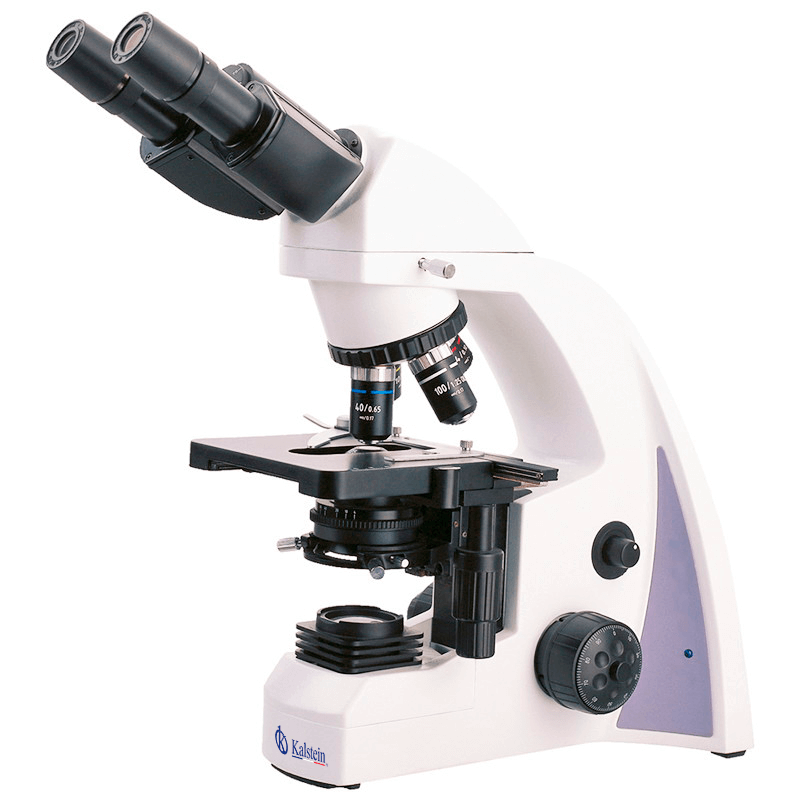
| YR0237-0-1 | Laboratory Microscope YR0237-0-1 with binocular head and adjustable condenser. | Ideal for routine laboratory inspections and analysis. |
| YR0237-1 | Laboratory Microscope YR0237-1 featuring a trinocular head and robust construction. | Best suited for advanced microscopy applications requiring extensive detail. |
| YR0237-1-1 | Laboratory Microscope YR0237-1-1 with enhanced optics and ergonomic design. | Excellent for long-duration usage in research settings. |
| YR03731-1 | Fluid Handling Pipettes YR03731-1, designed for precision in sample handling. | Optimal for laboratories requiring high accuracy in fluid measurement. |
| YR03731-2 | Fluid Handling Pipettes YR03731-2 with ergonomic design and sterilized construction. | Ideal for clinical laboratories focused on reducing cross-contamination. |
| YR03731-3 | Fluid Handling Pipettes YR03731-3 known for their low operational force and high precision. | Best for high-throughput laboratories needing reliable and easy-to-use pipettes. |
Common Mistakes and How to Avoid Them
Laboratory professionals often make common mistakes regarding predictive maintenance and calibration. One significant error is neglecting to document calibration procedures, which can lead to compliance issues during audits. Additionally, failing to train staff adequately on the importance of maintenance can result in equipment malfunction and inaccurate test results.
To avoid these mistakes, establish comprehensive training programs, ensure that all procedures are documented properly, and regularly review and update maintenance schedules based on equipment usage and industry standards.
Frequently Asked Questions
How does predictive maintenance enhance laboratory equipment reliability?
Predictive maintenance enhances reliability by using real-time data to forecast equipment failures. For instance, models like the YR0237-1 utilize advanced monitoring to predict when maintenance is necessary, reducing unexpected downtime and ensuring continuous operation.
What are the key elements of a successful calibration program for lab instruments?
A successful calibration program includes establishing a clear schedule, using certified reference materials, and maintaining thorough documentation. Instruments like the YR03731-1 require regular checks to ensure compliance with ISO standards, ensuring reliability in laboratory results.
Which regulations must laboratories comply with regarding equipment maintenance?
Laboratories must comply with regulations such as ISO/IEC 17025, which sets requirements for testing and calibration laboratories. Implementing predictive maintenance strategies with models like YR0237-0-1 can help meet these compliance standards effectively.
What are the benefits of using calibrated equipment in laboratory settings?
Using calibrated equipment ensures accuracy and reliability in test results, which is critical for laboratory operations. Models like the YR0237-1 provide enhanced reliability through regular calibration, helping laboratories maintain compliance with industry standards.
How often should laboratory equipment undergo calibration?
The frequency of calibration depends on the equipment's usage and manufacturer's recommendations. For instance, microscopes like the YR0237-0-1 should undergo calibration at regular intervals, ideally every six months, to maintain their accuracy.
What impact does predictive maintenance have on laboratory operational costs?
Predictive maintenance can significantly lower operational costs by reducing downtime and extending equipment lifespan. Implementing this strategy with models like YR03731-2 helps laboratories manage budgets more effectively by minimizing emergency repairs.
What strategies can be employed to ensure compliance with calibration standards?
Strategies to ensure compliance include maintaining detailed records of calibration procedures, training staff on best practices, and regularly reviewing equipment performance. Using reliable instruments such as YR03731-3 can facilitate adherence to these standards.
How do I choose the right model for predictive maintenance in my laboratory?
Choosing the right model depends on the specific laboratory needs, such as the type of analysis performed and the expected volume of samples. Models like the YR0237-1 are designed for advanced applications, making them suitable for labs requiring precision and reliability.
If you are looking for a fusion of innovation and quality, you have come to the right place. At Kalstein, we offer you the luxury of exploring our exclusive catalog of laboratory equipment. We manufacture every device to the highest standards of excellence. Our intuitive and seamless online purchasing channels are designed for your convenience, securing the most competitive prices. Hesitate no longer — we bring science to life, it is time to become part of our community.