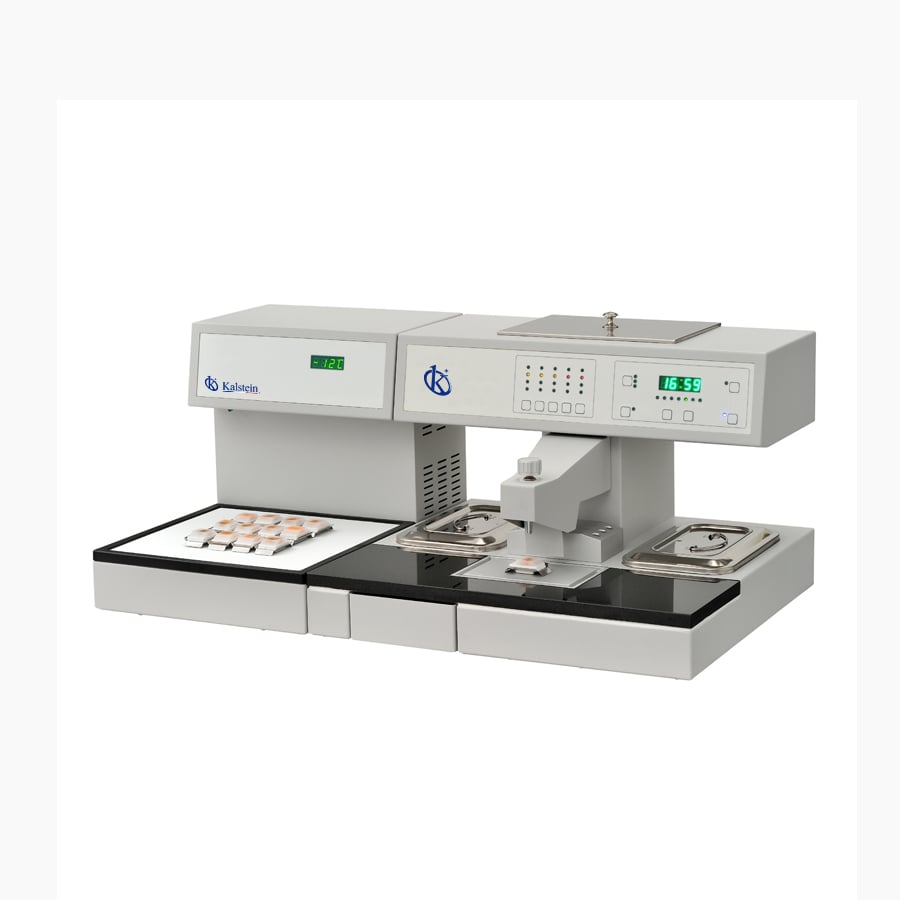
How Predictive Maintenance and Periodic Calibration Enhance Tissue Embedding Systems
Tissue embedding systems are crucial in histology and pathology laboratories, linking tissue processing and microscopic evaluation. These systems require regular maintenance and calibration to ensure optimal performance and compliance with industry standards. Predictive maintenance strategies and adherence to calibration schedules can significantly enhance the efficiency, reliability, and longevity of these laboratory instruments. This article delves into how these practices can boost tissue embedding systems' operational capacity while discussing different models available in the market.
Understanding Predictive Maintenance in Tissue Embedding Systems
Predictive maintenance involves using data-driven techniques to anticipate equipment failures before they happen. This approach is beneficial in tissue embedding systems, as it reduces downtime and extends the equipment's lifespan. By monitoring parameters such as temperature stability, mechanical wear, and electronic performance, technicians can address potential issues proactively. For instance, the Tissue Inclusion Center YR441 is designed with microprocessor-controlled temperature management, ensuring that any deviations can be logged and addressed before they impact performance.
Importance of Periodic Calibration
Calibration is essential for ensuring that tissue embedding systems operate within specified limits. Regular calibration maintains accuracy and reproducibility in the embedding process. Systems like the YR447 offer advanced calibration features that allow for automated adjustments, ensuring compliance with standards such as ISO 17025. This not only optimizes the embedding process but also guarantees the integrity of histological samples.
Regulatory Compliance and Standards Adherence
Laboratories must adhere to various standards such as ISO 17025, which requires strict controls over equipment and processes. Predictive maintenance and periodic calibration contribute to compliance by ensuring that all systems operate within specified limits. The YR445 model provides features that help laboratories document compliance effectively, including programmable operational hours and temperature controls.
Operational Efficiency through Predictive Strategies
Implementing predictive strategies leads to operational efficiencies in tissue embedding systems. For example, the YR439 model incorporates an intuitive control panel that enables easy scheduling of maintenance tasks. This feature helps streamline labor costs and ensures that the equipment is always ready for use, avoiding interruptions in workflow.
Comparison of Available Models
| Model | Temperature Range (℃) | Capacity (liters) | Price (USD) | Best For |
|---|---|---|---|---|
| YR441 | 55 - 70 | 3 | 2200.00 | Flexible lab operations |
| YR447 | RT - 85 | 4 | 2800.00 | High-throughput labs |
| YR439 | 55 - 70 | 3 | 1300.00 | Small volume embedding |
| YR445 | RT - 85 | 4 | 1800.00 | General lab use |
| YR439-1 | TA - 85 | >6 | 2100.00 | High-capacity embedding |
| YR440B | 0 to -20 | N/A | 1100.00 | Cryogenic applications |
Common Mistakes and How to Avoid Them
One of the most common mistakes in maintenance schedules is neglecting regular calibration checks. This can lead to inaccurate results and compromised tissue quality. It's crucial to establish a detailed maintenance plan that incorporates both predictive maintenance and routine calibration. Utilizing models like the YR447, which supports advanced programming for maintenance alerts, can help mitigate these risks effectively. Additionally, lab personnel should be trained on the importance of calibration and proper handling procedures to avoid operational errors.
Predictive Maintenance Strategies for Tissue Embedding Systems
Implementing a predictive maintenance strategy involves monitoring key performance indicators (KPIs) such as Mean Time Between Failures (MTBF) and Mean Time To Repair (MTTR). Data from the YR441 can be analyzed to anticipate failures based on historical performance trends. Regular analysis of this data allows labs to schedule timely maintenance, avoiding unexpected downtimes that affect sample processing.
Calibration Schedules and Standards
Establishing a clear calibration schedule is essential for maintaining the accuracy of tissue embedding systems. Recommendations typically suggest calibration every 6 to 12 months, depending on usage intensity. For instance, the YR447's automated calibration features make it easier to adhere to these schedules, enhancing compliance with ISO standards. Moreover, documenting these calibrations helps maintain traceability, critical for quality assurance in laboratory operations.
Frequently Asked Questions
How does predictive maintenance improve tissue embedding system reliability?
Predictive maintenance enhances tissue embedding system reliability by anticipating equipment failures before they occur. For example, the YR441 utilizes microprocessor-controlled monitoring that logs temperature fluctuations, allowing for proactive adjustments and minimizing downtime.
What are the calibration requirements for tissue embedding systems?
Tissue embedding systems typically require calibration based on manufacturer recommendations, often every 6 to 12 months. The YR447 model features automated calibration options, making it easier to ensure compliance with standards like ISO 17025.
How can I optimize tissue embedding operations in my laboratory?
Optimizing operations can be achieved through predictive maintenance and regular calibration. Models like the YR439 provide programmable features that streamline workflows, ensuring samples are processed efficiently while maintaining quality standards.
What is the impact of temperature accuracy on tissue embedding?
Temperature accuracy is crucial in tissue embedding to ensure proper paraffin infiltration. Systems like the YR445 maintain precise temperature ranges, thus preventing sample degradation and ensuring reliable histological results.
How often should a tissue embedding system be calibrated?
A tissue embedding system should ideally be calibrated every 6 to 12 months, depending on usage. The YR447 supports automated reminders for calibration schedules, simplifying adherence to these timelines.
What are some common errors in tissue embedding system maintenance?
Common errors include neglecting calibration and ignoring predictive maintenance alerts. Implementing a robust maintenance plan with systems like the YR441 can help avoid these pitfalls, ensuring optimal system performance.
Which model provides the best temperature control for embedding?
The YR447 offers advanced temperature control features, allowing for a wide range of operating temperatures from RT - 85℃, making it ideal for labs requiring flexibility in their embedding processes.
How can I track maintenance and calibration records for my tissue embedding system?
Tracking maintenance and calibration records can be done using logbooks or digital systems. The YR445 provides intuitive control panels that can document operational hours and maintenance activities, aiding in compliance and traceability.
If you are looking for a fusion of innovation and quality, you have come to the right place. At Kalstein, we offer you the luxury of exploring our exclusive catalog of laboratory equipment. We manufacture every device to the highest standards of excellence. Our intuitive and seamless online purchasing channels are designed for your convenience, securing the most competitive prices. Hesitate no longer — we bring science to life, it is time to become part of our community.