How to Implement Predictive Maintenance and Periodic Calibration in Veterinary Chemistry Analyzers
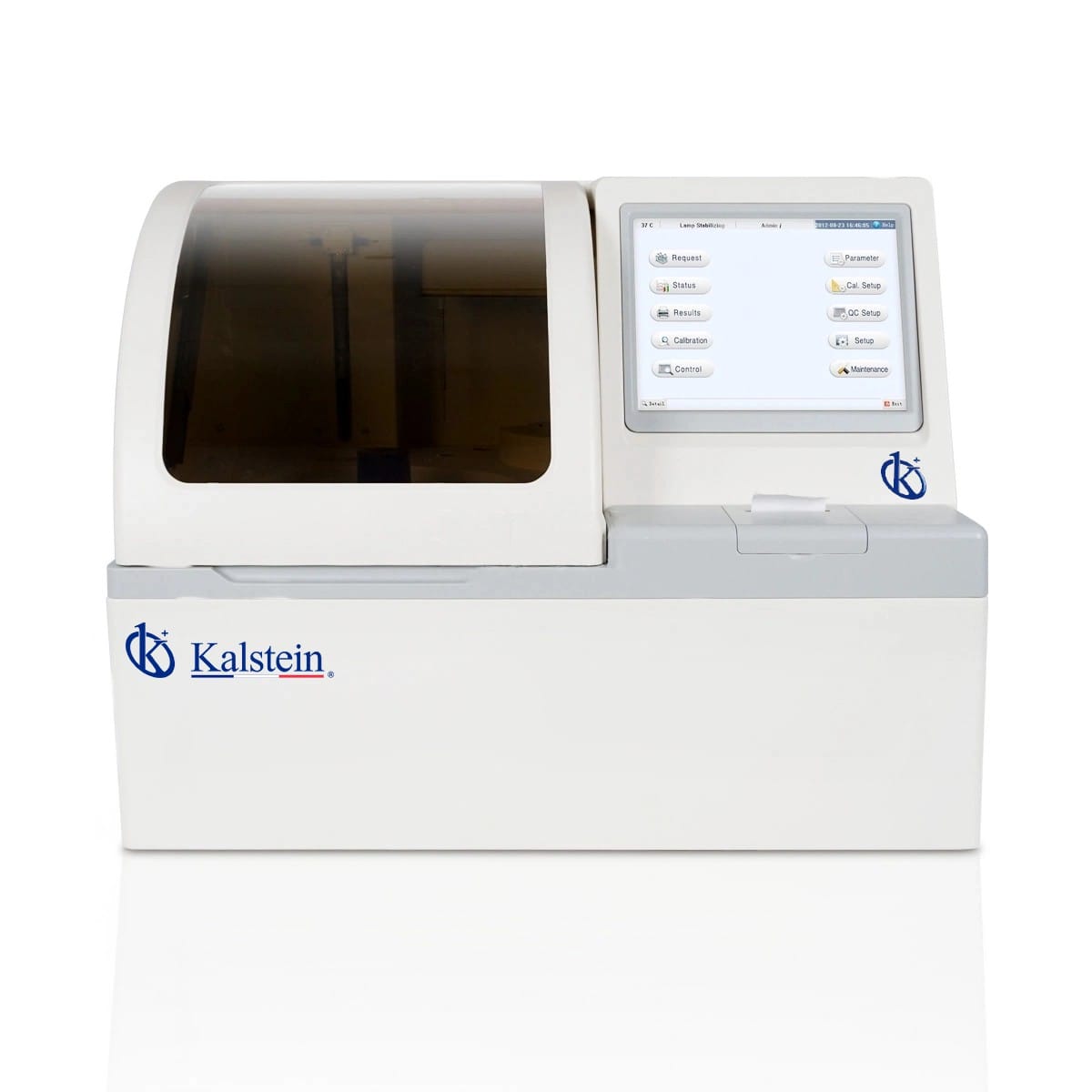
The field of veterinary diagnostics increasingly relies on sophisticated technology, particularly veterinary chemistry analyzers. Implementing predictive maintenance and periodic calibration is crucial to ensure these instruments operate at optimal efficiency. This article delves into the specific practices associated with maintaining and calibrating various models of veterinary chemistry analyzers, focusing on enhancing reliability and accuracy.
Understanding Predictive Maintenance and Calibration
Predictive maintenance involves using data analysis tools and techniques to determine the condition of equipment in order to predict when maintenance should be performed. In contrast, periodic calibration refers to the routine checking and adjustment of an analyzer's performance to ensure it operates within specified limits. Both practices are essential for maintaining the quality of diagnostic results in veterinary practices.
Importance of Regular Maintenance and Calibration
Regular maintenance and calibration of veterinary chemistry analyzers help prevent unexpected breakdowns and ensure consistent performance. Equipment that is well-maintained is less likely to yield erroneous results, which is vital in veterinary diagnostics for accurate animal health assessments. Moreover, adhering to maintenance schedules can extend the lifespan of the analyzers, ultimately leading to cost savings in equipment replacement and repair.
Key Models of Veterinary Chemistry Analyzers
To understand how predictive maintenance and calibration apply to specific models, we will examine several widely used veterinary chemistry analyzers and their unique features:
- Automatic Veterinary Chemistry Analyzer YR06168: Known for its performance of up to 100 tests per hour, this analyzer includes specialized veterinary software and supports both open and closed reagent systems.
- Portable Veterinary Chemistry Analyzer YR06169: This device offers a user-friendly interface with a touch screen and can deliver up to 16 accurate results from just 100 μl of whole blood in about 10 minutes.
- Quantitative Veterinary Immunofluorescence Analyzer YR06172: A lightweight option at only 1.65 kg, it features a built-in battery and supports quick quantitative analysis, making it ideal for field use.
- Blood Gas and Electrolyte Analyzer YR06174: It comes with multiple parameters and a user-friendly interface, perfect for use in critical care environments.
- Chemical Veterinary Analyzer YR06077: This model supports up to 12 types of animals and has a wide range of pre-programmed tests, making it versatile for various veterinary needs.
Predictive Maintenance Strategies
A successful predictive maintenance strategy involves regular monitoring of equipment usage and performance metrics. For instance, tracking the number of tests performed by each analyzer model can help predict when maintenance is required. This approach minimizes downtime and ensures that the analyzers are always ready for use.
Failure Modes and Management
Understanding potential failure modes is essential for effective predictive maintenance. Each model may exhibit specific vulnerabilities based on its design and usage. For instance, the Automatic Veterinary Chemistry Analyzer YR06168’s complex software may require regular updates to avoid operational issues. Regular analysis of error logs can help identify patterns that indicate the need for maintenance.
Calibration Intervals and Best Practices
Calibration intervals vary depending on the type of analyzer and its usage frequency. Generally, analyzers should be calibrated before significant testing periods and after servicing or repairs. For example, the Portable Veterinary Chemistry Analyzer YR06169 should be calibrated to ensure accuracy, especially when transitioning from one operational environment to another.
Establishing a Calibration Schedule
Establishing a calibration schedule involves setting specific time frames based on the manufacturer's recommendations and the analyzer's usage. The goal is to maintain performance within acceptable limits. A typical schedule can range from daily checks to monthly or quarterly calibrations, depending on the analyzer model and test volume.
Comparison of Available Models
| Model | Best Uses | Calibration Needs | Maintenance Frequency |
|---|---|---|---|
| YR06168 | High-volume testing in clinics | Monthly calibration recommended | Bi-annual preventive maintenance |
| YR06169 | Portable testing in the field | Calibration before each use | Annual maintenance |
| YR06172 | Immunofluorescence assays | Quarterly calibration | Annual maintenance |
| YR06174 | Critical care testing | Monthly calibration | Quarterly maintenance checks |
| YR06077 | General chemistry testing | Every three months | Bi-annual maintenance |
Common Mistakes and How to Avoid Them
Common pitfalls in the maintenance and calibration of veterinary chemistry analyzers include neglecting to adhere to recommended schedules, using inappropriate reagents, and failing to document maintenance activities. Ensuring thorough training for laboratory personnel can help mitigate these issues. Regular audits and adherence to best practices can significantly improve the reliability of diagnostic results.
Frequently Asked Questions
How can predictive maintenance improve the reliability of veterinary chemistry analyzers?
Predictive maintenance enhances reliability by predicting equipment failures before they occur, ensuring that models like the Automatic Veterinary Chemistry Analyzer YR06168 are serviced proactively, which minimizes downtime and maintains test accuracy.
What are the benefits of periodic calibration in veterinary chemistry analyzers?
Periodic calibration ensures that analyzers deliver accurate results consistently, which is critical for models like the Portable Veterinary Chemistry Analyzer YR06169 especially when operating in variable field conditions.
How often should calibration be performed on the Quantitative Veterinary Immunofluorescence Analyzer YR06172?
The Quantitative Veterinary Immunofluorescence Analyzer YR06172 should be calibrated quarterly to ensure it maintains its accuracy and reliability in delivering results.
What is included in a typical maintenance checklist for veterinary chemistry analyzers?
A typical maintenance checklist includes tasks such as cleaning, software updates, performance checks, and inspections of components, ensuring that devices like the Blood Gas and Electrolyte Analyzer YR06174 remain operationally sound.
Which factors influence the calibration frequency of veterinary chemistry analyzers?
Calibration frequency is influenced by usage patterns, environmental conditions, and the specific model. For example, the Chemical Veterinary Analyzer YR06077 may require less frequent calibration than high-use models like the YR06168.
How does accurate calibration impact veterinary diagnostics?
Accurate calibration directly impacts the reliability of test results, which is essential for clinical decisions. Inaccurate results from any model, including the YR06169, can lead to misdiagnosis or improper treatment.
What documentation is necessary for maintaining compliance with calibration standards?
Documentation should include calibration records, maintenance logs, and performance verification results. This is crucial for compliance with standards and for models like the YR06174, which may be used in regulated environments.
Which veterinary chemistry analyzer is best for field use and why?
The Portable Veterinary Chemistry Analyzer YR06169 is ideal for field use due to its compact design, ease of operation, and quick results, making it suitable for mobile veterinary clinics.
If you are looking for a fusion of innovation and quality, you have come to the right place. At Kalstein, we offer you the luxury of exploring our exclusive catalog of laboratory equipment. We manufacture every device to the highest standards of excellence. Our intuitive and seamless online purchasing channels are designed for your convenience, securing the most competitive prices. Hesitate no longer — we bring science to life, it is time to become part of our community.