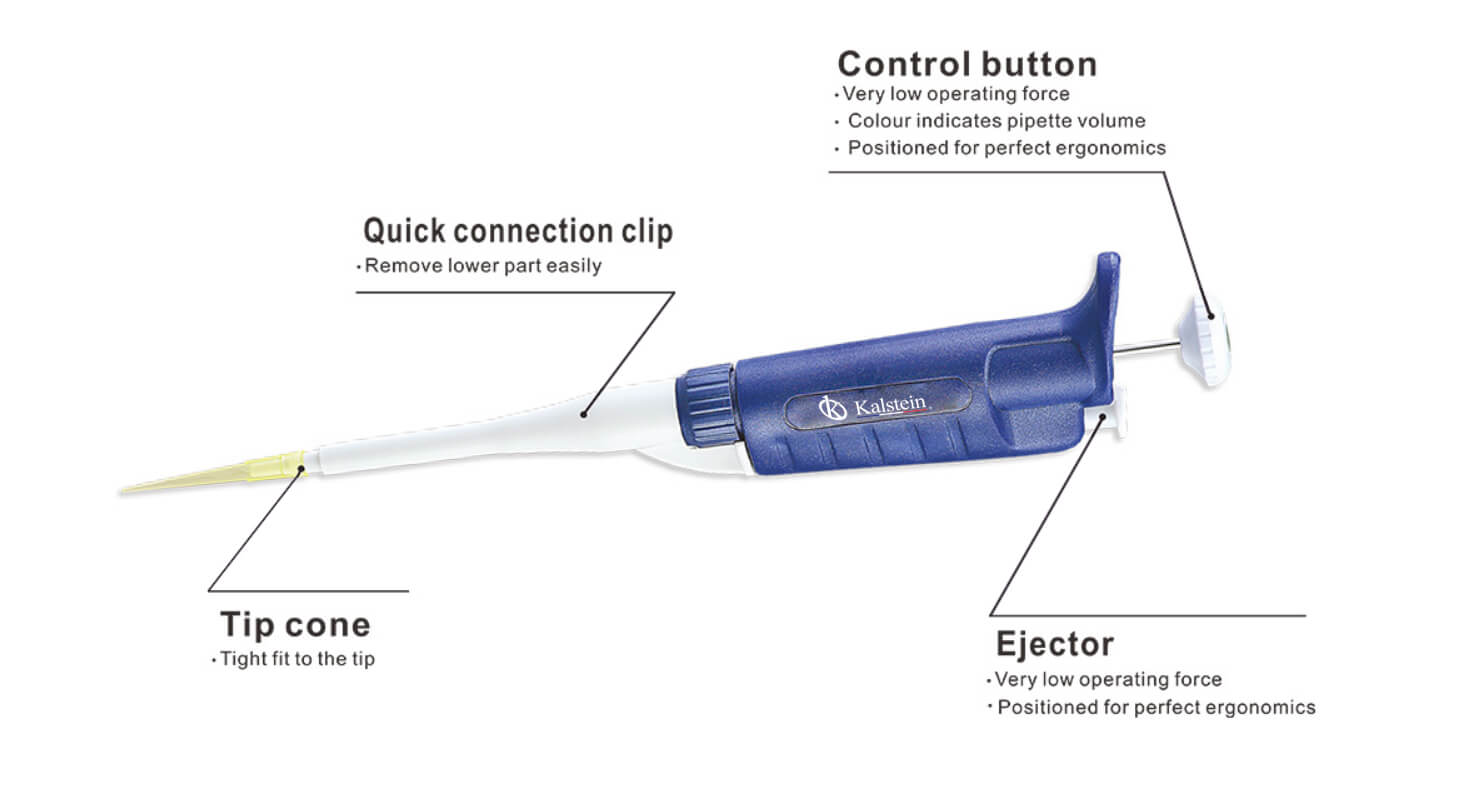
Understanding the Principle of Operation and Scientific Foundations of the YR03731-7 Pipette
The YR03731-7 Pipette is a robust, precise laboratory instrument designed to facilitate fluid handling with accuracy and ease. Understanding the underlying scientific principles and operational foundations of this pipette is essential for effective and reliable laboratory practices. In this article, we will delve into the operational mechanics, features, and applications of the YR03731-7, providing insights that can enhance your laboratory’s workflow.
Operational Mechanics of the YR03731-7
The YR03731-7 is an air-displacement pipette that operates on the principles of liquid displacement and atmospheric pressure. When the pipette's plunger is pressed down, it creates a vacuum within the barrel, allowing liquid to be drawn into the pipette tip when the plunger is released. This mechanism relies on the concept of pressure differentials, where the atmospheric pressure forces the liquid into the tip as the vacuum is created.
Key design considerations include a low operational force to minimize user fatigue and improve accuracy. The ergonomic design ensures that the pipette can be used for extended periods without discomfort, making it an ideal choice for repetitive tasks in a laboratory setting. The color-coded tips indicate the pipette's volume, streamlining the selection process for users.
Technical Specifications of the YR03731-7
| Model | Volume Range | Accuracy | Repeatability |
|---|---|---|---|
| YR03731-7 | 500 μl | ±0.6% | ≤0.20% |
Scientific Foundations of Fluid Displacement
The scientific principle governing the operation of the YR03731-7 is based on fluid dynamics and the behavior of liquids under pressure. According to Pascal’s principle, when pressure is applied to a confined fluid, the pressure change occurs uniformly throughout the fluid. This principle is crucial for ensuring that the pipette draws the exact volume of liquid as intended.
Moreover, the design of the YR03731-7 incorporates materials that withstand chemical interactions with various liquids, ensuring durability and integrity of measurements. The consideration of viscosity and surface tension is also critical, as these factors can impact the accuracy of the liquid samples being measured.
Applications of the YR03731-7 in Laboratory Settings
The YR03731-7 pipette is versatile and can be utilized across various laboratory applications, including clinical diagnostics, pharmaceutical research, and environmental testing. Its precision is vital in tasks such as sample preparation, reagent dispensing, and other analytical procedures where accuracy is paramount.
In clinical laboratories, for instance, the YR03731-7 can facilitate the accurate measurement of reagents for assays and tests, improving the reliability of diagnostic results. In environmental science, it can be used to sample and analyze pollutants in water and soil, playing a critical role in research and monitoring efforts.
Common Mistakes and Best Practices for Using the YR03731-7
While the YR03731-7 pipette is designed for ease of use, common mistakes can still arise during its operation. One mistake is not pre-wetting the pipette tip before taking measurements, which can lead to inaccuracies. Pre-wetting helps to create a consistent volume and reduces the chances of liquid adhering to the tip.
Another common error is not holding the pipette vertically during aspiration, which can cause variations in the volume drawn. Best practices include calibrating the pipette regularly and using appropriate pipette tips that match the pipette's specifications.
Frequently Asked Questions
What makes the YR03731-7 pipette suitable for laboratory use?
The YR03731-7 is designed with precision and ergonomics in mind, featuring low operational force, color-coded volume indicators, and compatibility with a wide range of liquids, making it ideal for laboratory applications.
How do I maintain the accuracy of the YR03731-7 pipette?
To maintain accuracy, regularly calibrate the pipette, use the correct tips, and ensure proper cleaning and maintenance practices are followed to avoid contamination or damage.
What volume ranges are available for the YR03731-7 pipette?
The YR03731-7 pipette has a fixed volume range of 500 μl, which is suitable for a variety of applications that require precise liquid handling in that specific range.
Can the YR03731-7 be used with viscous liquids?
While the YR03731-7 is designed for a wide range of liquids, users should consider the characteristics of viscous liquids as they may require different pipetting techniques, such as slower aspiration and dispensing speeds.
What should I do if the pipette is not providing consistent readings?
If the YR03731-7 is not providing consistent readings, check for proper calibration, ensure that the tips are securely attached, and inspect for any obstructions in the tip that may affect liquid flow.
How do I choose the right pipette tips for the YR03731-7?
Choose tips that are specifically designed for the YR03731-7 model, considering factors like volume range, compatibility with the liquids being used, and whether they are sterile or non-sterile based on your application requirements.
Is it possible to use the YR03731-7 for serial dilutions?
Yes, the YR03731-7 can be effectively used for serial dilutions, ensuring that precision and accuracy are maintained throughout the dilution process by following best pipetting practices.
If you are looking for a fusion of innovation and quality, you have come to the right place. At Kalstein, we offer you the luxury of exploring our exclusive catalog of laboratory equipment. We manufacture every device to the highest standards of excellence. Our intuitive and seamless online purchasing channels are designed for your convenience, securing the most competitive prices. Hesitate no longer — we bring science to life, it is time to become part of our community.