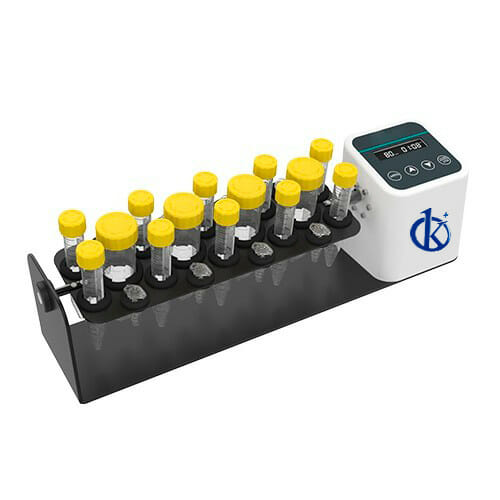
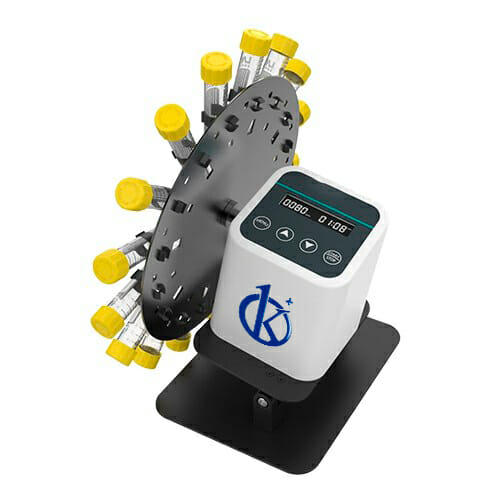
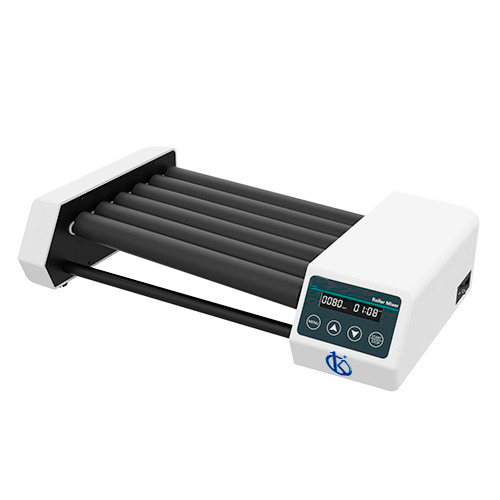
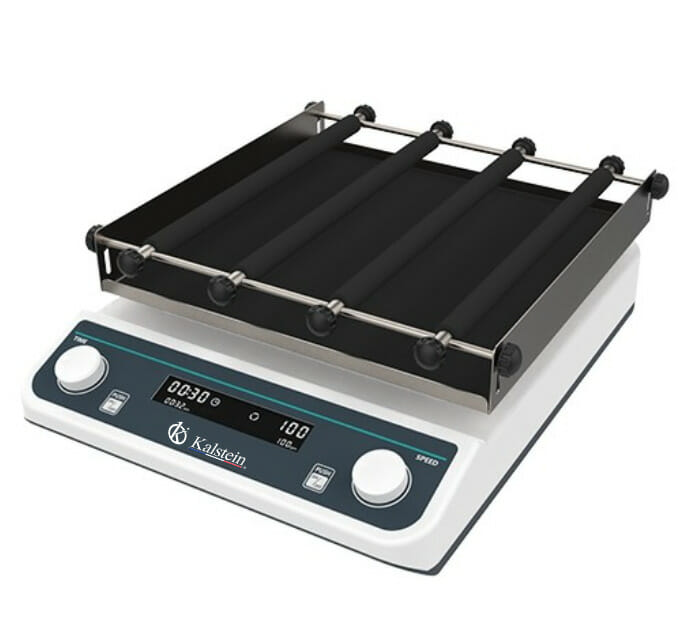
Orbital Shaker YR05766 // YR05768
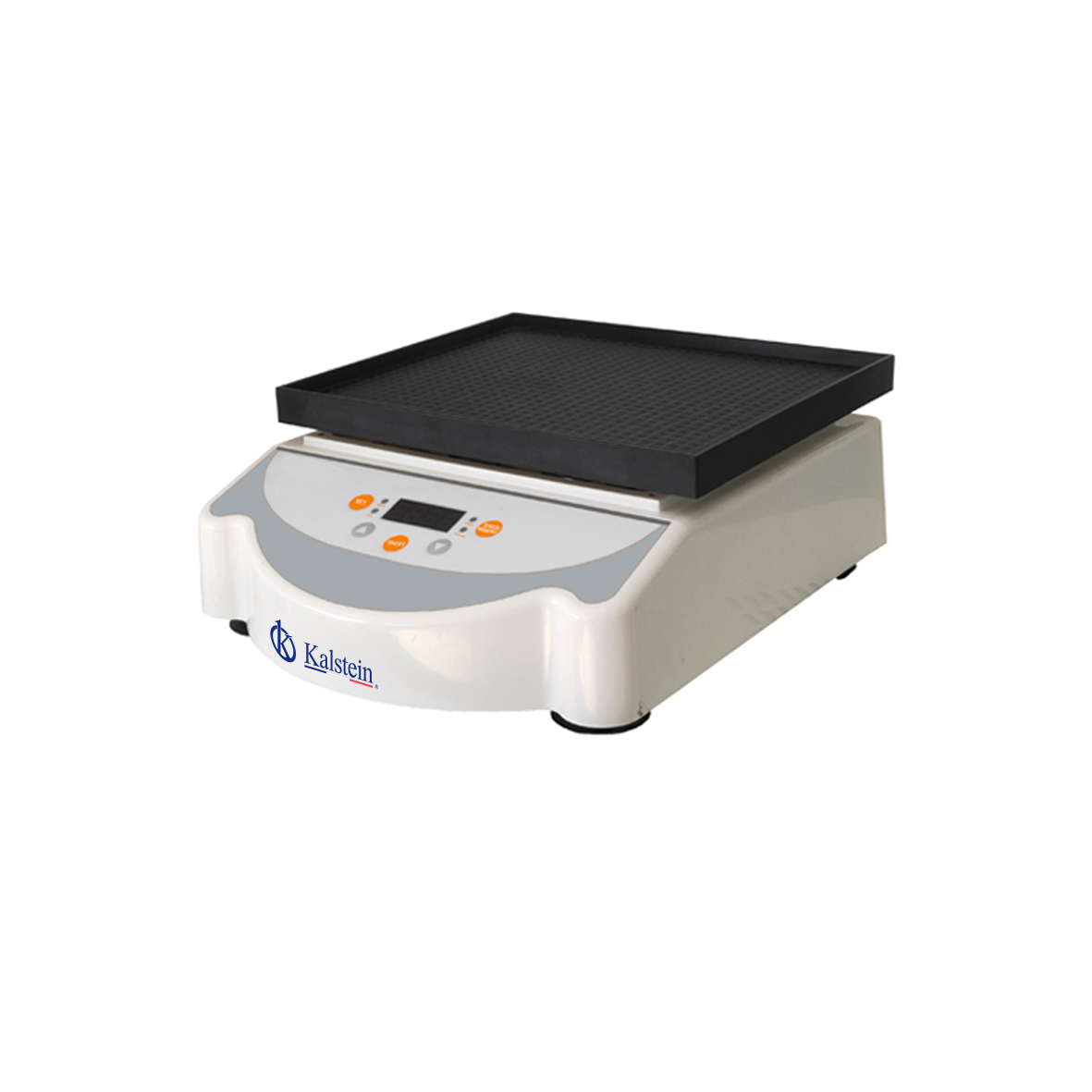
Orbital Shaker YR05766 // YR05768 — Kalstein laboratory equipment with technical specifications, advanced features, and certified professional solutions for scientific use.
Introducing the Orbital Shaker YR05766 // YR05768, a high-performance laboratory device designed for precise and efficient mixing applications. This orbital shaker employs uniaxial drive balancing technology that ensures smooth operation with minimal noise, making it ideal for sensitive lab environments. Equipped with a brushless DC motor, this machine offers a long lifespan with no maintenance requirements. The overcurrent protection function enhances its safety features by automatically cutting off power without interfering with other equipment. Its automatic memory function allows it to resume operations based on the last settings, and the slow start function prevents liquids from splashing. With a user-friendly LED digital display and a reliable microcomputer PID control, this shaker is a vital tool for any laboratory setting.
Market Price
The Orbital Shaker YR05766 // YR05768 is competitively priced within the market, with similar products ranging between $455 and $1365 USD. To ensure that you receive the best value for your investment, it's crucial to consider the features and long-term durability that this shaker offers. Discover more about its pricing and generate an instant quote through our Kalstein Plus platform now!
Frequently Asked Questions
How does the automatic memory function work? After the shaker is powered off, it retains the last settings, allowing it to resume without manual reconfiguration.
What is the advantage of a brushless DC motor? The brushless DC motor minimizes maintenance and provides a longer operational life compared to traditional motors.
Advantages and Disadvantages
Advantages: The shaker's smooth operation and low maintenance make it ideal for various laboratory applications. Its multiple safety features enhance operational security.
Disadvantages: The initial cost might be higher compared to basic models, but it's justified by its advanced features and durability.
Product Use in the Field
In a practical laboratory setting, the Orbital Shaker YR05766 // YR05768 is used for cell culture aeration, solubility studies, and various agitation procedures that require consistent and reliable shaking. Its versatility in shaking modes and precision control make it suitable for a wide range of experimental setups.
Recommendations
To maximize the life and performance of your orbital shaker, place it on a stable, level surface and ensure regular cleaning and calibration checks. Use the slow start feature to prevent sudden movements that may cause spillage, and regularly inspect all components for wear and tear.
Features
- Uses uniaxial drive balancing technology for low-noise operation.
- Brushless DC motor with a long lifespan and no maintenance required.
- Overcurrent protection with automatic power cut-off.
- Automatic memory of the last setting post-startup.
- Slow start feature to prevent liquid spillage.
Technical Specifications
| Model | YR05766 | YR05767 | YR05768 |
| Shaking Mode | orbital/ convolution | rocking | waving / three dimensional |
| Control | Microcomputer PID control | ||
| Display | LED digital display | ||
| Amplitude | Ø30 | 25mm | 3-15°(manual) |
| Frequency (rpm/min) | 15-240 | 15-90 | |
| Sensitivity (rpm) | ±2 | ||
| Timer | 0-99hours59minutes | ||
| Tray Size (mm) | 320x265 | ||
| Tray Number | 1 | ||
| Overall Size (mm) | 330x480x160 | 330x480x220 | 330x480x180 |
| Power | 30W | ||
| Power Supply | AC 90-260V, 50-60HZ | ||
| Ambient Temperature | -10 °C-65 °C | ||
Technical specifications
| Dimensions | L 39.5 × W 46 × H 30 cm |
|---|---|
| Weight | 8 kg |
| Manufacturer | Kalstein |
Available models
Video Orbital Shaker YR05766 // YR05768
Frequently asked questions
How to know the prices of Orbital Shaker YR05766 // YR05768?
To know the price of Orbital Shaker YR05766 // YR05768, please send us an email with your request through the contact form AQUI.
What are the delivery times for Orbital Shaker YR05766 // YR05768?
Delivery time depends on stock availability and freight type (air or sea). In stock: air 15-30 days, sea 45-60 days. Out of stock: air 30-60 days, sea 60-90 days.
How to make a purchase of Orbital Shaker YR05766 // YR05768?
You can buy by email ([email protected]), phone (+33 (0) 1 70 39 26 50) or through the official Kalstein website in your country.
How does the warranty work for Orbital Shaker YR05766 // YR05768?
All Kalstein equipment comes with a 1-year warranty against manufacturing defects. The warranty does not cover damage from improper installation or misuse. See our «terms and conditions» AQUI.
Can I request a quote online for Orbital Shaker YR05766 // YR05768?
Yes, you can request a quote for the Kalstein equipment you are interested in directly from our official website. Click AQUI.