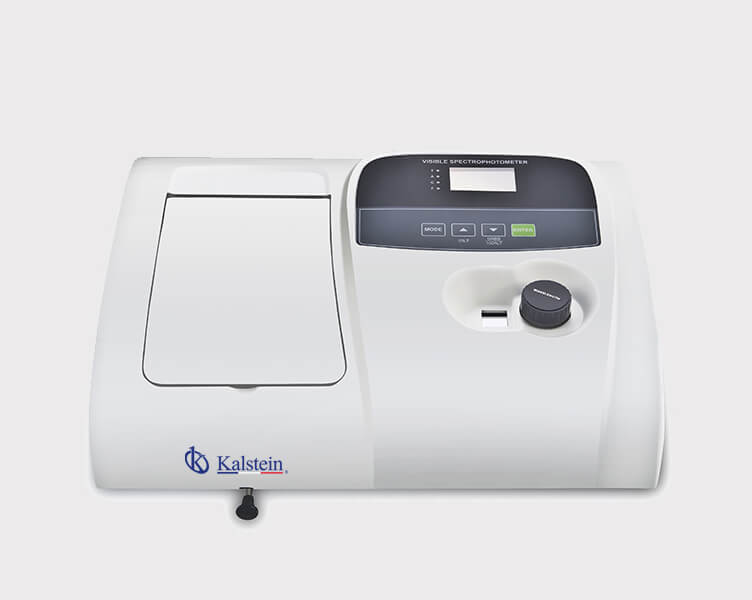
Ensuring Regulatory Compliance in Laboratories: The Role of Unique Beam Spectrophotometers
In the realm of laboratory operations, compliance with ISO/IEC standards is not just a requirement but a necessity for ensuring quality, reliability, and safety in laboratory practices. This article delves into the significant role that unique beam spectrophotometers play in facilitating adherence to these regulations, focusing on their specifications, comparative advantages, and best practices for laboratory professionals.
Understanding ISO/IEC Standards in Laboratory Settings
The International Organization for Standardization (ISO) and the International Electrotechnical Commission (IEC) set forth various standards that aid laboratories in maintaining high-quality operational benchmarks. Notable among these are ISO 17025, which outlines the general requirements for the competence of testing and calibration laboratories, and ISO 15189, focused on medical laboratories. Compliance ensures laboratories can produce valid and credible results, pivotal for both internal and external stakeholders.
How Unique Beam Spectrophotometers Facilitate Compliance
Unique beam spectrophotometers are instrumental in various laboratory applications, from clinical diagnostics to environmental testing. These devices provide precise measurements of light absorption across specified wavelengths, enabling adherence to the accuracy and reliability required by ISO standards. For instance, the YR01846 model, with its improved wavelength accuracy of ±0.5 nm and automatic wavelength adjustment, ensures minimal operation errors, thus aligning with quality assurance practices mandated by regulatory standards.
Comparison of Available Models
| Model | ISO/IEC Clauses Covered | Traceability Features | Best For |
|---|---|---|---|
| YR01844 | ISO 17025 | USB data output for traceability | General laboratory use |
| YR01845 | ISO 15189 | Multiple standard curve configuration | Clinical diagnostics |
| YR01846 | ISO 17025 | Automatic adjustments enhance traceability | Chemical analysis |
| YR01847 | ISO 17025 | USB connectivity for data logs | Research laboratories |
| YR01850 | ISO 15189 | Integration with PCs for traceability | Environmental testing |
| YR01853 | ISO 17025 | Data output for calibration standards | Academic research |
Common Mistakes and How to Avoid Them
Laboratories often face challenges in maintaining compliance due to various oversights. One common mistake is the improper calibration of equipment, which can lead to inaccurate results. It is crucial to establish a routine calibration schedule compliant with ISO standards, ensuring that devices like the YR01850 spectrophotometer remain accurate and reliable. Another frequent issue is inadequate documentation of procedures and results. Laboratories should ensure robust data management systems are in place, enabling efficient tracking and accountability.
Detailed Analysis of ISO/IEC Standards Relevant to Spectrophotometers
ISO 17025 emphasizes the importance of equipment calibration and traceability in producing valid results. In this context, unique beam spectrophotometers such as the YR01846, with its precise ±0.5 nm wavelength accuracy and automatic adjustment capability, exemplify how modern instruments can help meet these standards. Laboratories must also be aware of the importance of maintaining a controlled environment to adhere to the stability parameters outlined in the standards.
Documenting Compliance and Best Practices
Proper documentation is a cornerstone of regulatory compliance. Laboratories should implement a quality management system that includes detailed records of equipment calibration, maintenance logs, and test results. For instance, the YR01847 model’s USB connectivity allows for easy data transfer and record-keeping, aligning with the traceability requirements of ISO standards. Regular audits and reviews of these documents can help ensure ongoing compliance.
Benchmarking Performance with Unique Beam Spectrophotometers
Performance benchmarking is essential for laboratories striving for compliance. Utilizing models such as the YR01845, which features clear data outputs for multiple standard curves, allows laboratories to compare results objectively against established benchmarks. This becomes vital when preparing for audits or assessments by regulatory bodies, ensuring that all operational metrics are within acceptable limits.
Integrating Technology for Enhanced Compliance
Modern laboratory operations increasingly rely on technology integration to boost compliance efforts. Unique beam spectrophotometers, like the YR01853, equipped with advanced data management capabilities, facilitate seamless integration into laboratory information management systems (LIMS). This integration enhances the traceability of results and compliance with ISO standards while streamlining laboratory workflows.
Frequently Asked Questions
How do unique beam spectrophotometers comply with ISO 17025 standards?
Unique beam spectrophotometers like the YR01844 help comply with ISO 17025 by ensuring accurate calibrations and providing traceable results through USB data outputs. This model adheres to stringent accuracy and repeatability requirements crucial for regulatory compliance.
What key features should I look for in a spectrophotometer for regulatory compliance?
When selecting a spectrophotometer like the YR01846, look for features such as automatic wavelength adjustment, USB connectivity for data management, and compliance with ISO/IEC standards for testing and calibration. These ensure high accuracy and traceability of results.
Which unique beam spectrophotometer is best for clinical diagnostics?
The YR01845 is ideal for clinical diagnostics due to its ability to configure multiple standard curves tailored to various solutions, aligning with ISO 15189 standards for medical laboratories and enhancing diagnostic accuracy.
What should I include in my laboratory’s compliance documentation?
Compliance documentation should include calibration records, equipment maintenance logs, test results, and standard operating procedures. Using models like the YR01850 with USB connectivity simplifies record-keeping and aligns with regulatory standards.
How can I ensure the accuracy of my spectrophotometer measurements?
To ensure accuracy, calibrate your spectrophotometer regularly according to ISO 17025 guidelines. Models like the YR01847, which offer automatic adjustments and high-precision measurements, help maintain compliance and accuracy in results.
What is the role of automatic adjustments in spectrophotometer compliance?
Automatic adjustments in spectrophotometers, like those in the YR01846, minimize human errors during operation, enhancing compliance with ISO/IEC standards. This feature ensures that measurements remain accurate and reliable throughout testing processes.
How do I choose the right spectrophotometer for my laboratory needs?
Choosing the right spectrophotometer involves assessing the specific requirements of your laboratory, including compliance needs and testing protocols. The YR01853, for instance, offers a wide wavelength range and robust features ideal for rigorous testing environments.
If you are looking for a fusion of innovation and quality, you have come to the right place. At Kalstein, we offer you the luxury of exploring our exclusive catalog of laboratory equipment. We manufacture every device to the highest standards of excellence. Our intuitive and seamless online purchasing channels are designed for your convenience, securing the most competitive prices. Hesitate no longer — we bring science to life, it is time to become part of our community.