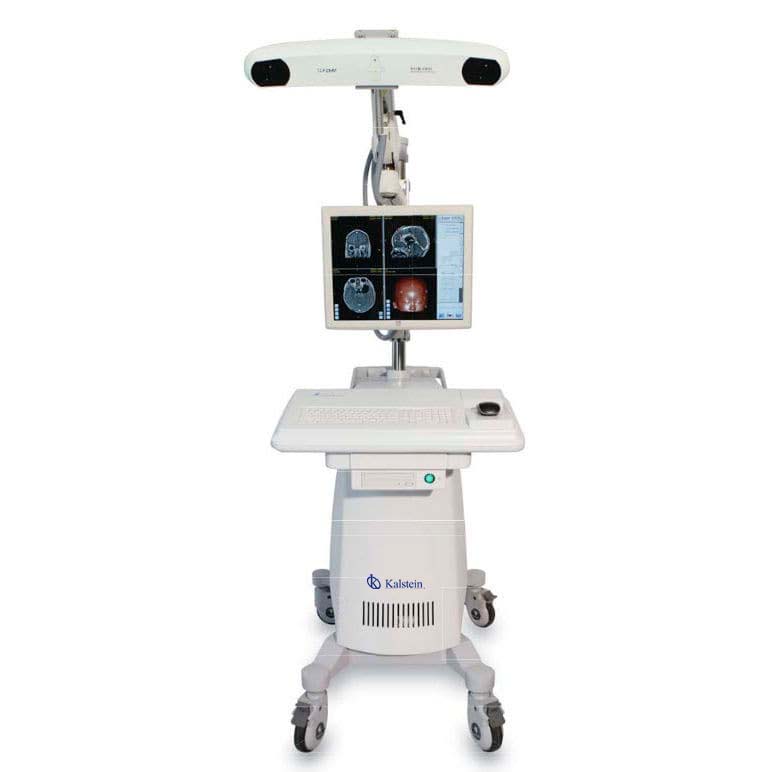
Optical Surgical Navigation, Brand Kalstein
The importance of precision in surgical procedures cannot be overstated, and in this context, Optical Surgical Navigation systems have emerged as a game-changing innovation. The brand Kalstein has been at the forefront of developing advanced navigation systems that aid surgeons in enhancing accuracy, reducing operating times, and improving patient outcomes. This sophisticated technology utilizes optical and infrared tracking to provide real-time feedback and guidance during surgical procedures, ensuring that surgeons have clear and precise information.
Kalstein's commitment to quality and innovation is reflected in their Optical Surgical Navigation systems. They have meticulously engineered these systems to meet the highest standards of medical technology, providing surgeons with tools that are not only effective but also reliable and user-friendly. The positive feedback from surgical departments around the globe attests to the impact and reliability of Kalstein's solutions in real-world clinical settings.
Features of the Optical Surgical Navigation
The defining features of Kalstein’s Optical Surgical Navigation systems are what set them apart in the medical field. These systems are equipped with state-of-the-art cameras and sensitive tracking devices that provide a high level of accuracy in surgical navigation. By using optical and infrared technologies, they help in mapping out the surgical field with extreme precision, allowing for meticulous planning and execution of complex surgical interventions.
Additionally, the systems include user-friendly interfaces which are designed to be intuitive for surgical teams to operate. The integration of touch-screen displays and easy-to-read visual graphics ensures that crucial information is accessible in real-time, without any steep learning curve. Such features make these navigation systems indispensable tools in modern surgical rooms.
Different Types or Models of the Optical Surgical Navigation
Kalstein offers a variety of models in their Optical Surgical Navigation system lineup, each engineered to cater to specific surgical needs. Whether it's neurosurgery, orthopedics, or ENT (ear, nose, and throat), there is a model designed to enhance surgeon efficiency and patient safety.
The different models come with variations in the tracking technologies, interfaces, and camera systems, ensuring that they meet the specific requirements of diverse medical disciplines. By opting for the right model, surgical teams can achieve optimal outcomes and adapt the technology seamlessly into their existing surgical workflows.
Why This Price for the Optical Surgical Navigation?
The pricing of Kalstein's Optical Surgical Navigation systems is a reflection of the advanced technology and the comprehensive benefits they offer. Investing in such a system means availing numerous advantages such as enhanced precision, reduced surgical times, and improved patient safety, all of which justify the investment.
The costs also cover the integration of cutting-edge tracking components and durable materials, all meticulously constructed to withstand the demands of a rigorous surgical environment. Moreover, Kalstein provides extensive support and maintenance services which add significant value to the purchase, ensuring longevity and consistent performance of the equipment.
Comparing Optical Surgical Navigation with Competitors
When evaluating the market, it is essential to compare Kalstein's Optical Surgical Navigation with leading competitors like Medtronic, Stryker, and Brainlab. Each of these companies offers its own version of surgical navigation systems, each with unique features and technological advances.
Kalstein’s systems distinguish themselves with their superior user interface and affordability, proving to be more cost-effective than many offerings from Medtronic and Stryker, while also maintaining a comparable level of precision and reliability. Unlike Brainlab, Kalstein’s systems tend to focus more on user-friendliness, making them accessible for a wide range of surgical specializations.
Pros and Cons of Optical Surgical Navigation
| Pros | Cons |
|---|---|
| High precision and accuracy in surgical procedures | Initial setup costs can be high |
| Improves surgical outcomes and patient safety | Learning curve involved for newly adopted systems |
| Reduces operative times significantly | Requires regular maintenance and updates |
| User-friendly interface with easy navigation | Infrastructure requirements may vary |
| Reduced surgeon fatigue due to enhanced guidance | Occasional technical issues could arise |
| Seamless integration into diverse surgical environments | Training staff might be required |
| Reliable after-sales service and maintenance | |
| Long-term cost savings due to increased efficiency |
Benefits of Using Optical Surgical Navigation Systems
Optical Surgical Navigation systems provide significant benefits in medical procedures, primarily through their capacity to enhance precision and reduce human error. This leads to markedly better surgical outcomes and contributes to quicker patient recovery times. Due to real-time visualization, surgeons are able to operate with increased confidence, knowing they are making well-guided decisions.
Moreover, these systems foster a safer surgical environment as they incorporate a detailed mapping of anatomical structures, minimizing the risk of incidental damage to critical tissues. This aspect not only maximizes patient safety but also elevates the level of trust and comfort that patients have with their surgical providers.
Other Advantages of Optical Surgical Navigation
Beyond surgical precision, these navigation systems enhance the efficiency of the entire surgical team. By delivering accurate and timely information, they ensure that all team members are perfectly synchronized, reducing the likelihood of miscommunication and delays during surgery.
Additionally, the adaptability of these systems means they can be integrated into a variety of surgical procedures, making them a versatile tool for a wide array of specialties. This flexibility allows hospitals to leverage a single system across multiple departments, resulting in significant cost savings.
User Feedback on Optical Surgical Navigation
The response from medical professionals who have incorporated Optical Surgical Navigation systems into their practices has been overwhelmingly positive. Many surgeons have praised the clear imaging and precision that these systems bring, often emphasizing how they can perform more thorough and focused procedures.
Hospital administrators have also pointed out the reduction in surgical times and the improvement in patient outcomes as a considerable advantage. This positive feedback highlights the transformative impact that such technology can have in a healthcare setting, reinforcing the notion that investing in this technology is worthwhile.
Frequently Asked Questions
How does Optical Surgical Navigation improve surgical accuracy?
The system uses advanced optical and infrared tracking to provide real-time images, ensuring exact localization and orientation during procedures, which significantly enhances surgical precision.
Is the Optical Surgical Navigation system user-friendly?
Yes, the interface is designed with simplicity and ease of use in mind, allowing for quick learning and effective operation by surgical teams.
Can this technology be integrated into different types of surgeries?
Absolutely. The flexibility of the system makes it suitable for various surgical procedures, including neurosurgery, orthopedics, and ENT operations.
What type of support is available after purchase?
Kalstein offers robust after-sales support, including maintenance services and comprehensive user training, ensuring that the system continues to perform optimally over time.
Why should I choose Kalstein over other brands?
Kalstein’s systems offer a perfect balance of precision, user-friendliness, and cost-effectiveness, making them an excellent choice compared to other market offerings.
Does the system require extensive maintenance?
While regular maintenance is recommended to ensure peak performance, Kalstein provides extensive support to handle these needs seamlessly.
Final Recommendations on Optical Surgical Navigation
In conclusion, investing in Optical Surgical Navigation systems is a strategic decision for any modern surgical facility aiming to enhance precision and patient outcomes. With cutting-edge features, reliable support, and adaptability across various surgical specialties, these systems stand as a critical component in advancing healthcare delivery. Ultimately, the choice of integrating this technology will not only benefit physicians and healthcare providers but most importantly, the patients who are at the heart of medical care. For further information, you can visit https://kalstein.us/category-product/medical-line/optical-surgical-navigation/.