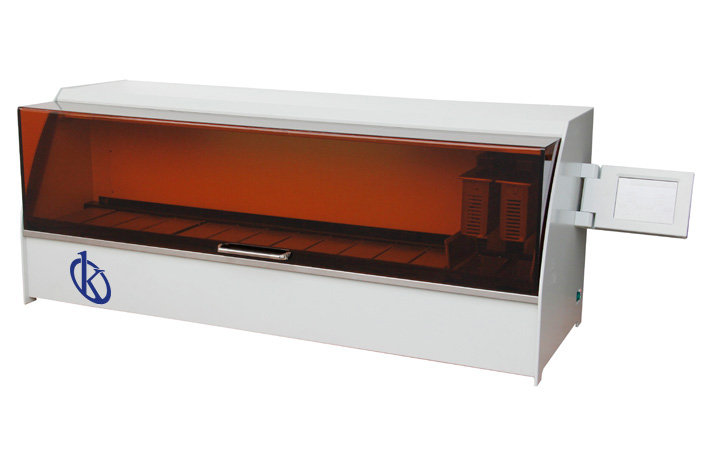
Tissue Processing by Kalstein
The significance of tissue processing in the field of pathological anatomy cannot be overstated. This sophisticated procedure serves as the cornerstone for numerous essential medical analyses, ensuring that tissue samples are accurately prepared for further examination. At Kalstein, we have harnessed the power of innovation to develop tissue processing solutions that stand out in quality, efficiency, and usability.
Kalstein's commitment to enhancing laboratory practices is reflected in every piece of equipment it produces. Their tissue processors are designed with the user in mind, offering state-of-the-art features that accommodate the needs of modern laboratories. With a focus on precision and reliability, Kalstein's solutions help pathologists achieve superior results with ease.
Characteristics of Kalstein Tissue Processing
Kalstein's tissue processors are equipped with cutting-edge technology that optimizes the tissue preparation process. Key features include: - Precision-based protocols that ensure consistency and repeatability. - User-friendly interfaces that allow for easy navigation and setting adjustments. - Automated processes that reduce human error and increase throughput.
Furthermore, these processors boast robust construction, designed to withstand the rigorous demands of busy laboratory environments. In addition, the versatility of Kalstein's equipment allows for customization to meet specific laboratory protocols, giving users the flexibility they need to accommodate a wide range of tissue samples.
Different Models of Kalstein Tissue Processing
Kalstein offers a variety of tissue processor models tailored to different laboratory scales and requirements. Each model is engineered to provide reliability and efficiency: - The compact models are perfect for laboratories with limited space, offering complete functionality without compromising on performance. - The advanced models are designed for high-volume laboratories, featuring enhanced processing capacities and speed to handle large numbers of samples swiftly.
Every model integrates seamlessly into existing laboratory workflows, promising to elevate the productivity and accuracy of pathological examinations. The intuitive design of each model simplifies maintenance while providing detailed diagnostic tools for troubleshooting.
Why Does Tissue Processing Have This Price?
The pricing of tissue processing equipment is often reflective of the technology and research invested in its development. Kalstein's tissue processors are priced considering several factors including: - The cost of high-grade components used to guarantee durability and precision. - The investment in research and development to incorporate the latest innovations in the field. - Customer support and warranties which ensure ongoing assistance and service.
Moreover, Kalstein ensures that the value offered by its tissue processors justifies the cost. By reducing processing time and increasing accuracy, these models ultimately contribute to lower long-term operational costs within the laboratory setting, providing a worthwhile investment for any pathology lab.
Comparison with Other Brands
When comparing Kalstein's tissue processors with those from other companies like Leica, Sakura, and Shandon, several distinctions become apparent. While each brand offers unique features, Kalstein's models stand out for their unmatched user interface and ease of integration into laboratory workflows.
Unlike some competitors, Kalstein has infused their models with an emphasis on versatility without complicating the user experience. Brands like Sakura may offer high-capacity models, but the simplicity and adaptability of Kalstein's products cater to a broader range of laboratory environments. This makes Kalstein's offerings particularly appealing to labs seeking efficiency and flexibility in one package.
Pros and Cons of Tissue Processing
| Pros | Cons |
|---|---|
| High precision in tissue preparation | Initial investment may be high |
| Automated processes reduce errors | May require specialized training |
| Customizable protocols for various needs | Occasional maintenance needed |
| User-friendly interfaces | Requires reliable technical support |
| Durable construction for longevity | Footprint might be large for some setups |
| Efficient for high-volume processing | Requires power supply considerations |
| Excellent customer support | |
| Integration with digital laboratory management systems |
Benefits of Using These Tissue Processors
The benefits of using Kalstein's tissue processors are evident in the improvement of laboratory outcomes. Their state-of-the-art design and technology mean that processes are faster and more reliable, which is critical in fields where time and accuracy are paramount.
Additionally, the ability to tailor protocols to specific research or diagnostic needs adds an unparalleled layer of efficiency. By streamlining tissue preparation, labs can focus resources on analysis and results, ultimately leading to better patient outcomes and innovative research breakthroughs.
Other Advantages of Tissue Processing
Kalstein's tissue processors offer a myriad of other advantages, such as streamlined operations which lead to improved workflow within laboratories. This optimization can result in increased throughput and reduced backlog, vital for maintaining the smooth running of a medical facility.
Moreover, the integration capabilities with digital systems ensure that Kalstein's tissue processors can adapt to newer technological developments, reinforcing their position as a future-proof investment for any laboratory.
References from Some Users About the Tissue Processing
User feedback is a testament to the excellence of Kalstein’s tissue processors. Laboratories that have integrated these devices into their workflow often report enhanced efficiency and accuracy. Users appreciate the intuitive design and commend the after-sales support that ensures they get the most out of their equipment.
Many users highlight how these tissue processors have reduced downtime and increased their sample processing capabilities, thereby enabling them to meet greater demands without compromising quality.
Frequently Asked Questions
How do Kalstein’s tissue processors improve laboratory efficiency?
Kalstein's processors streamline tissue preparation with automated and precise systems, saving time and reducing errors, which increases overall laboratory efficiency.
Are Kalstein’s tissue processors easy to use?
Yes, they feature a user-friendly interface designed to simplify operation and reduce the learning curve for laboratory personnel.
What types of samples can Kalstein's tissue processors handle?
These processors are versatile and can handle a wide range of tissue samples, making them suitable for diverse pathological applications.
How does the maintenance process look for these devices?
Kalstein's tissue processors are designed for ease of maintenance, with diagnostic tools and support readily available to ensure minimal operational downtime.
Can these tissue processors integrate with digital systems?
Yes, they are equipped to integrate seamlessly with digital laboratory management systems, enhancing their utility in modern labs.
What kind of customer support is available?
Kalstein provides comprehensive customer support, including training, troubleshooting assistance, and technical aid to ensure that labs can fully utilize their equipment.
Final Recommendations on Tissue Processing
Investing in Kalstein's tissue processing technology is a strategic decision for laboratories aiming to enhance their operational capacity and precision. The integration of advanced features with robust support makes these processors a reliable choice for pathology applications. To further explore the benefits of Kalstein’s offerings, visit Kalstein Tissue Processing Solutions.