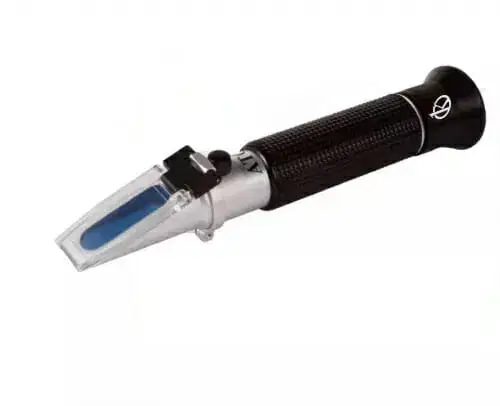
Understanding ROI and Cost-Benefit Analysis for Brix Refractometers
Brix refractometers play an essential role in laboratories, particularly in sectors like viticulture, horticulture, and food production. These instruments measure the sugar content in liquids, providing critical data for quality control and product formulation. However, understanding the return on investment (ROI) and conducting a thorough cost-benefit analysis is crucial for laboratory professionals looking to maximize efficiency and budget alignment.
Framing the Importance of ROI and Cost-Benefit in Brix Refractometers
ROI and cost-benefit analyses serve as vital tools for laboratory managers in evaluating the effectiveness of Brix refractometers. By measuring the financial returns relative to the costs incurred over time, laboratories can make strategic decisions regarding their equipment purchases. This information is particularly significant when considering the diverse models available, such as the YR05872 and YR05876, which provide various measurement ranges and precision levels.
Comparison of Available Models
| Model | Measurement Range | Min. Division | Precision | Recommended Scenario | Cost (USD) |
|---|---|---|---|---|---|
| YR05872 | 0-5% Brix | 0.1 Brix | ± 0.10 Brix | Small scale fruit testing | 10.00 |
| YR05873 | 0-10% Brix | 0.1 Brix | ± 0.10 Brix | Vegetable sugar content analysis | 10.00 |
| YR05874 | 0-18% Brix | 0.1 Brix | ± 0.10 Brix | Medium scale food production | 10.00 |
| YR05875 | 0-20% Brix | 0.1 Brix | ± 0.10 Brix | Homemade brewing | 9.50 |
| YR05876 | 0-32% Brix | 0.1 Brix | ± 0.10 Brix | High sugar content products | 9.50 |
| YR05877 | 0-10% Brix | 0.1 Brix | ± 0.10 Brix | General laboratory use | 10.00 |
Cost-Benefit Analysis: Key Factors to Consider
When evaluating Brix refractometers, it is important to conduct a detailed cost-benefit analysis. Key factors include:
- Initial Costs: The purchase price of the refractometer, such as the YR05875 priced at $9.50.
- Operational Costs: These include consumables, maintenance, and calibration expenses.
- Output Quality: The accuracy and reliability of results, which can directly affect product quality.
- Efficiency Gains: Evaluate time savings and workflow improvements when using these devices.
Quantitative Breakdown of Cost-Effectiveness
To illustrate the financial impact, consider the following breakdown for the YR05874 model:
| Item | Cost (USD) | Frequency | Total (USD) |
|---|---|---|---|
| Initial Purchase | 10.00 | 1 | 10.00 |
| Calibration Annual | 15.00 | 1 | 15.00 |
| Consumables per Test | 0.20 | 100 | 20.00 |
| Total Cost per Year | $45.00 | ||
Common Mistakes and How to Avoid Them
Laboratories often encounter pitfalls when assessing ROI and cost-effectiveness. Common mistakes include:
- Failing to account for hidden costs such as maintenance and calibration.
- Neglecting the need for regular training on equipment usage, impacting efficiency and accuracy.
- Overlooking the comparative benefits of different models, such as the YR05872 versus YR05876.
Frequently Asked Questions
What are the key advantages of using Brix refractometers in financial analysis?
Brix refractometers, like the YR05873, provide precise measurements that enhance decision-making in financial analysis by identifying sugar content accurately, contributing to better pricing strategies and product quality.
How can I calculate the ROI from my Brix refractometer investment?
To calculate ROI from a Brix refractometer, determine the total costs (including the YR05875's purchase price) against the financial gains from improved accuracy and reduced waste over a specified period.
Which Brix refractometer model is best suited for high-volume testing?
The YR05876 model is ideal for high-volume testing with its 0-32% measurement range, ensuring accurate results for sugar content in high-sugar products, thus maximizing efficiency in testing.
What are the maintenance costs associated with Brix refractometers?
Maintenance costs, including calibration and regular servicing of models like the YR05874, typically amount to approximately $15 annually, depending on usage frequency and laboratory protocols.
How do I determine the payback period for my Brix refractometers?
To determine the payback period, divide the total investment in Brix refractometers by the annual savings achieved through improved efficiency and reduced waste, which can be quantified using the YR05872 model's operational data.
What should I consider when selecting a Brix refractometer for my lab?
When selecting a Brix refractometer, consider factors such as the measurement range, precision, and operational costs, ensuring models like the YR05873 align with your specific laboratory needs and testing volume.
How can Brix refractometers improve laboratory efficiency?
Brix refractometers enhance laboratory efficiency by providing quick and accurate measurements, reducing time spent on testing and analysis, and allowing for more samples to be processed, especially with models like the YR05876.
What are the typical applications for Brix refractometers in laboratories?
Brix refractometers are commonly used in laboratories for applications such as testing sugar content in fruits, vegetables, and beverages, with models like the YR05875 being particularly suited for home brewing and quality control.
Request a quote on Kalstein Plus today to explore various laboratory equipment options tailored to your needs.
If you are looking for a fusion of innovation and quality, you have come to the right place. At Kalstein, we offer you the luxury of exploring our exclusive catalog of laboratory equipment. We manufacture every device to the highest standards of excellence. Our intuitive and seamless online purchasing channels are designed for your convenience, securing the most competitive prices. Hesitate no longer — we bring science to life, it is time to become part of our community.