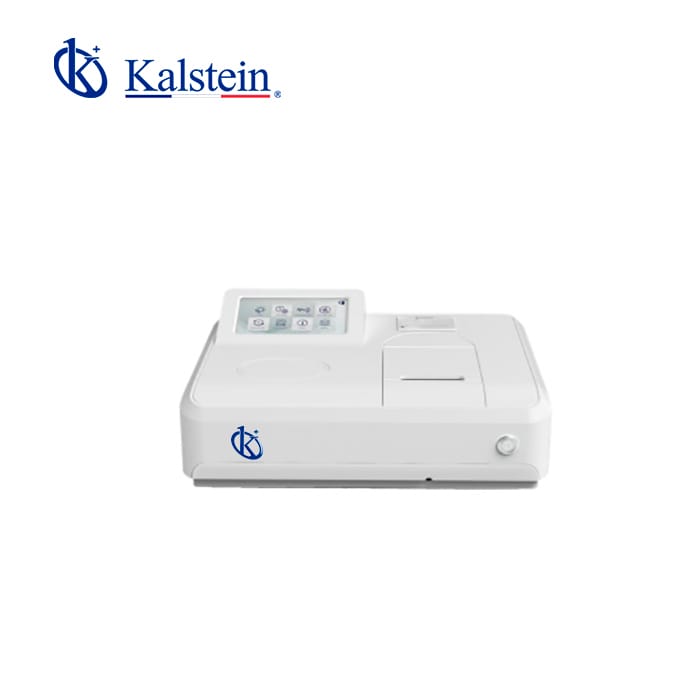
Understanding ROI and Cost-Benefit Analysis for COD/BOD Analyzers
As laboratory professionals, making informed decisions about equipment procurement is crucial. The choice of COD/BOD analyzers significantly impacts operational efficiency and long-term costs. This article delves into the return on investment (ROI) and cost-benefit analysis (CBA) for various COD/BOD analyzers, helping you identify the most efficient models for your laboratory's needs.
ROI and Cost-Benefit Analysis in Laboratory Settings
Return on investment measures the profitability of investments over time, while cost-benefit analysis quantifies the strengths and weaknesses of different options. For COD/BOD analyzers, ROI can be calculated by comparing the costs of purchasing, operating, and maintaining these devices against the overall benefits they provide. This encompasses factors like time saved, increased precision, labor costs, and consumable costs.
Comparison of Available Models
| Model | CAPEX (USD) | Cost per Test (USD) | Payback Period (Months) | Best for |
|---|---|---|---|---|
| YR06295 | 600.00 | 2.00 | 6 | High-volume laboratories |
| YR06296 | 300.00 | 1.50 | 5 | Field operations |
| YR06297 | 1650.00 | 4.00 | 9 | Complex sample analysis |
| YR06298 | 300.00 | 1.00 | 4 | Cost-effective digestion processes |
Key Factors in ROI Calculation
To effectively calculate ROI for COD/BOD analyzers, it’s essential to consider several factors: initial capital expenditure (CAPEX), operational expenditure (OPEX), throughput, and efficiency. Knowing these factors allows laboratories to assess which models provide the best financial return.
Coding the Cost-Benefit Analysis
When conducting a cost-benefit analysis, start by listing all associated costs such as equipment purchase, maintenance, and consumables. Next, identify the benefits, which could include reduced labor costs, decreased testing times, and improved accuracy. This quantitative breakdown will help in visualizing the most cost-effective solutions.
In-depth Metric Analysis for COD/BOD Analyzers
Let’s consider the models and analyze how they perform against key metrics vital for a laboratory's productivity. For instance, the YR06295, with a cost per test of $2.00 and robust features for high-volume testing, proves to be an ideal choice for extensive laboratory work. In contrast, the YR06296, designed for portability, is better suited for field tests.
Common Mistakes and How to Avoid Them
One common mistake is failing to consider total cost of ownership (TCO). Many professionals may focus solely on the initial purchase price instead of looking at maintenance and operational costs. Ensure to account for these ongoing expenses to gain a true picture of ROI.
Frequently Asked Questions
What is the average ROI for COD analyzers in laboratory settings?
The average ROI for COD analyzers like the YR06295 can be expected around 15% annually, considering its efficient throughput and low operational costs.
How can I conduct a cost-benefit analysis for BOD testing equipment?
To conduct a CBA for BOD testing equipment, list all costs associated with the equipment, including the YR06297’s operational and maintenance costs, and weigh them against the benefits gained from improved testing efficiency.
Which COD analyzer offers the best cost per test ratio?
The COD Analyzer Portable YR06296 offers a cost per test of $1.50, making it highly cost-effective for field operations compared to other models.
How does automation impact ROI in COD/BOD analyzers?
Automation in analyzers like the YR06297 significantly enhances throughput and reduces labor costs, thereby improving overall ROI through increased efficiency.
What are the typical maintenance costs for COD/BOD analyzers?
Typical maintenance costs for COD/BOD analyzers can vary, but models like the YR06298 generally incur lower costs due to their robust design, averaging around $100 annually.
Are there financing options available for purchasing COD/BOD analyzers?
Yes, financing options are often available for purchasing COD/BOD analyzers, allowing laboratories to manage their CAPEX effectively while acquiring models such as the YR06295 or YR06296.
How does sample throughput affect the cost-benefit analysis of analyzers?
Sample throughput directly impacts the cost-benefit analysis; higher throughput models like the YR06297 can significantly reduce the cost per sample, enhancing profitability for laboratories.
What are the long-term benefits of investing in high-quality COD/BOD analyzers?
Investing in high-quality COD/BOD analyzers like YR06298 leads to improved accuracy, reduced operational costs, and enhanced laboratory reputation, contributing to long-term success.
If you are looking for a fusion of innovation and quality, you have come to the right place. At Kalstein, we offer you the luxury of exploring our exclusive catalog of laboratory equipment. We manufacture every device to the highest standards of excellence. Our intuitive and seamless online purchasing channels are designed for your convenience, securing the most competitive prices. Hesitate no longer — we bring science to life, it is time to become part of our community.