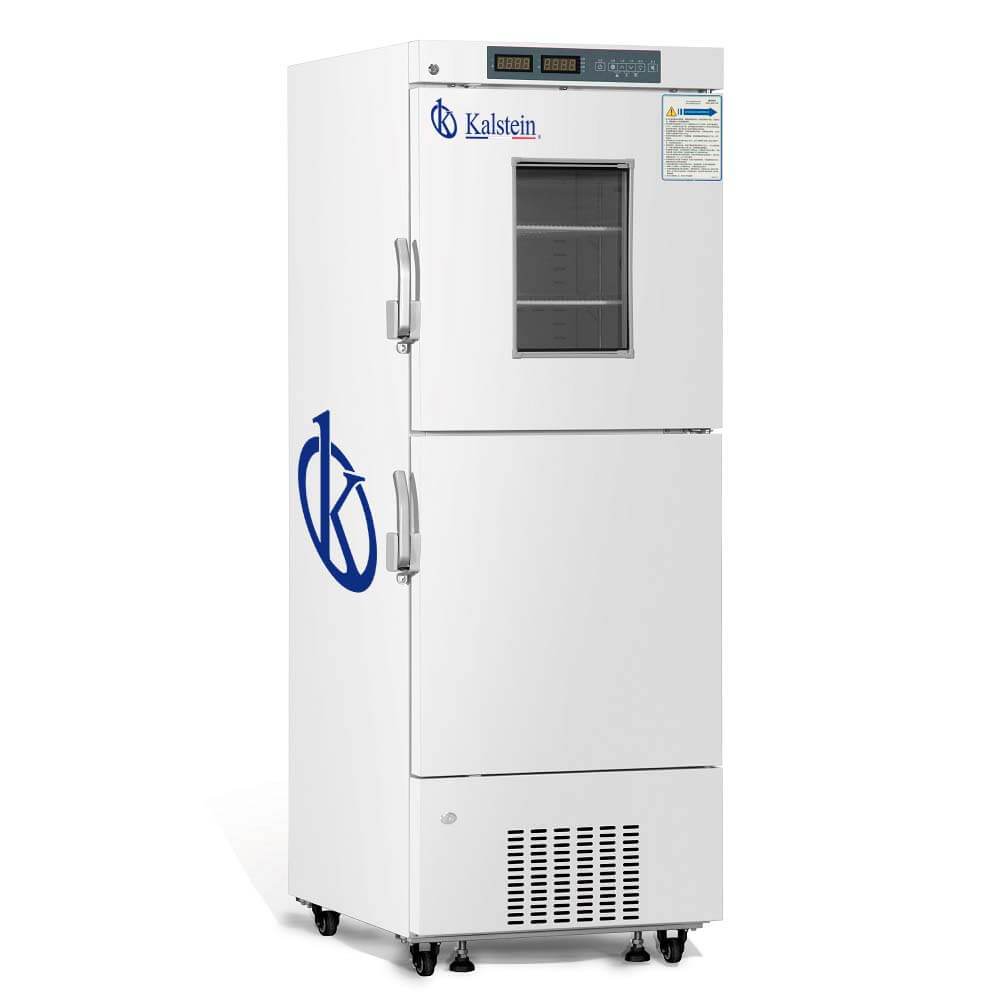
Maximizing ROI and Cost-Benefit Analysis for Combined Freezers in Laboratories
In laboratory settings, the choice of equipment often hinges not only on technical specifications but also on the potential return on investment (ROI) and overall cost-benefit analysis. For combined freezers, which are essential for storing biological materials and reagents, understanding these financial metrics can significantly influence purchasing decisions. This article delves into the various models available, their specific applications, and how they stack up against one another in terms of ROI and cost-effectiveness.
Understanding ROI in the Context of Combined Freezers
ROI is a critical metric that helps laboratories assess the profitability of their investments. It is calculated by comparing the net profit from the investment to the cost of the investment itself. For combined freezers, key factors affecting ROI include initial capital expenditure (CAPEX), operational costs (OPEX), and the lifespan of the equipment. In laboratory operations, ensuring efficient storage conditions can lead to reduced reagent waste, improved sample integrity, and better compliance with regulatory standards, all contributing to a favorable ROI.
Cost-Benefit Analysis Framework
A cost-benefit analysis (CBA) offers a structured approach to evaluate the economic feasibility of acquiring combined freezers. This involves assessing both direct costs, such as purchase prices and maintenance, and indirect costs, like the cost of potential sample loss due to improper storage conditions. Each model's performance in energy consumption, reliability, and maintenance frequency plays a crucial role in determining long-term operational savings.
Comparison of Available Models
| Model | CAPEX (USD) | Cost per Test (USD) | Payback Period (months) | Recommended Scenario |
|---|---|---|---|---|
| YR05320 | 1415.00 | Calculated based on typical usage | Varies by lab size | Ideal for plasma and blood storage |
| YR05321 | 1060.00 | Calculated based on typical usage | Varies by lab size | Best for dual-usage environments |
| YR05321-1 | 745.00 | Calculated based on typical usage | Varies by lab size | Budget-friendly for research labs |
Key Factors Impacting ROI for Combined Freezers
Several factors play a critical role in determining the ROI for combined freezers in laboratories. These include:
- Energy Efficiency: Choosing models with lower energy consumption rates, such as YR05321 which has an energy consumption of 3.03 kWh/24h, can significantly reduce operational costs.
- Maintenance Costs: Assessing the frequency and cost of maintenance required for each model can impact the total cost of ownership.
- Capacity and Utilization: Understanding the storage capacity and how it aligns with laboratory needs is crucial for maximizing the use of the equipment.
Common Mistakes and How to Avoid Them
Laboratories often make mistakes when selecting combined freezers that can adversely affect ROI. Here are a few common pitfalls:
- Neglecting Long-term Costs: Many buyers focus only on CAPEX rather than considering OPEX. It is vital to evaluate the total lifecycle cost of equipment, including energy and maintenance.
- Overestimating Needs: Laboratories should assess their actual storage needs to avoid purchasing oversized equipment, which can lead to wasted energy and resources.
- Ignoring Warranty and Support: Ensuring that the models selected come with robust warranty and support options can save costs in the long run during maintenance or repairs.
Frequently Asked Questions
How can I calculate ROI for my laboratory's combined freezer investment?
To calculate ROI, you can use the formula: (Net Profit from Investment - Cost of Investment) / Cost of Investment. For example, if you invest in YR05320 at $1415 and save $500 annually due to reduced reagent waste, your ROI would be calculated based on those figures.
What are the energy consumption rates for different combined freezers?
The YR05320 has an energy consumption of 4.15 kWh/24h, whereas YR05321 consumes 3.03 kWh/24h. Choosing a model with lower energy consumption can lead to significant savings over time.
What is the typical payback period for a combined freezer investment?
The payback period varies by laboratory size and usage, but on average, it can range from 6 to 18 months depending on the model selected and its operational efficiency, such as with YR05321.
Which combined freezer is best for plasma storage in a lab setting?
The YR05320 model is specifically designed for plasma and blood storage, featuring a dual cooling system that maintains optimal storage conditions.
What are the capabilities of the YR05321 combined freezer for laboratory use?
The YR05321 model features dual compartments with independent temperature control, making it suitable for laboratories that require different storage conditions for various materials.
How do I ensure the selected combined freezer meets regulatory standards?
Choosing models like YR05321 and YR05321-1, which are designed for medical applications, helps ensure compliance with necessary laboratory regulations and standards for biological materials.
What factors should I consider when performing a cost-benefit analysis for a combined freezer?
Key factors include initial purchase price, energy consumption, maintenance costs, and the potential for sample loss due to improper storage, which can directly impact lab operations.
How can I maximize the efficiency of my laboratory's combined freezer?
To maximize efficiency, regularly monitor temperature settings, perform scheduled maintenance, and train staff on proper usage protocols to ensure optimal performance of models like YR05320.
If you are looking for a fusion of innovation and quality, you have come to the right place. At Kalstein, we offer you the luxury of exploring our exclusive catalog of laboratory equipment. We manufacture every device to the highest standards of excellence. Our intuitive and seamless online purchasing channels are designed for your convenience, securing the most competitive prices. Hesitate no longer — we bring science to life, it is time to become part of our community.