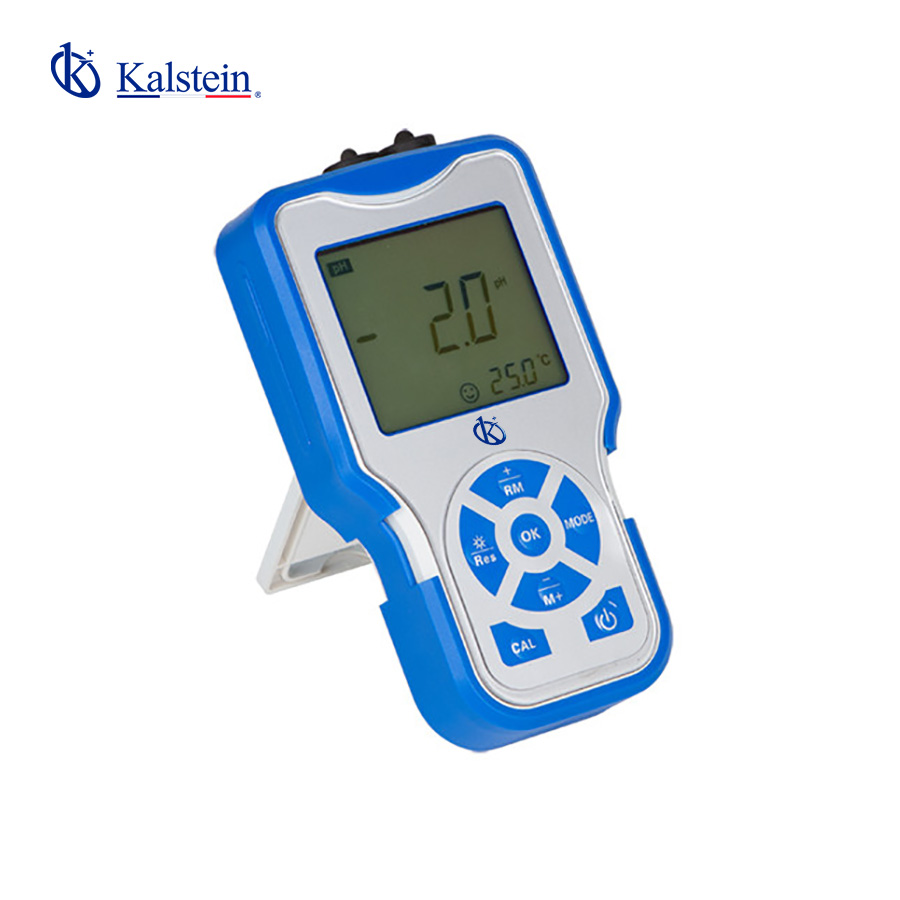
Maximizing ROI and Cost-Benefit Analysis for Portable Ion Meters
In laboratory environments, the choice of equipment plays a crucial role in operational efficiency and scientific accuracy. Portable ion meters, which allow researchers and technicians to measure ion concentrations with precision, are particularly valuable in various applications, including environmental monitoring, food safety, and laboratory research. This article focuses on how to evaluate the return on investment (ROI) and conduct a thorough cost-benefit analysis of portable ion meters, providing valuable insights for laboratory professionals.
Understanding the Importance of ROI in Laboratory Settings
Return on investment (ROI) is a critical metric that measures the profitability of an investment relative to its cost. In the context of laboratory equipment like portable ion meters, analyzing ROI helps professionals make informed decisions regarding equipment purchases. A higher ROI indicates that the equipment provides significant benefits relative to its cost, which is vital for budgeting and resource allocation.
When evaluating portable ion meters, it’s essential to consider various factors such as initial costs, ongoing operational expenses, and the equipment's lifespan. These components influence the overall financial performance of the equipment, affecting future budget planning and investment strategies.
Cost-Benefit Analysis: A Deep Dive into Portable Ion Meters
Conducting a cost-benefit analysis involves comparing the expected costs of ownership and operation of portable ion meters against the anticipated benefits. This process typically includes direct costs like purchase price, maintenance, and calibration, as well as indirect benefits such as enhanced efficiency, improved accuracy, and the potential to increase research output.
The following table illustrates the cost-benefit considerations for selected portable ion meters:
| Model | Initial Cost (USD) | Annual Operating Cost (USD) | Expected Lifespan (Years) | Estimated Benefits |
|---|---|---|---|---|
| YR01816 | 94.00 | 20.00 | 5 | Enhanced accuracy, ease of use |
| YR01817-1 | 229.00 | 30.00 | 7 | Wide measurement range, professional-grade |
| YR01817-10 | 500.00 | 40.00 | 10 | High precision, outdoor applications |
Analyzing the Total Cost of Ownership (TCO)
The total cost of ownership (TCO) includes the purchase price plus all associated costs throughout the product's lifecycle, such as maintenance, training, and operational costs. For portable ion meters, calculating TCO is essential to understand the long-term financial implications. By analyzing TCO, laboratory managers can identify the most cost-effective models that align with their operational needs.
For instance, while the YR01816 has a lower initial cost, higher precision considerations and maintenance costs associated with the YR01817-1 model might justify the investment over time. Understanding these nuances can lead to better purchasing decisions and enhanced lab performance.
Comparative Analysis of Portable Ion Meter Models
To further assist in decision-making, the following comparison table evaluates different portable ion meter models based on critical performance metrics.
| Model Code | Initial Cost (USD) | Accuracy | Calibration Points | Best Use Case |
|---|---|---|---|---|
| YR01816 | 94.00 | ± 0.002 pH | 2 to 5 | Laboratory and field use |
| YR01817-1 | 229.00 | ± 0.5% FS | 2 to 5 | Environmental monitoring |
| YR01817-10 | 500.00 | ± 0.5% FS | 2 to 5 | Field applications |
Common Mistakes and How to Avoid Them
When conducting ROI and cost-benefit analyses for portable ion meters, laboratory professionals often make critical mistakes that can skew results and lead to poor investments. Common pitfalls include:
- Ignoring Lifespan: Not accounting for the expected lifespan of the equipment can result in underestimating long-term costs.
- Overlooking Maintenance Costs: Failing to include regular maintenance fees can lead to unexpected expenses.
- Neglecting Training Needs: Inadequate training for users may diminish the potential benefits of the equipment.
By addressing these factors upfront, laboratories can better prepare for the financial realities of portable ion meters and optimize their investments.
Frequently Asked Questions
What factors should I consider when evaluating a portable ion meter for my laboratory?
When evaluating a portable ion meter, consider factors such as initial cost, expected lifespan, accuracy, and calibration capabilities. For instance, the YR01817-1 offers high accuracy at a moderate price, making it suitable for rigorous applications.
How can I calculate the ROI of a portable ion meter like the YR01816?
To calculate the ROI, divide the benefits gained from using the YR01816 by the total costs (initial and operational). If the benefits, such as increased accuracy and efficiency, outweigh the costs, the investment is justified.
What is the average lifespan of a portable ion meter in laboratory use?
The average lifespan of models like the YR01817-1 can range from 5 to 10 years depending on usage and maintenance practices. Regular calibration and care are essential for maximizing lifespan.
Which portable ion meter is best for outdoor applications and accuracy?
The YR01817-10 is designed specifically for outdoor applications, offering high precision of ± 0.5% FS. Its durability and features make it ideal for field use.
How do calibration points affect the performance of portable ion meters?
Calibration points, such as those available in the YR01816 (2 to 5 points), enhance accuracy across different ranges. More calibration points usually indicate better precision in diverse conditions.
What maintenance should I perform on portable ion meters for optimal performance?
Regular calibration, cleaning probes, and checking for wear and tear are crucial maintenance tasks for portable ion meters like the YR01817-1 to ensure optimal performance and accuracy.
How does the initial cost of a portable ion meter relate to its long-term value?
The initial cost can be offset by long-term value, including operational efficiency and reduced errors. For instance, the YR01817-1, while higher in initial cost, offers extensive features that can enhance lab productivity.
Why is it important to conduct a cost-benefit analysis for laboratory equipment?
Conducting a cost-benefit analysis helps laboratories identify the most cost-effective equipment by comparing expected benefits with associated costs. This ensures smarter spending on essential tools like portable ion meters.
If you are looking for a fusion of innovation and quality, you have come to the right place. At Kalstein, we offer you the luxury of exploring our exclusive catalog of laboratory equipment. We manufacture every device to the highest standards of excellence. Our intuitive and seamless online purchasing channels are designed for your convenience, securing the most competitive prices. Hesitate no longer — we bring science to life, it is time to become part of our community.