Understanding ROI and Cost-Benefit Analysis for Chemiluminescence Consumables in Laboratories
In the dynamic environment of laboratory operations, understanding the return on investment (ROI) and conducting thorough cost-benefit analyses are crucial, especially when it comes to consumables like chemiluminescence products. These items are integral for conducting reliable and efficient tests, and analyzing their economic impact on lab operations illuminates decision-making processes regarding procurement and usage.
Framing Chemiluminescence Consumables Through ROI and Cost-Benefit Analysis
Chemiluminescence consumables, including reaction cuvettes, washing solutions, substrates, and diagnostic strips, each play a pivotal role in clinical testing. An effective ROI and cost-benefit analysis framework allows laboratories to assess the financial viability of investing in these consumables. By evaluating factors such as purchase price, usage volume, and longevity, labs can make informed choices that enhance operational efficiency.
Comparison of Available Models
| Model | CAPEX (USD) | Cost per Test (USD) | Payback Period (Months) | Recommended Scenario |
|---|---|---|---|---|
| YRA400 | 30.00 | 0.03 | 12 | High throughput testing environments |
| YRA401 | 10.00 | 0.03 | 6 | Routine cleaning for various IVD analyzers |
| YRA402 | 22.00 | 0.04 | 15 | Quantitative ALP testing |
| YRA404 | 30.00 | 1.25 | 8 | Early pregnancy diagnosis and monitoring |
Quantifying ROI for Chemiluminescence Consumables
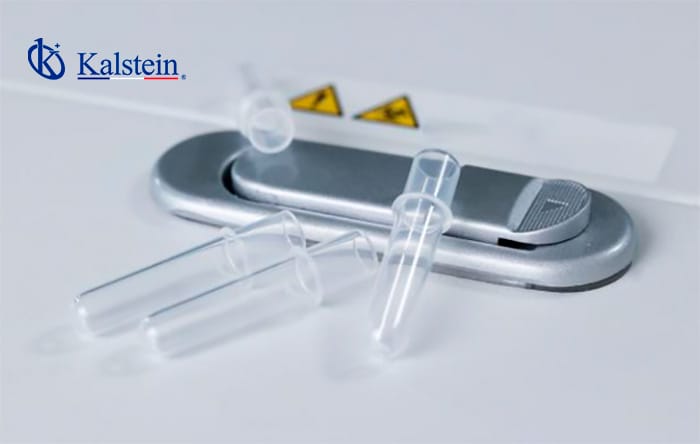
ROI calculation begins with identifying initial costs, which are referred to as capital expenditures (CAPEX). For example, the YRA400 Reaction Cuvette is priced at $30 per bag of 1000 pieces, while the System Washing Solution YRA401 costs $10 for 500 ml. By analyzing these costs against the volume of tests conducted, labs can determine the cost per test. For instance, using the YRA400 with a cost per test of approximately $0.03 illustrates how quickly investments can yield returns.
Comprehensive Cost-Benefit Analysis Techniques
A comprehensive cost-benefit analysis involves a detailed breakdown of both direct and indirect costs associated with each chemiluminescence consumable. This includes not just purchase price, but also costs related to storage, handling, and any waste disposal obligations. By assessing these factors alongside the anticipated benefits, such as improved accuracy in test results and reduced turnaround times, labs can measure the true economic impact of their consumables.
Common Mistakes and How to Avoid Them
When conducting ROI and cost-benefit analyses, laboratories often overlook indirect costs or fail to account for the long-term benefits of high-quality consumables. For example, investing in the YRA401 System Washing Solution, which enhances the cleaning process, might incur a higher initial cost but ultimately reduces reagent consumption and waste disposal expenses. Understanding the full scope of impact is essential to avoid miscalculating ROI.
Key Factors Influencing ROI in Laboratory Consumables
Several factors influence ROI in laboratory consumables, including test throughput, frequency of use, and the consumable’s reliability. For instance, high-quality substrates like the YRA402 are crucial for achieving precise measurements in ALP assays. The ability to consistently deliver reliable results translates into reduced repeat testing, ultimately enhancing laboratory productivity and cost efficiency.
Leveraging Data to Enhance Cost-Benefit Outcomes
The integration of data analytics tools can aid laboratories in refining their cost-benefit analyses. By tracking usage patterns and performance metrics for consumables like the YRA404 POCT Consumables Strips, labs can identify trends that inform future purchasing decisions. Utilizing software or LIMS can streamline this data collection process, leading to enhanced decision-making capabilities.
Frequently Asked Questions
How can I calculate the ROI for chemiluminescence consumables?
To calculate ROI for chemiluminescence consumables, consider initial costs such as the YRA400 Reaction Cuvette priced at $30 and the number of tests it can perform. Divide the total cost by the projected number of tests to find the cost per test, which helps in assessing overall profitability over time.
What are the key benefits of using the YRA401 System Washing Solution?
The YRA401 System Washing Solution, at $10 for 500 ml, ensures effective cleaning of analyzers, which enhances reagent lifespan and performance. This leads to a reduction in operational costs associated with frequent replacements, thus maximizing overall efficiency.
Which chemiluminescence consumable has the best cost per test?
The YRA400 Reaction Cuvette offers a competitive cost per test of approximately $0.03, making it an excellent choice for labs aiming to minimize operational costs while maintaining high throughput testing capacity.
How can data analytics improve the cost-benefit analysis of lab consumables?
Data analytics can significantly enhance cost-benefit analysis by providing insights into usage trends and performance metrics. For instance, tracking the effectiveness of the YRA404 POCT Consumables Strips can help labs optimize purchasing strategies and reduce waste.
What factors should be considered in a cost-benefit analysis for chemiluminescence consumables?
Key factors include initial purchase costs, frequency of use, reliability, and the impact on laboratory productivity. Using consumables like the YRA402 Substrate can lead to increased test accuracy, thereby reducing the need for repeat testing and associated costs.
How does improved accuracy in chemiluminescence tests affect ROI?
Improved accuracy reduces the likelihood of repeat tests, which lowers overall testing costs. For example, using the YRA402 Substrate leads to precise results, thereby enhancing laboratory efficiency and positively impacting ROI through decreased resource waste.
What are the hidden costs associated with chemiluminescence consumables?
Hidden costs may include storage, handling, and waste disposal of consumables. For instance, a lab that utilizes the YRA401 System Washing Solution may find that investing in high-quality cleaning solutions ultimately reduces long-term waste management expenses.
What operational scenarios best leverage chemiluminescence consumables?
High throughput testing environments benefit the most from chemiluminescence consumables, particularly when using models like the YRA400 and YRA404, which maximize testing efficiency and accuracy, thus improving lab productivity.
If you are looking for a fusion of innovation and quality, you have come to the right place. At Kalstein, we offer you the luxury of exploring our exclusive catalog of laboratory equipment. We manufacture every device to the highest standards of excellence. Our intuitive and seamless online purchasing channels are designed for your convenience, securing the most competitive prices. Hesitate no longer — we bring science to life, it is time to become part of our community.