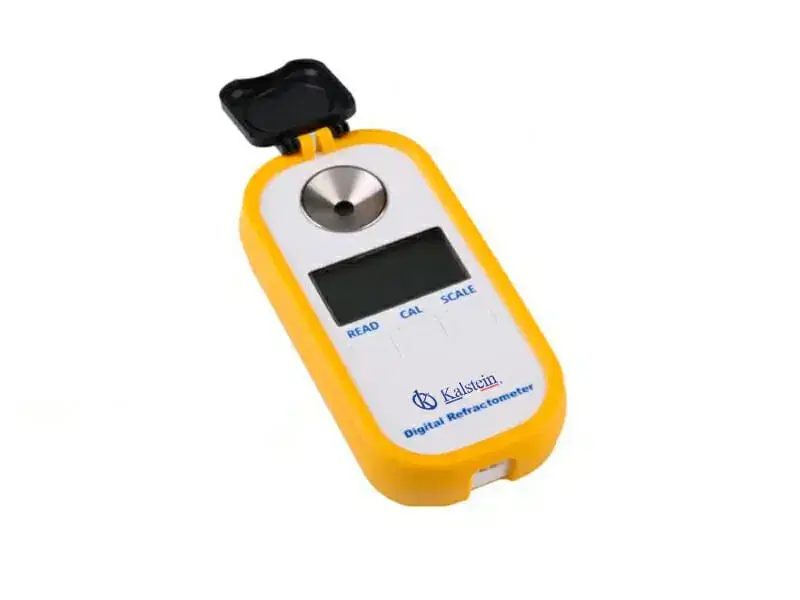
How to Analyze ROI and Cost-Benefit for Digital BRIX+ Salinity Refractometers
In laboratory settings, the choice of instrumentation can significantly influence operational efficiency and profitability. The Digital BRIX+ Salinity Refractometers are essential tools for various applications in food and beverage industries, as well as in research laboratories. This article will delve into the return on investment (ROI) and cost-benefit analysis of these refractometers, enabling professionals to make informed purchasing decisions.
Understanding Digital BRIX+ Salinity Refractometers
The Digital BRIX+ Salinity Refractometers are specialized instruments designed for measuring the concentration of soluble solids and salinity in aqueous solutions. Their applications range from food quality control to scientific research. These refractometers are equipped with automatic temperature compensation (ATC), which allows for accurate readings without manual adjustments, facilitating seamless measurement processes.
Key Advantages of Digital BRIX+ Salinity Refractometers
When assessing the ROI and cost-benefit of these instruments, several key advantages stand out. The precision of measurements, reduced reagent waste, and enhanced productivity contribute to the overall cost-effectiveness. For instance, the Digital BRIX Refractometer YR05961 offers a measurement range of 0-50% Brix with an accuracy of ±0.2%, making it ideal for high-accuracy applications.
Comparison of Available Models
| Model | Measurement Range | Minimum Division | Accuracy | ATC | Best Use |
|---|---|---|---|---|---|
| YR05961 | 0-50% Brix | 0.10% | ±0.2% | Yes | Fruit juice analysis |
| YR05962 | 0-280‰ Salinity | 0.10% | ±0.2% | Yes | Seawater testing |
| YR05963 | 0-280‰ Salinity | 1‰ | ±2‰ | Yes | Brine solutions |
| YR05964 | 1.000-1.217 Density | 0.001 | ±0.002 | Yes | Concentration measurements |
| YR05965 | 1.3330-1.4200 nD | 0.0001 nD | ±0.0003 nD | Yes | Optical measurements |
ROI Analysis for Digital BRIX+ Salinity Refractometers
Performing an ROI analysis involves evaluating both the initial costs and the long-term benefits associated with the Digital BRIX+ Salinity Refractometers. Considering factors such as acquisition costs, maintenance expenses, and productivity gains is essential. For example, with a purchase cost of approximately $76.00 per unit, laboratories can expect to recover their investment quickly through increased efficiency and reduced need for reagents.
Cost-Benefit Analysis Metrics
In the context of digital refractometers, relevant metrics include the cost per test, operational costs, and projected savings from improved accuracy. For instance, if a laboratory conducts 100 tests per day, the cost per test can be calculated based on the initial investment and operational costs over time, allowing a clear picture of the financial benefits.
Common Mistakes and How to Avoid Them
One common mistake when assessing refractometers is overlooking the importance of accuracy and reliability. Choosing models with poor precision can lead to inaccurate results, resulting in increased costs and potential regulatory issues. It is vital to select models such as YR05961 or YR05962 that provide high accuracy to ensure reliable operations.
Frequently Asked Questions
How can I calculate the ROI for a Digital BRIX Refractometer in my lab?
To calculate the ROI for a Digital BRIX Refractometer like the YR05961, consider the total cost of ownership including purchase price, maintenance, and operational costs over a defined period. Compare this to the cost savings from improved accuracy and reduced waste to derive a clear ROI figure.
What are the cost savings associated with using Digital BRIX+ Salinity Refractometers?
Cost savings can arise from reduced reagent usage and improved testing efficiency. For instance, the YR05962 model's accuracy minimizes errors in salinity readings, translating to fewer retests and lower operational costs in a typical laboratory setting.
Which model is best for measuring salinity in seawater?
The Digital BRIX Refractometer YR05962 is ideally suited for measuring salinity in seawater, providing accurate measurements across a range of 0-280‰. Its automatic temperature compensation feature ensures reliable results, essential for marine research applications.
How do I ensure compliance with industry standards using refractometers?
To ensure compliance, select models like the YR05961 or YR05962 that meet specific industry standards for accuracy and calibration. Regular calibration against traceable standards and maintaining proper documentation will further support compliance efforts in laboratory operations.
What operational cost factors should I consider for refractometers?
Key operational cost factors include maintenance, calibration frequency, and reagent consumption. Choosing precise models such as the YR05963 can minimize retesting costs and maximize testing throughput, enhancing overall operational efficiency.
How do Digital BRIX+ Salinity Refractometers impact laboratory productivity?
Digital BRIX+ Salinity Refractometers impact productivity by providing quick and accurate results. For example, the YR05964 allows for rapid density measurements, reducing the turnaround time for analyses and enabling laboratories to handle higher sample volumes effectively.
What are the best practices for using Digital BRIX+ Salinity Refractometers?
Best practices include regular calibration, proper cleaning, and following manufacturer guidelines. Utilizing models like YR05965, which have built-in ATC, can also enhance ease of use and improve measurement reliability across varying conditions.
If you are looking for a fusion of innovation and quality, you have come to the right place. At Kalstein, we offer you the luxury of exploring our exclusive catalog of laboratory equipment. We manufacture every device to the highest standards of excellence. Our intuitive and seamless online purchasing channels are designed for your convenience, securing the most competitive prices. Hesitate no longer — we bring science to life, it is time to become part of our community.