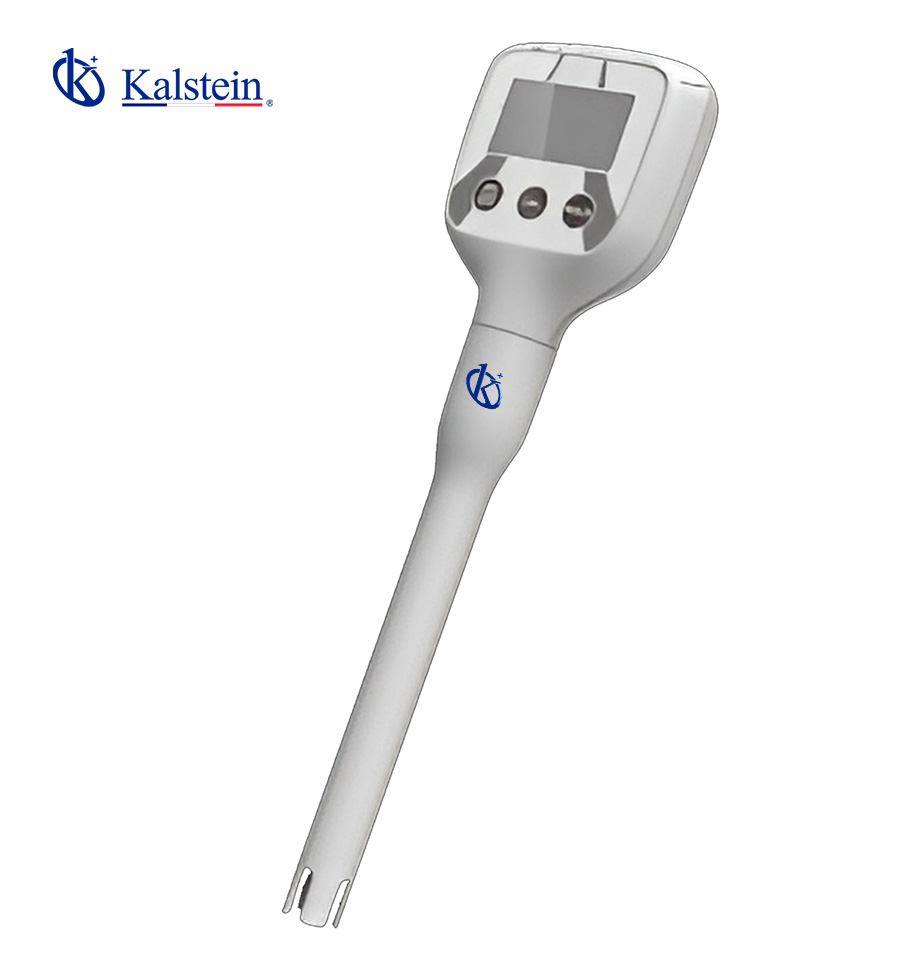
Understanding Return on Investment and Cost-Benefit Analysis for Portable Conductivity Meters
In today's competitive laboratory landscape, optimizing resources while ensuring accuracy and reliability is critical. Portable conductivity meters are essential tools in various applications, including water quality testing, environmental monitoring, and chemical analysis. This article delves into the concept of Return on Investment (ROI) and cost-benefit analysis specifically for portable conductivity meters, helping laboratory professionals make informed purchasing decisions.
Framing the Importance of ROI and Cost-Benefit Analysis
ROI and cost-benefit analysis (CBA) are essential methods for evaluating the financial implications of investing in laboratory equipment such as portable conductivity meters. Understanding these metrics helps laboratory managers justify expenditures and maximize the utility of their investments. This section will explore key components of ROI and CBA while emphasizing their applicability to laboratory settings.
What is Return on Investment (ROI) in Laboratory Equipment?
ROI is a financial metric used to evaluate the profitability of an investment by comparing the gain or loss generated relative to the amount invested. For portable conductivity meters, ROI can be calculated by considering the savings on operational costs, increased efficiency, and improved accuracy in measurements. By considering factors such as the cost per test, maintenance expenses, and potential revenue from enhanced analytical capabilities, lab managers can make data-driven decisions.
Cost-Benefit Analysis: Evaluating Financial Implications
Cost-benefit analysis provides a systematic approach to comparing the costs and benefits of acquiring portable conductivity meters. This method involves enumerating all costs associated with the purchase, maintenance, and operation of the meters, as well as quantifying the expected benefits in terms of improved data quality, time savings, and reduction in errors. A thorough CBA helps prioritize investments and identify the best models to fit specific laboratory needs.
Key Components of ROI and CBA in Portable Conductivity Meters
Analyzing ROI and CBA involves understanding several key components, including:
- Initial Purchase Cost (CAPEX)
- Operational Costs (OPEX)
- Calibration and Maintenance Costs
- Expected Lifespan and Depreciation
- Efficiency Gains and Time Savings
- Quality of Results and Accuracy
By systematically assessing these components, laboratory professionals can better evaluate which portable conductivity meters will deliver a favorable ROI.
Comparison of Available Models
| Model | Initial Cost (USD) | Calibration Points | Expected Lifespan (years) | Cost per Test (Estimate) |
|---|---|---|---|---|
| YR01805 | 24.00 | 1 | 3 | 0.50 |
| YR01806 | 149.00 | 1-3 | 5 | 0.75 |
| YR01808 | 59.00 | 1-3 | 4 | 0.60 |
| YR01809 | 62.00 | 1-3 | 4 | 0.65 |
| YR01810 | 65.00 | 1-3 | 4 | 0.70 |
| YR01811 | 50.00 | 1 | 3 | 0.55 |
Common Mistakes and How to Avoid Them
When evaluating portable conductivity meters, laboratories may encounter common pitfalls that can affect their ROI and overall investment. These include:
- Neglecting Total Cost of Ownership: Ensure to consider both initial costs and ongoing operational expenses for accurate ROI.
- Ignoring Calibration Needs: Understanding each model's calibration requirements is critical for maintaining accuracy and compliance.
- Underestimating Training Needs: Staff training can significantly impact the effective use of the equipment.
Being aware of these mistakes can lead to a more informed purchasing process and can prevent financial setbacks.
Frequently Asked Questions
What is the ROI for the YR01806 portable conductivity meter over three years?
The expected ROI for the YR01806, which costs $149.00, can be calculated by considering its lifespan of five years and expected operational savings from improved measurements. With a cost per test estimate of $0.75, over three years, this model saves approximately $1,000 in consumables and operational efficiencies.
How do the calibration points affect the cost-benefit analysis of portable conductivity meters?
Calibration points, such as those in the YR01806 (1-3 points), directly influence the accuracy and reliability of measurements. More calibration points may lead to better data quality, which enhances the cost-benefit profile by reducing errors and retests, ultimately saving operational costs.
What are the maintenance costs associated with the YR01810 portable conductivity meter?
Maintenance costs for the YR01810, which has a purchase price of $65.00, include periodic calibration and sensor replacements. On average, these costs can range from $10 to $30 annually, depending on usage, making it affordable for labs prioritizing accuracy.
How can I assess the quality of results from different portable conductivity meters?
To assess the quality of results, compare the accuracy specifications provided by manufacturers, such as the ±1% FS accuracy of the YR01809. Additionally, conducting routine comparisons between measurements of known samples can help validate performance and consistency.
Which model is best for high-volume laboratories focused on cost efficiency?
The YR01806 model is ideal for high-volume laboratories due to its advanced features and ability to perform multiple calibrations, which supports efficiency and reduces costs associated with inaccurate readings. Investing in this model can yield significant savings over time.
What factors influence the decision to buy a portable conductivity meter?
Factors influencing the purchase decision include initial price, calibration capabilities, operational costs, accuracy, and the specific needs of the laboratory. Models like the YR01808 offer a good balance between cost and functionality, making them suitable for versatile applications.
How often should I calibrate my portable conductivity meter for optimal performance?
It is recommended to calibrate portable conductivity meters at least once every month for optimal performance, especially for models like the YR01810 that support 1-3 point calibrations. Regular calibration ensures accuracy and compliance with industry standards.
What is the expected lifespan of a portable conductivity meter like the YR01811?
The YR01811 portable conductivity meter has an expected lifespan of approximately three years with proper care and calibration. Its robust design ensures reliability in various laboratory environments, making it a solid investment for TDS measurements.
If you are looking for a fusion of innovation and quality, you have come to the right place. At Kalstein, we offer you the luxury of exploring our exclusive catalog of laboratory equipment. We manufacture every device to the highest standards of excellence. Our intuitive and seamless online purchasing channels are designed for your convenience, securing the most competitive prices. Hesitate no longer — we bring science to life, it is time to become part of our community.