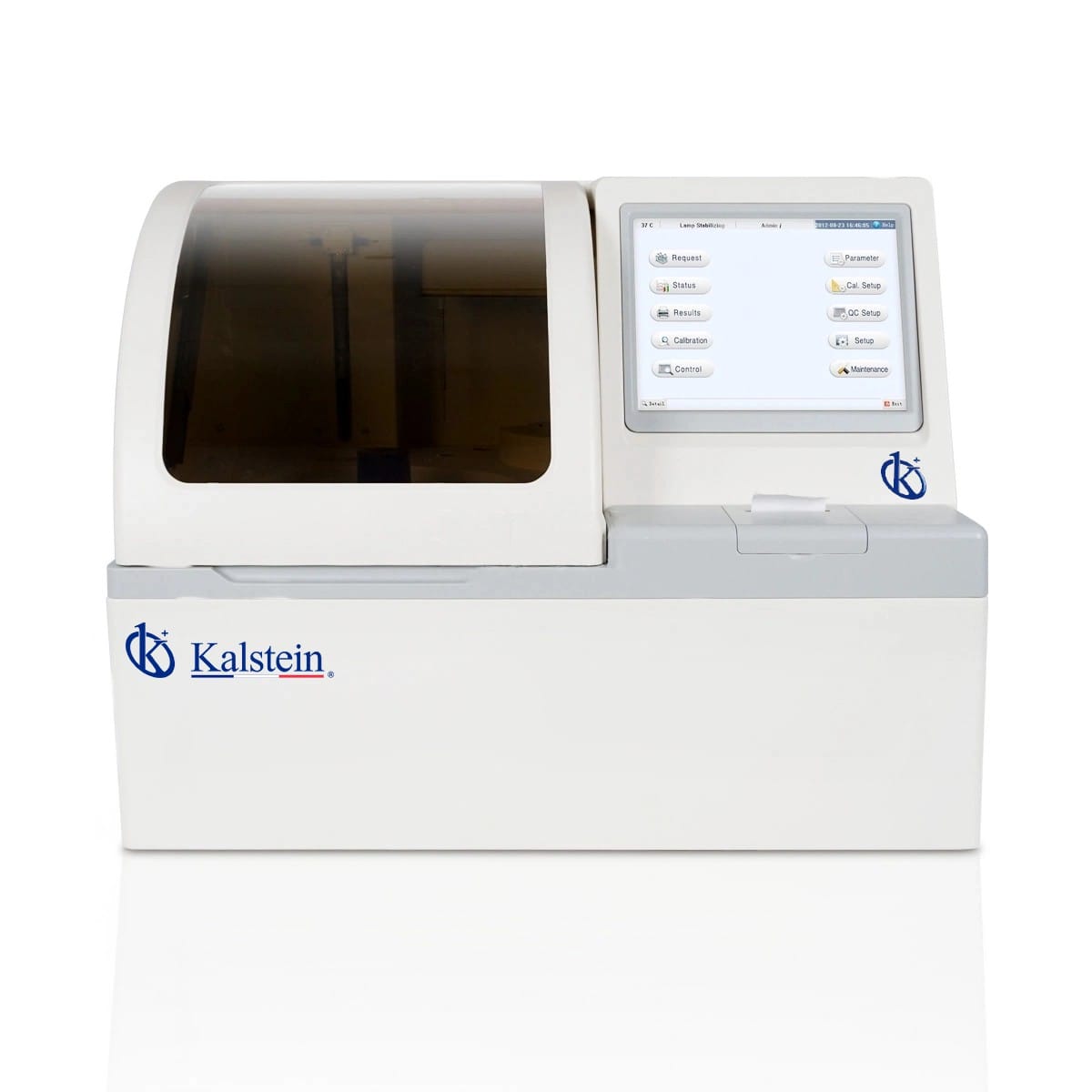
Evaluating ROI and Cost-Benefit Analysis for Veterinary Chemistry Analyzers
Veterinary chemistry analyzers play an essential role in modern veterinary practices, providing quick and accurate test results that are vital for the diagnosis and treatment of animals. As the market expands, veterinary laboratories must evaluate the return on investment (ROI) and conduct cost-benefit analyses to ensure financial viability. This article explores various models available in the veterinary chemistry analyzer subcategory, assessing their specifications, applications, and financial considerations.
Understanding ROI and Cost-Benefit Analysis in Veterinary Chemistry
ROI and cost-benefit analysis are crucial for veterinary laboratories as they assess the financial returns relative to the costs incurred in acquiring and operating veterinary chemistry analyzers. These frameworks help laboratories determine which models offer the best financial justification based on their specific operational needs, budget, and testing requirements.
Evaluating ROI involves calculating the net profit generated by the analyzer compared to its total cost over a given period. Meanwhile, a cost-benefit analysis compares the expected benefits of using the analyzer against the costs, determining whether the investment makes sense in the long run. Thus, these analyses enable veterinarians and laboratory managers to make informed purchasing decisions.
Essential Factors in ROI Calculation
Several key components influence the ROI calculations for veterinary chemistry analyzers, including:
- Initial Investment: The upfront cost of purchasing the analyzer, including any installation fees.
- Operating Costs: Recurring expenses such as reagents, maintenance, and labor associated with operating the analyzer.
- Revenue Generation: The income generated from tests performed using the analyzer over its operational lifespan.
- Time Efficiency: The increase in throughput due to faster test results reduces the time veterinarians spend waiting for results, allowing for more patients to be treated.
Key Cost-Benefit Metrics to Consider
When performing a cost-benefit analysis on veterinary chemistry analyzers, the following metrics are essential:
- Cost per Test: Understanding the per-test cost helps in calculating profitability for various tests.
- Payback Period: The time it takes for the savings generated by the analyzer to recover the initial investment.
- Operational Efficiency: Automation and reliability can lead to reduced labor costs and increased throughput.
Comparison of Available Models
| Model | CAPEX (USD) | Cost per Test (USD) | Payback Period (Months) | Recommended Scenario |
|---|---|---|---|---|
| YR06168 | 6800.00 | Variable, depending on reagents | 12 | High-volume clinics needing rapid results |
| YR06169 | 2000.00 | Low, around 5.00 | 8 | Mobile veterinary units or small practices |
| YR06172 | 700.00 | Moderate, about 3.00 | 6 | Small clinics requiring portable solutions |
| YR06174 | 6600.00 | Variable, 4.50 | 11 | Emergency animal care and critical diagnostics |
| YR06077 | 950.00 | Approximately 2.00 | 5 | Budget-conscious clinics with basic testing needs |
Common Mistakes and How to Avoid Them
When analyzing ROI and conducting cost-benefit analysis for veterinary chemistry analyzers, laboratories often make several common mistakes. Some of these include:
- Overlooking Hidden Costs: Including only the purchase price without considering maintenance, training, and consumables can lead to an inaccurate ROI assessment.
- Neglecting Future Needs: Failing to evaluate the scalability of the analyzer in response to increasing testing demands can result in future expenses for upgrading.
- Ignoring Financial Metrics: Not using appropriate financial metrics can lead to poor decision-making. Always include cost per test and payback periods in analyses.
Evaluating Performance Metrics
Performance metrics provide insights into the efficiency and effectiveness of veterinary chemistry analyzers. Metrics such as testing speed, accuracy, and reliability can indicate the analyzer's long-term utility:
- Testing Speed: The speed at which tests can be conducted and results obtained impacts the throughput of the laboratory.
- Accuracy and Precision: The reliability of test results is crucial for diagnosis and treatment outcomes.
- Ease of Use: User-friendly interfaces and training requirements can affect laboratory workflow.
Frequently Asked Questions
How can I calculate ROI for a veterinary chemistry analyzer?
To calculate ROI for a veterinary chemistry analyzer, such as the YR06168, consider its purchase price, operating costs, and the income generated from tests performed. Divide the net profit from the analyzer by its total cost and multiply by 100 to get the ROI percentage.
What are the typical costs per test for veterinary chemistry analyzers?
The cost per test for veterinary chemistry analyzers varies by model. For example, the YR06169 has a cost around 5.00 USD per test, while the YR06077 is approximately 2.00 USD. Factors like reagent prices also significantly influence these costs.
Which veterinary chemistry analyzer is best for small practices?
For small practices, the Portable Veterinary Chemistry Analyzer YR06169 is ideal due to its low cost, approximately 2000.00 USD, and ability to deliver quick results with minimal sample requirements, making it practical for limited space and budget.
How do I determine the payback period for my analyzer investment?
The payback period is determined by dividing the total cost of the analyzer by the monthly savings generated from its use. For instance, if the YR06174 costs 6600.00 USD and generates savings of 600.00 USD per month, the payback period would be approximately 11 months.
What metrics should I consider for a cost-benefit analysis?
In a cost-benefit analysis, consider metrics like initial investment, operating costs, revenue per test, and testing efficiency. These metrics, combined with specific models like the YR06172, help evaluate the overall financial viability of the investment.
What advantages does the YR06168 provide for veterinary practices?
The Automatic Veterinary Chemistry Analyzer YR06168 offers numerous advantages, including a performance rate of up to 100 tests per hour and a user-friendly setup, ideal for high-demand environments such as emergency veterinary clinics.
How do veterinary chemistry analyzers impact laboratory productivity?
Veterinary chemistry analyzers like the YR06174 can significantly enhance laboratory productivity by reducing turnaround times for tests, thereby increasing the number of patients treated and improving overall operational efficiency.
What should I look for in a veterinary chemistry analyzer?
When selecting a veterinary chemistry analyzer, consider factors such as cost per test, reliability, speed, user interface, and compatibility with existing laboratory systems. The YR06077 is a budget-friendly option that supports basic testing needs.
If you are looking for a fusion of innovation and quality, you have come to the right place. At Kalstein, we offer you the luxury of exploring our exclusive catalog of laboratory equipment. We manufacture every device to the highest standards of excellence. Our intuitive and seamless online purchasing channels are designed for your convenience, securing the most competitive prices. Hesitate no longer — we bring science to life, it is time to become part of our community.