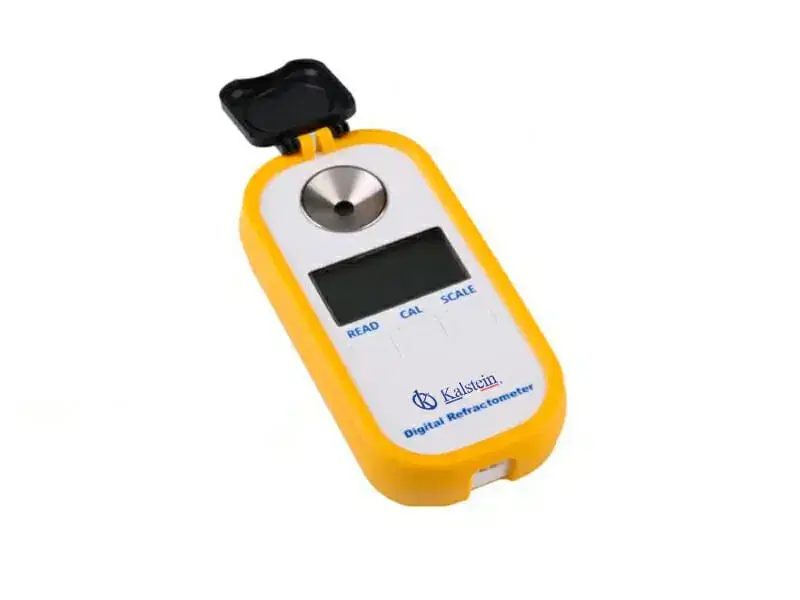
How to Ensure Safe Operation and Biosecurity Protocols for Digital BRIX Refractometers
In laboratory environments, the safe operation of equipment is paramount, especially when handling digital BRIX refractometers. These instruments, crucial for measuring the concentration of soluble solids in various aqueous solutions, demand stringent adherence to biosecurity protocols to protect operators and maintain compliance with safety standards. This article delves into effective strategies for implementing safety measures and biosecurity protocols specifically tailored for digital BRIX refractometers.
Understanding Biosecurity Protocols for Refractometer Use
Biosecurity refers to the measures taken to prevent the introduction and spread of harmful organisms in laboratory environments, particularly those that can cause health hazards to operators and contamination to samples. Digital BRIX refractometers, such as the YR05944 and YR05945 models, require protocols that ensure not only the accuracy of measurements but also the safety of personnel handling them. Implementing biosecurity measures, such as regular equipment decontamination and proper waste disposal, is essential.
Key Biosecurity Measures When Using Digital BRIX Refractometers
To maintain a safe laboratory environment while using digital BRIX refractometers, several key biosecurity measures should be observed:
- Personal Protective Equipment (PPE): Operators should wear appropriate PPE, including gloves, lab coats, and safety goggles, to minimize exposure to samples.
- Decontamination Procedures: Regular cleaning of the refractometer using approved disinfectants prevents cross-contamination between samples.
- Sample Handling Protocols: Use a pipette to transfer samples to prevent direct contact and ensure that all samples are clearly labeled to avoid accidental mix-ups.
- Training and Awareness: Operators should receive training on the correct use of refractometers and the importance of adhering to biosecurity protocols.
Operator Safety Measures for Digital BRIX Refractometers
In addition to biosecurity, operator safety measures are critical in laboratory settings. Digital BRIX refractometers, such as the YR05946 and YR05947 models, must be used in accordance with established safety guidelines to ensure the well-being of laboratory staff.
Establishing Safety Protocols
Laboratories should develop specific safety protocols that outline proper handling techniques, emergency procedures, and equipment operating guidelines. Regular safety audits can identify areas for improvement. Additionally, using refractometers with built-in safety features or alerts, such as the YR05948 model, can further enhance operator safety.
Emergency Response Planning
Each laboratory should have a comprehensive emergency response plan that includes procedures for dealing with spills, exposure incidents, and equipment malfunction. Operators should be familiar with these plans to act quickly and effectively in case of any accidents.
Comparison of Available Models
| Model | Measurement Range | Accuracy | ATC Temp Range | Best For |
|---|---|---|---|---|
| YR05944 | Brix: 0.0-50.0% | ±0.2% | 0-40°C | General sugar content measurement |
| YR05945 | Brix: 0.0-90.0% | ±0.2% | 0-40°C | High-sugar concentration solutions |
| YR05946 | Refractive Index: 1.3330-1.5177nD | ±0.0003nD | 0-40°C | Lab research requiring precise refractive measurements |
| YR05947 | Dextran: 0.0-10.6% | ±0.2% | 0-40°C | Dextran concentration analysis |
| YR05948 | Fructose: 0.0-68.9% | ±0.2% | 0-40°C | Fructose solutions measurement |
| YR05949 | Glucose: 0.0-59.9% | ±0.2% | 0-40°C | Glucose concentration testing |
Common Mistakes and How to Avoid Them
When using digital BRIX refractometers, common mistakes can lead to inaccurate readings and compromise safety. Here are a few prevalent issues and recommendations for avoiding them:
- Neglecting Calibration: Regular calibration ensures accuracy. Operators should follow the manufacturer’s guidelines on calibration schedules.
- Inadequate Cleaning: Failure to properly clean the refractometer can result in contamination. Always clean the measuring prism and surrounding areas after each use.
- Improper Sample Handling: Using unlabelled or contaminated samples can skew results. Ensure all samples are correctly labeled and handled with care.
Frequently Asked Questions
How can I ensure biosecurity when using my digital BRIX refractometer?
To ensure biosecurity while using your digital BRIX refractometer, adopt comprehensive protocols including the use of PPE, regular decontamination, and clear labeling of samples. Models like YR05945 are designed for high sugar concentrations, necessitating strict biosecurity measures to prevent contamination.
What are the safety protocols for operating a digital BRIX refractometer?
Safety protocols for operating a digital BRIX refractometer include wearing appropriate PPE, implementing regular equipment decontamination, and establishing emergency response plans. Operators using the YR05944 should familiarize themselves with these protocols to ensure safety.
Which digital BRIX refractometer model is best for high sugar concentrations?
The YR05945 model is specifically designed to measure Brix levels from 0.0 to 90.0%, making it ideal for high sugar concentration solutions. Adhering to biosecurity measures is crucial when handling such samples.
What cleaning measures should I take for my digital BRIX refractometer?
Cleaning your digital BRIX refractometer involves using a soft cloth and approved disinfectants on the prism and body to prevent cross-contamination. This is essential for models like YR05946, which require precise measurements to maintain accuracy.
How often should I calibrate my digital BRIX refractometer?
Calibration of your digital BRIX refractometer should be conducted regularly, as recommended by the manufacturer. For example, the YR05948 model should be calibrated before each use or whenever results appear inconsistent, to ensure measurement accuracy.
What are the main biosecurity risks when using digital BRIX refractometers?
Main biosecurity risks include cross-contamination between samples and exposure to hazardous substances. Implementing strict cleaning protocols and using PPE can mitigate these risks, particularly for models like YR05949 that analyze glucose concentration.
What is the recommended temperature range for digital BRIX refractometers?
The recommended temperature range for most digital BRIX refractometers, including the YR05946, is between 0-40°C. Operating outside this range can affect accuracy and safety during measurements.
How do digital BRIX refractometers contribute to operator safety?
Digital BRIX refractometers contribute to operator safety by incorporating automatic temperature compensation and clear operational guidelines. Models like YR05947 help minimize risks by providing accurate measurements that prevent mishandling of hazardous solutions.
To ensure optimal performance and compliance with safety standards, laboratories should invest in high-quality digital BRIX refractometers and adhere to strict biosecurity protocols. If you are looking for a fusion of innovation and quality, you have come to the right place. At Kalstein, we offer you the luxury of exploring our exclusive catalog of laboratory equipment. We manufacture every device to the highest standards of excellence. Our intuitive and seamless online purchasing channels are designed for your convenience, securing the most competitive prices. Hesitate no longer — we bring science to life, it is time to become part of our community.