Salinity Refractometers: Common Mistakes and How to Avoid Them in Daily Operation 2026
What is it used for in 2026
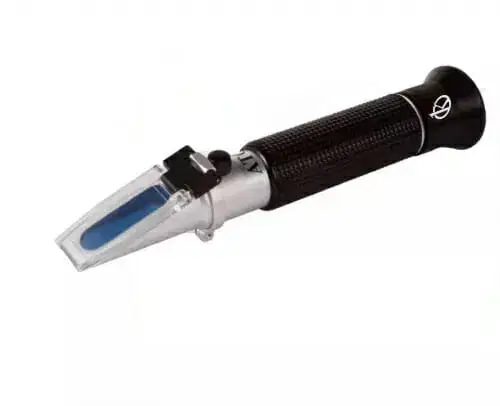
Salinity refractometers are precision instruments designed to measure the concentration of salt in water. They are widely used in various fields, including marine biology, aquaculture, food processing, and environmental monitoring. In 2026, these instruments play a critical role in ensuring quality control in laboratories and industries that deal with saline solutions. Their applications range from testing seawater for aquariums to monitoring brine solutions in food production.
History and evolution of the technology
The technology behind refractometers dates back to the 19th century when it was used primarily in laboratories for optical measurements. The salinity refractometer, specifically, evolved to meet the needs of researchers and industries requiring accurate measurements of salinity levels in various solutions. Over the years, advancements in optics and materials have led to the development of highly accurate and portable models, making them essential tools for modern scientists.
How to use it step by step
Using a salinity refractometer involves several straightforward steps:
- Preparation: Ensure the refractometer is clean and calibrated. If necessary, use distilled water to perform a zero-point calibration.
- Sample Collection: Collect a sample of the solution to be tested, ensuring it is free of contaminants that could affect the measurement.
- Applying the Sample: Place a few drops of the sample on the prism of the refractometer.
- Closure: Close the cover plate gently to avoid air bubbles.
- Reading the Measurement: Look through the eyepiece to read the scale. Record the salinity or specific gravity indicated.
- Cleaning: Clean the prism with distilled water after use to prevent cross-contamination.
Best techniques and protocols
To ensure accurate measurements and prevent common errors, follow these best practices:
- Always calibrate your refractometer before use, especially if it's been moved or stored for an extended period.
- Use distilled water for calibration to avoid any impurities that may skew results.
- Handle the instrument gently to avoid damaging the prism or internal components.
- Ensure the sample temperature is within the specified range of the refractometer, as temperature variations can affect the readings.
- Regularly check and clean the optical surfaces to maintain clarity and accuracy.
Practical applications by laboratory type
Salinity refractometers find applications across various laboratory settings:
- Aquaculture: Used to monitor salt levels in fish farms to maintain optimal living conditions.
- Marine Biology: Essential for studying marine ecosystems and organisms that thrive in specific salinity ranges.
- Food Industry: Employed in the production of salted products to ensure proper salinity levels are achieved for preservation and flavor.
- Environmental Monitoring: Utilized in assessing salt levels in natural water bodies to monitor ecological changes.
Regulations, standards and certifications
Laboratories using salinity refractometers must adhere to various standards and regulations depending on their industry. These may include:
- ISO standards for laboratory testing equipment.
- GLP (Good Laboratory Practice) guidelines to ensure quality and reliability in testing.
- Industry-specific regulations that govern the acceptable salinity levels for certain applications.
Comparison with alternative technologies
While salinity refractometers are widely used, alternative technologies include:
- Conductivity Meters: Measure the electrical conductivity of a solution, which correlates with salt concentration but may not provide specific salinity readings.
- Hydrometers: Measure the density of liquids but require temperature corrections and are less precise than refractometers.
- Digital Salinity Meters: Offer electronic readings and sometimes additional features, but may be more expensive and require batteries.
Comparison of available models
| Model | Best for | Key specs | Recommended use case |
|---|---|---|---|
| YR05887 | Testing NaCl levels | Salinity: 2-4% (20-40ppt), Specific Gravity: 1.015-1.030 | Monitoring salt concentration in marine environments |
| YR05888 | Versatile salinity measurement | Salinity: 0-4% (0-40ppt), Specific Gravity: 1.000-1.030 | Quality control in food processing |
| YR05913 | Marine biology research | Salinity: 2-4% (20-40ppt), Specific Gravity: 1.015-1.030 | Researching ecological impacts of salinity |
| YR05914 | Environmental monitoring | Salinity: 0-4% (0-40ppt), Specific Gravity: 1.000-1.030 | Assessing salinity in natural water systems |
Common mistakes and how to avoid them
Here are some common mistakes made when using salinity refractometers and how to avoid them:
- Failing to calibrate: Always calibrate the instrument to ensure accurate results.
- Using contaminated samples: Ensure samples are clean and representative of what is being tested.
- Not cleaning the prism: Residue on the prism can alter readings; always clean it after use.
- Ignoring temperature effects: Be aware of how temperature may impact your readings and adjust accordingly.
- Inaccurate readings due to poor lighting: Ensure you are in a well-lit area when taking measurements for better visibility.
Maintenance, calibration and good practices 2026
Regular maintenance and proper calibration are vital for the longevity and accuracy of salinity refractometers:
- Perform calibration with standard solutions regularly.
- Inspect for any physical damage or wear on the optical surfaces.
- Store the refractometer in a protective case when not in use.
- Keep the device away from extreme temperatures and direct sunlight.
- Document maintenance and calibration activities to track performance over time.
Cost-benefit analysis 2026
When considering salinity refractometers, it's important to evaluate their cost against the benefits:
- Initial Investment: While the upfront cost may be significant, the return on investment can be substantial due to the accuracy and reliability of measurements.
- Operational Efficiency: Accurate salinity readings can prevent costly mistakes in processes like aquaculture and food production, ensuring products meet regulatory requirements.
- Long-term Savings: Investing in a high-quality refractometer can reduce the frequency of errors and associated penalties, ultimately saving money over time.
Frequently asked questions
What should I consider when choosing a salinity refractometer?
When selecting a salinity refractometer, consider the measurement range, accuracy, ease of use, and whether it has features like automatic temperature compensation.
How often should I calibrate my refractometer?
It is recommended to calibrate your refractometer before each use or at least once a day for critical applications to ensure accuracy.
Can I use my refractometer for other types of liquids?
While refractometers are designed for salinity measurements, some models can be used for other solutions. However, always check the specifications to ensure compatibility.
What is the best temperature range for using a salinity refractometer?
Most salinity refractometers operate best within a temperature range of 10-30°C (50-86°F). Always consult the manufacturer’s specifications for optimal performance.
How do I clean my salinity refractometer?
Use distilled water and a soft cloth or tissue to gently clean the optical surfaces after use. Avoid using abrasive materials that could scratch the prism.
Where can I request a quote for a salinity refractometer?
You can request a quote on Kalstein Plus for a variety of salinity refractometers tailored to your laboratory needs.
What are the signs of a malfunctioning refractometer?
Common signs include inconsistent readings, difficulty focusing, and visible damage to the optical components. If these occur, consider recalibrating or servicing the instrument.
If you are looking for a fusion of innovation and quality, you have come to the right place. At Kalstein, we offer you the luxury of exploring our exclusive catalog of laboratory equipment. We manufacture every device to the highest standards of excellence. Our intuitive and seamless online purchasing channels are designed for your convenience, securing the most competitive prices. Hesitate no longer — we bring science to life, it is time to become part of our community.