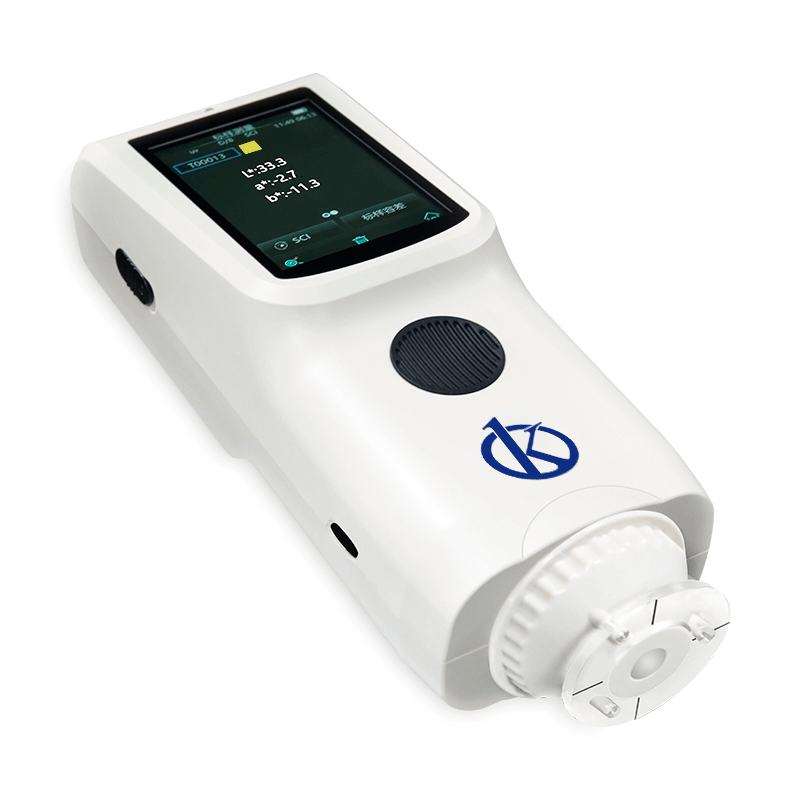
Spectrocolorimeters: Practical Applications and Techniques 2026
Spectrocolorimeters are essential instruments in various laboratory settings for accurate color measurement and analysis. This article explores what they are used for, their history, how to use them, best practices, practical applications, and much more for 2026.
What is it used for in 2026
In 2026, spectrocolorimeters are widely used in industries such as paints and coatings, plastics, textiles, and food. Their primary function is to measure the color of materials accurately, ensuring quality control and consistency in production. They can help in assessing color differences, matching colors, and ensuring compliance with industry standards.
History and evolution of the technology
The evolution of color measurement technology has transitioned from simple visual assessments to sophisticated electronic devices. The introduction of spectrocolorimeters revolutionized colorimetry by providing objective and precise measurements. Over the years, advancements in sensor technology and data processing have enhanced their accuracy and usability, making them vital tools in modern laboratories.
How to use it step by step
- Prepare the Sample: Ensure the sample to be measured is clean and free from any surface contaminants.
- Calibrate the Device: Before use, calibrate the spectrocolorimeter according to the manufacturer's instructions to ensure accurate readings.
- Select Measurement Mode: Choose the appropriate measurement mode (SCI or SCE) based on your application needs.
- Position the Sample: Place the sample in the measurement area, ensuring it is stable and correctly aligned with the instrument.
- Initiate Measurement: Start the measurement process, allowing the instrument to analyze the color parameters.
- Record and Analyze Data: Once the measurement is complete, record the data presented by the spectrocolorimeter for further analysis.
Best techniques and protocols
To ensure the best results with spectrocolorimeters, follow these techniques:
- Regular calibration and maintenance of the device.
- Use standardized lighting conditions to reduce variability in color perception.
- Employ multiple measurements to account for any inconsistencies.
- Document all measurements and conditions to track performance over time.
Practical applications by laboratory type
Different laboratories utilize spectrocolorimeters in various ways:
- Paint Laboratories: For color matching and quality control of paints and coatings.
- Plastic Manufacturing: To ensure the consistency of colors in plastic products.
- Textile Industry: For evaluating and matching colors in fabrics and dyes.
- Food Industry: In assessing the color quality of food products, crucial for consumer acceptance.
Regulations, standards and certifications
In 2026, adherence to international standards is critical. Spectrocolorimeters must comply with regulations such as ISO 7724-1, ASTM E1164, and CIE No.15, ensuring reliable and reproducible measurements across industries.
Comparison with alternative technologies
While spectrocolorimeters offer precision, alternative technologies like colorimeters and visual assessment methods can also be employed. However, they often lack the accuracy and detail provided by spectrocolorimeters, making the latter a preferred choice for quality-sensitive applications.
Comparison of available models
| Model | Best for | Key specs | Recommended use case |
|---|---|---|---|
| YR05516 | High-level color difference analysis | Price: $2570.00 | Precision color measurement in quality control of electronics, plastics, and paints. |
| YR05517 | Adaptable color measurement | Price: $1838.00 | Used for measuring colors in various industrial applications. |
| YR05518 | Textile and dye color assessment | Price: $935.00 | Ideal for quality control in textiles, paints, and inks. |
| YR05519 | Comprehensive color analysis | Price: $623.00 | Effective in color measurement for ceramics and various industries. |
Common mistakes and how to avoid them
Avoid these common mistakes to ensure accurate results:
- Not calibrating the device regularly.
- Using contaminated or improperly prepared samples.
- Failing to follow correct measurement protocols.
- Overlooking the environmental conditions during measurement.
Maintenance, calibration and good practices 2026
Regular maintenance is crucial for optimal performance. This includes:
- Calibrating the spectrocolorimeter at the start of each day.
- Cleaning the optical components regularly to avoid contamination.
- Storing the instrument in a controlled environment to prevent damage.
Cost-benefit analysis 2026
Investing in a spectrocolorimeter presents a favorable cost-benefit ratio for laboratories. The precision and reliability of color measurement can lead to significant cost savings in quality control processes, reducing waste and improving product consistency.
Frequently asked questions
What should I consider when choosing a spectrocolorimeter?
Consider factors like measurement range, accuracy, and the specific industry requirements. Evaluate the models available and choose one that meets your laboratory's needs.
How often should I calibrate the spectrocolorimeter?
Calibration should be performed at least once a day before measurements and whenever the instrument is moved or exposed to different environmental conditions.
Can I use a spectrocolorimeter in outdoor conditions?
It is recommended to use the device in controlled environmental conditions to avoid variations in light and temperature that can affect measurement results.
What types of samples can be measured with a spectrocolorimeter?
You can measure a wide range of samples, including solids, liquids, and powders, as long as they are properly prepared for measurement.
How can I ensure consistency in color measurements?
Ensure consistent lighting conditions, use standardized measurement protocols, and verify calibrations before each use.
What are the benefits of using a spectrocolorimeter over a traditional colorimeter?
Spectrocolorimeters provide more detailed and specific color measurements, allowing for a higher level of accuracy and reliability, which is essential in industries where color quality is critical.
If you are looking for a fusion of innovation and quality, you have come to the right place. At Kalstein, we offer you the luxury of exploring our exclusive catalog of laboratory equipment. We manufacture every device to the highest standards of excellence. Our intuitive and seamless online purchasing channels are designed for your convenience, securing the most competitive prices. Hesitate no longer — we bring science to life, it is time to become part of our community.