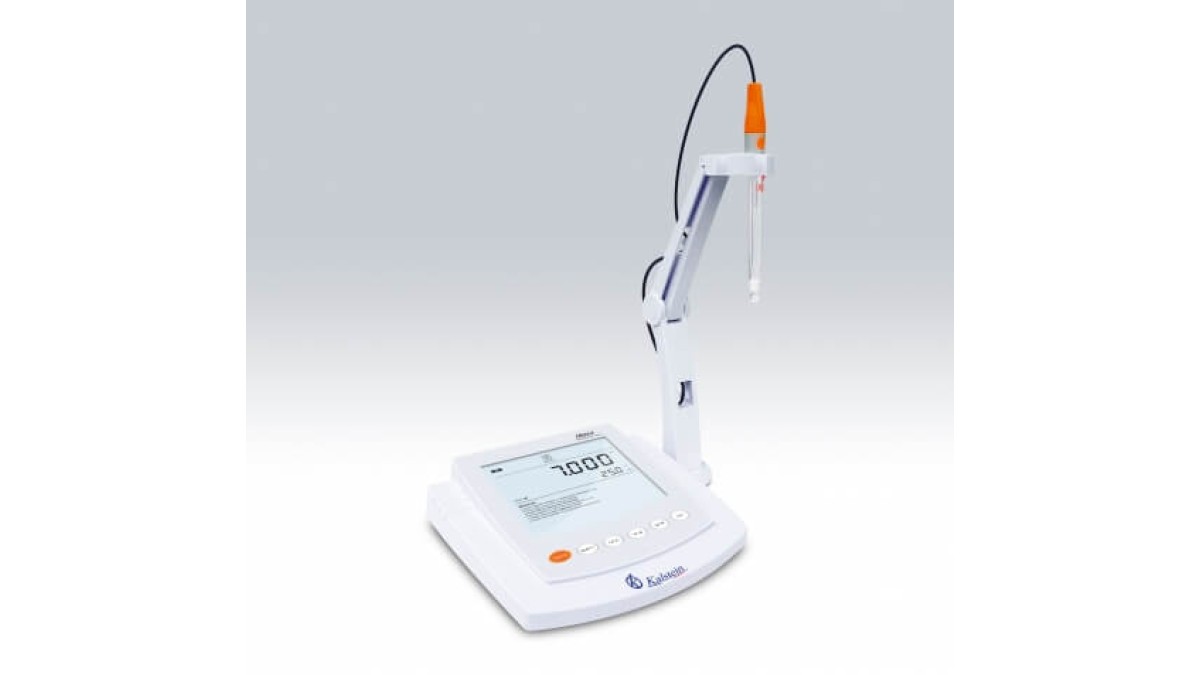
Table Conductivity Controllers: Best Techniques and Protocols 2026
What is it used for in 2026
Table conductivity controllers are essential tools in laboratories, primarily used for measuring the conductivity of various solutions. This capability is crucial in numerous applications, including water quality analysis, chemical processing, and environmental monitoring. In 2026, their applications extend to advanced research in biotechnology and pharmaceuticals, where precise control and measurement of solution conductivity are vital for experiment accuracy and reliability.
History and evolution of the technology
The technology behind table conductivity controllers has evolved significantly over the years. Originally, these devices were basic analog meters, relying on simple resistance measures to estimate conductivity. With the advent of digital technology, modern conductivity meters now feature microprocessors and sophisticated algorithms that enhance their accuracy and usability. Innovations such as automatic temperature compensation (ATC) and advanced calibration techniques have further improved the measurement process, making them a staple in modern laboratories.
How to use it step by step
Using a table conductivity controller involves several straightforward steps:
- Prepare the Sample: Ensure that the solution to be measured is well-mixed and at a stable temperature.
- Calibrate the Meter: Perform a calibration before measurement using standard conductivity solutions.
- Insert the Electrode: Place the conductivity probe into the sample, ensuring it is fully submerged.
- Record the Reading: Wait for the reading to stabilize before noting the conductivity value displayed on the meter.
- Clean the Electrode: After use, rinse the electrode with distilled water to avoid contamination for future measurements.
Best techniques and protocols
To achieve accurate and reliable measurements, follow these best practices:
- Use high-quality, calibrated solutions for meter calibration.
- Regularly clean the electrodes to prevent fouling.
- Ensure the temperature of the sample is consistent, as temperature fluctuations can affect conductivity readings.
- Store the conductivity meters in a proper environment to maintain their functionality and lifespan.
- Document every measurement meticulously to track trends and anomalies.
Practical applications by laboratory type
Different laboratory types utilize table conductivity controllers for various applications:
- Environmental Laboratories: Conductivity meters are used to test water quality in rivers and lakes.
- Chemical Laboratories: They are essential for monitoring the conductivity of chemical solutions in reaction processes.
- Biotechnology Laboratories: Used for assessing the quality of media and solutions used in cell culture.
- Food and Beverage Laboratories: To ensure the purity of water and ingredients, conductivity is a critical factor.
Regulations, standards and certifications
Laboratories must adhere to certain regulations and standards when using conductivity meters. Compliance with ISO 17025 for testing and calibration laboratories is essential. Additionally, calibration standards outlined by ASTM and other relevant organizations should be strictly followed to guarantee measurement accuracy. Certifying meters according to industry standards ensures reliability and trust in measured results.
Comparison with alternative technologies
While table conductivity controllers are widely used, other technologies such as portable conductivity meters and sensor-based systems are also available. Each alternative has its advantages and disadvantages:
- Portable Meters: Great for fieldwork but may lack the accuracy of benchtop instruments.
- Sensor-Based Systems: Ideal for continuous monitoring in automated settings but can be more expensive and complex.
Comparison of available models
| Model | Best for | Key specs | Recommended use case |
|---|---|---|---|
| YR01836-1 | Multi-parameter analysis | pH range: -2.000 to 20.000 pH; Conductivity range: 0.01 to 2000 mS/cm | Laboratories needing pH and conductivity measurements simultaneously |
| YR01836 | Advanced laboratory settings | pH range: (-2 ~ 19.999)pH; Conductivity range: 0.00~20.00 mS/cm | Research requiring precise calibration and data logging |
| YR01829-1 | Routine measurements | Conductivity range: 0.01 to 2000 µS/cm; Accuracy: ±1% FS | Daily quality control in manufacturing setups |
| YR01829-2 | Routine measurements | Conductivity range: 0.01 to 2000 µS/cm; Accuracy: ±1% FS | Similar to YR01829-1, but with minor feature updates |
| YR01829 | High-resolution analysis | pH range: (-1.999 ~ 19.999)pH; Resolution: 0.001 pH | High precision applications requiring detailed readings |
| YR01828 | Versatile conductivity measurements | Conductivity range: (0.00~20.00)μS/cm to (200~2000)μS/cm | Comprehensive testing in various environmental samples |
Common mistakes and how to avoid them
Several common mistakes can lead to inaccurate conductivity measurements:
- Inadequate Calibration: Always calibrate using fresh and appropriate buffer solutions.
- Electrode Contamination: Rinse probes thoroughly after each use.
- Ignoring Temperature Effects: Always compensate for temperature variations.
- Using Incorrect Measurement Techniques: Follow the manufacturer's instructions for optimal performance.
Maintenance, calibration and good practices 2026
Regular maintenance includes cleaning the electrodes, recalibrating every six months, and performing function checks. Additionally, ensure that all software and firmware are updated to maintain operational efficiency. Implementing a log to track calibration dates and maintenance performed is also a good practice.
Cost-benefit analysis 2026
Investing in table conductivity controllers is justified by their ability to provide consistent and accurate measurements, which are critical for quality control in laboratories. While initial costs may seem high, the benefits of improved accuracy, time saved in measurements, and reduced waste in experiments make them a valuable asset in any laboratory environment.
Frequently asked questions
What is the best way to calibrate a table conductivity controller?
The best way to calibrate a conductivity meter is to use fresh standard calibration solutions that are within the range of expected measurements. Follow the manufacturer's specific instructions for calibration points.
How often should I calibrate my conductivity meter?
It is recommended to calibrate your conductivity meter at least every six months, or more frequently if used in critical measurements or under varying operational conditions.
Can I use any solution for calibration?
No, calibration should only be performed using certified standard solutions that are traceable to appropriate standards to ensure accuracy.
What are the signs that my conductivity meter needs maintenance?
Indicators include inconsistent readings, slow response times, and visible contamination on the electrode tip. If these issues arise, immediate cleaning and calibration should be performed.
Is temperature compensation important when measuring conductivity?
Yes, temperature compensation is crucial because the conductivity of solutions varies with temperature. Most modern meters automatically adjust for temperature, but it is important to ensure this feature is functioning correctly.
Can I use a conductivity meter in the field?
While table conductivity meters are designed for laboratory use, portable models are available for fieldwork. Ensure the model you choose is suitable for your intended application.
Where can I find more information or request a quote?
For more information or to request a quote, please visit our website and explore our range of products and services.
If you are looking for a fusion of innovation and quality, you have come to the right place. At Kalstein, we offer you the luxury of exploring our exclusive catalog of laboratory equipment. We manufacture every device to the highest standards of excellence. Our intuitive and seamless online purchasing channels are designed for your convenience, securing the most competitive prices. Hesitate no longer — we bring science to life, it is time to become part of our community.