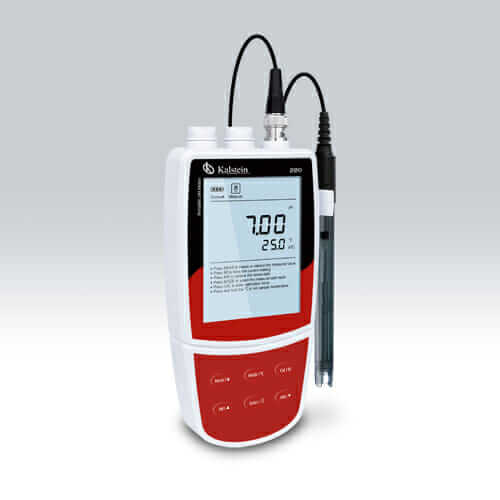
Table pH Meters: LIMS Integration and Data Flow Digitalization in 2026
As laboratories evolve in their quest for efficiency and accuracy, the roles of table pH meters are becoming increasingly crucial. In 2026, LIMS (Laboratory Information Management Systems) integration and the digitalization of data flows are defining trends that are shaping laboratory processes. This article will explore how different models of table pH meters align with these technological advancements, enhancing laboratory operations while ensuring compliance and data integrity.
Understanding the Role of Table pH Meters in a Digital Lab Environment
Table pH meters are essential tools used to measure the acidity or alkalinity of solutions in various laboratory settings. In today’s laboratories, where data accuracy and speed are paramount, the integration of these devices with LIMS plays a significant role. LIMS integration facilitates seamless data transfer, enabling real-time monitoring of pH levels and automating documentation processes. This ensures compliance with regulatory standards while enhancing workflow efficiency.
Key Features of Modern Table pH Meters for LIMS Integration
Modern table pH meters come equipped with features that enhance their compatibility with LIMS. Functions such as automatic calibration, temperature compensation, and data storage capabilities allow these devices to communicate effectively with laboratory management software. This integration promotes a streamlined workflow, reduces the risk of human error, and ensures that data is readily accessible for analysis.
Best Practices for Implementing LIMS Integration with Table pH Meters
To effectively implement LIMS integration, laboratories should follow best practices such as defining clear protocols for data entry, ensuring compatibility of devices, and conducting regular training for staff on software usage. It is also advisable to maintain an updated inventory of calibration standards and regularly audit the system for compliance with quality assurance protocols.
Comparison of Available Models
| Model | Connectivity | Protocols Supported | Integration Effort | Best For |
|---|---|---|---|---|
| YR0220A | USB | ASTM, custom | Moderate | General lab applications |
| YR01822 | Bluetooth, USB | NIST, USA, China | Low | Mobile labs |
| YR01825 | USB | ASTM, custom | Moderate | High-throughput labs |
| YR01823-2 | USB | NIST, USA, custom | High | Precision-required applications |
| YR01823 | Bluetooth, USB | NIST, USA, China | Low | Educational institutions |
| YR01826 | USB | NIST, custom | Moderate | Field testing |
Common Mistakes and How to Avoid Them
One of the most common mistakes in integrating table pH meters with LIMS is underestimating the importance of device calibration. Regular calibration is essential for accurate measurements and compliance with regulatory standards. Additionally, failing to train laboratory personnel on LIMS functionalities can lead to inefficient data management. To avoid these issues, laboratories should establish a routine calibration schedule and invest in comprehensive training for all team members.
Benefits of Digitalizing Data Flows in Laboratory Operations
The digitalization of data flows in laboratory settings streamlines processes, reduces paperwork, and minimizes errors associated with manual data entry. By automating data collection from table pH meters, laboratories can enhance data integrity, ensure compliance with regulatory standards, and free up valuable time for laboratory personnel. Moreover, quick access to accurate data enables better decision-making and improves overall productivity.
Challenges of LIMS Integration with Table pH Meters
Despite the benefits, laboratories face challenges when integrating LIMS with table pH meters. These challenges may include compatibility issues between different software systems, the need for extensive IT support, and the potential for data loss during transfers. To mitigate these challenges, laboratories should carefully select LIMS solutions that are compatible with existing equipment and provide robust technical support.
Future Trends in Table pH Meter Technology
The future of table pH meters is likely to see advancements in miniaturization, portability, and enhanced connectivity features. As laboratories increasingly adopt mobile testing solutions, table pH meters will need to meet the demands of field applications. Additionally, improvements in sensor technology will enable more accurate measurements, while developments in data encryption will ensure secure data transmission.
Frequently Asked Questions
What are the connectivity options for table pH meters in 2026?
In 2026, table pH meters like YR01822 and YR01823 will offer connectivity options such as Bluetooth and USB. This ensures seamless integration with LIMS and allows laboratories to transmit data efficiently, enhancing digital workflows.
How does LIMS integration improve data accuracy for table pH meters?
LIMS integration, as seen with devices like the YR01825, enhances data accuracy by automating real-time data entry and reducing manual errors. This system ensures that data from table pH meters is accurately recorded and traceable for compliance.
Which table pH meter is best for mobile labs in 2026?
The YR01822 is ideal for mobile labs due to its Bluetooth connectivity and compact design. This model allows for easy data transfer and usage in various field conditions, making it versatile for laboratory professionals.
What calibration standards should labs follow for table pH meters?
Laboratories should follow NIST calibration standards when using table pH meters like the YR01823-2. This ensures compliance with regulatory requirements and maintains the integrity of measurement data.
How frequently should table pH meters be calibrated?
It is recommended to calibrate table pH meters, such as the YR01826, at least once a month or before each significant use. Regular calibration maintains accuracy and compliance with laboratory standards.
What are the typical costs involved in LIMS integration for table pH meters?
The costs associated with LIMS integration for table pH meters can vary widely. On average, laboratories may spend between $5,000 to $20,000 depending on the scale of integration and specific features required for devices like the YR01825.
How do table pH meters contribute to sustainability in labs?
Table pH meters contribute to sustainability by reducing waste through efficient data management and minimizing the need for excessive reagent use. Models like the YR01823 feature automatic data logging, which supports eco-friendly practices in laboratories.
What are the key features to look for in a table pH meter for 2026?
Key features to consider in a table pH meter for 2026 include LIMS integration capabilities, user-friendly interfaces, automatic calibration, and robust data storage options. Devices like the YR01822 excel in these areas, enhancing lab productivity.
If you are looking for a fusion of innovation and quality, you have come to the right place. At Kalstein, we offer you the luxury of exploring our exclusive catalog of laboratory equipment. We manufacture every device to the highest standards of excellence. Our intuitive and seamless online purchasing channels are designed for your convenience, securing the most competitive prices. Hesitate no longer — we bring science to life, it is time to become part of our community.