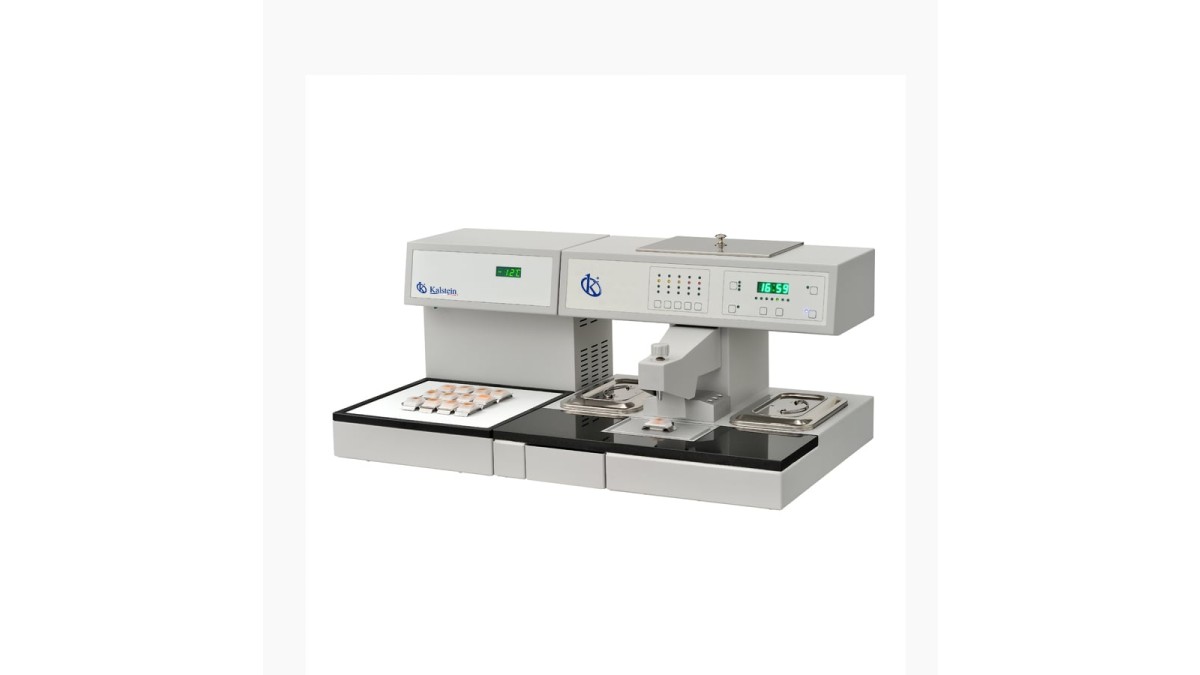
Tissue Embedding Systems: Practical Applications and Techniques 2026
Tissue embedding systems are essential tools in histology and pathology laboratories. These systems are used for embedding biological specimens in a rigid medium, typically paraffin, to facilitate slicing into thin sections for microscopic examination. In 2026, these systems are more advanced and programmable than ever, allowing for enhanced efficiency and precision in tissue processing.
What is it used for in 2026
In 2026, tissue embedding systems are primarily utilized in clinical and hospital laboratories for the preparation of tissue samples for microscopic analysis. The embedding process involves infiltrating tissue samples with paraffin wax, which preserves the structural integrity and morphology of the specimens, allowing for detailed examination under a microscope. This is critically important in diagnosing diseases, especially cancers, where accurate tissue analysis is crucial. Additionally, modern systems offer programmable features that cater to diverse laboratory workflows and requirements.
History and evolution of the technology
The technology behind tissue embedding systems has evolved significantly since their inception. Initially, manual embedding techniques required considerable time and expertise. However, with advancements in technology, automated systems have emerged, incorporating programmable settings and improved temperature controls. The introduction of microprocessor-controlled systems has enhanced temperature precision, leading to better specimen preservation. Modern systems, such as the Tissue Inclusion Center YR441 and YR447, reflect this evolution with features that maximize efficiency, consistency, and user-friendliness.
How to use it step by step
Using a tissue embedding system involves a series of systematic steps:
- Sample Preparation: Begin by fixing the tissue samples in formalin to preserve them. Then, dehydrate the samples using a series of alcohol solutions.
- Clearing: Clear the dehydrated samples using xylene or similar agents to remove alcohol.
- Infiltration: Infiltrate the cleared tissues with molten paraffin wax using the embedding system's specific protocols.
- Embedding: Once infiltrated, transfer the samples into embedding molds filled with fresh paraffin. The system should be set to the optimal temperature for embedding.
- Cooling: Allow the paraffin to cool and solidify, which can be expedited using the cooling feature of the system.
- Sectioning: Once solidified, the paraffin blocks can be sectioned into thin slices using a microtome for microscopic analysis.
Best techniques and protocols
To ensure optimal results when using tissue embedding systems, consider the following techniques and protocols:
- Always preheat the paraffin before use to ensure proper infiltration.
- Use fresh paraffin for embedding to avoid contamination and improve quality.
- Monitor the temperature closely, as deviations can lead to poor specimen preservation.
- Utilize programmable features to standardize the embedding process across different samples and operators.
- Regularly calibrate the system to maintain precision in temperature control.
Practical applications by laboratory type
The practical applications of tissue embedding systems vary across different laboratory types:
Clinical Laboratories:
In clinical laboratories, tissue embedding systems are used primarily for diagnosing diseases through histological examination of biopsies.
Research Laboratories:
Research labs utilize these systems for experimental studies involving tissue morphology and histopathology.
Forensic Laboratories:
In forensic science, embedding systems play a vital role in examining tissue samples from crime scenes to gather evidence.
Regulations, standards and certifications
It is crucial for laboratories using tissue embedding systems to adhere to regulations and standards such as ISO 15189 for medical laboratories and ISO 13485 for the manufacturing of medical devices. Compliance with these guidelines ensures that the equipment used is safe, reliable, and effective for diagnostic purposes.
Comparison with alternative technologies
Alternative technologies to tissue embedding systems include traditional hand embedding techniques and other automated systems. While manual methods can be cost-effective, they are labor-intensive and prone to variability. Automated systems offer higher consistency and reproducibility, making them the preferred choice in modern laboratories.
Comparison of available models
| Model | Best for | Key specs | Recommended use case |
|---|---|---|---|
| YR441 | Comprehensive tissue processing | 3L paraffin chamber, 55-70℃ temperature range, ±1% temperature control | Flexible lab environments needing programmable features |
| YR447 | High throughput labs | 4L paraffin chamber, RT-85℃ range, reduced energy consumption | Labs requiring rapid and uniform heating |
| YR439 | Small to medium labs | 3L paraffin chamber, 55-70℃ range, ergonomic design | Efficient processing in constrained lab spaces |
| YR445 | Versatile operations | 4L paraffin chamber, ambient-85℃ range | Ideal for labs needing versatile embedding options |
| YR439-1 | High precision embedding | ≥6L paraffin chamber, precise PID control | Labs focused on high-quality embedding processes |
| YR440B | Cryogenic applications | 0 to -20℃ range, environmentally friendly refrigerants | Cooling samples effectively prior to embedding |
Common mistakes and how to avoid them
Common mistakes in using tissue embedding systems include:
- Not allowing sufficient time for tissue infiltration, leading to poor preservation.
- Ignoring temperature settings, resulting in inadequate paraffin embedding.
- Using contaminated paraffin, compromising sample quality.
- Failing to follow manufacturer protocols for operation.
To avoid these pitfalls, always adhere to established protocols and conduct regular system checks.
Maintenance, calibration and good practices 2026
Regular maintenance and calibration are vital for the longevity and accuracy of tissue embedding systems. Laboratories should implement a schedule for cleaning, temperature calibration, and performance checks. Best practices include:
- Regularly inspecting heating elements for wear.
- Calibrating temperature controls at least quarterly.
- Implementing a cleaning routine for paraffin spills and residue.
Cost-benefit analysis 2026
The initial investment in a tissue embedding system can be substantial; however, the benefits in terms of efficiency, accuracy, and enhanced diagnostic capabilities often outweigh the costs. A cost-benefit analysis should include:
- Direct costs of equipment and maintenance.
- Indirect costs saved through reduced labor time and improved accuracy.
- Potential increased revenue from enhanced diagnostic services.
Frequently asked questions
What factors should I consider when choosing a tissue embedding system?
Consider factors such as the size and throughput of your laboratory, the level of automation desired, and specific features that cater to your embedding needs.
How often should I calibrate my tissue embedding system?
It is recommended to calibrate your system at least quarterly to ensure accuracy of temperature control.
Can I use tissue embedding systems for different types of tissues?
Yes, tissue embedding systems can handle a variety of tissues, but ensure the embedding medium is appropriate for the specific tissue type.
What maintenance practices should I follow?
Regularly clean the system, inspect heating elements, and calibrate temperature controls to maintain optimal performance.
How can I improve the efficiency of my embedding process?
Utilize programmable features to standardize processes and ensure proper infiltration times are adhered to for all samples.
What are the common challenges faced while using tissue embedding systems?
Challenges include achieving consistent temperature control and ensuring complete infiltration of paraffin, which can be mitigated through proper training and adherence to protocols.
Where can I get the best deals on tissue embedding systems?
To find competitive prices and quality equipment, it is advisable to check with reliable manufacturers and suppliers that specialize in laboratory equipment.
If you are looking for a fusion of innovation and quality, you have come to the right place. At Kalstein, we offer you the luxury of exploring our exclusive catalog of laboratory equipment. We manufacture every device to the highest standards of excellence. Our intuitive and seamless online purchasing channels are designed for your convenience, securing the most competitive prices. Hesitate no longer — we bring science to life, it is time to become part of our community.