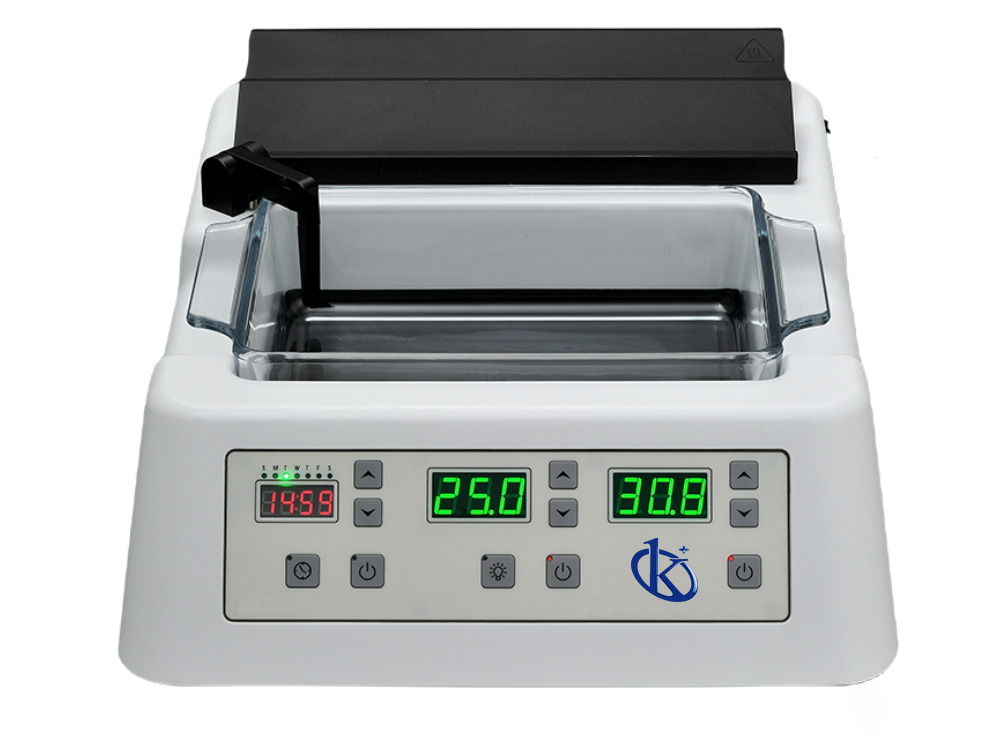
Tissue Flotation: Practical Step-by-Step Guide in 2026
What is it used for in 2026
Tissue flotation is a crucial process in pathological anatomy, primarily utilized for the preparation and examination of tissue samples. In 2026, advancements in technology have made tissue flotation workstations more efficient, allowing laboratory professionals to achieve precise temperature control and enhanced sample handling. This technique facilitates the separation of tissue sections, ensuring that they are free from distortion, enabling clearer histological analysis.
History and evolution of the technology
The technology of tissue flotation has evolved significantly since its inception. Initially, simple water baths were used, which lacked sophisticated temperature control. Over the years, microprocessor technology has been integrated into flotation workstations, leading to improved precision and user-friendly interfaces. The transition from manual to automated systems has also influenced the reliability of results, making tissue flotation an essential part of modern histological practices.
How to use it step by step
Using a tissue flotation workstation involves several steps:
- Preparation: Begin by setting up the workstation, ensuring it is clean and well-maintained. Fill the water bath with distilled water and set the desired temperature.
- Sample Collection: Obtain the tissue samples and ensure they are properly fixed and embedded in paraffin.
- Sectioning: Use a microtome to slice the tissue samples into thin sections, typically around 4-5 micrometers thick.
- Flotation: Carefully transfer the sections onto the water surface of the bath, allowing them to expand and flatten.
- Drying: Once flattened, use the slide dryer to remove excess moisture and prepare the sections for staining and analysis.
- Final Checks: Inspect the slides for any wrinkles or bubbles, and make any necessary adjustments before proceeding with subsequent staining procedures.
Best techniques and protocols
In 2026, the best practices for tissue flotation include:
- Utilizing distilled water for flotation to prevent contamination.
- Regularly calibrating the temperature settings to ensure accurate readings.
- Implementing a strict cleaning protocol for the water bath and drying station.
- Employing gentle handling of the tissue sections to avoid tearing or distortion.
- Monitoring the environment to maintain optimal conditions for the samples while floating.
Practical applications by laboratory type
Tissue flotation is widely applied across various laboratory settings:
- Clinical Laboratories: Used for diagnostic purposes, particularly in cancer pathology.
- Research Laboratories: Essential for histological studies and investigations into tissue morphology.
- Education: Used in academic settings for teaching histology techniques to students.
Regulations, standards, and certifications
The use of tissue flotation technology must comply with specific regulations and standards to ensure the quality and safety of laboratory practices. Regulations like ISO 15189 for medical laboratories outline the requirements for diagnostic laboratories. Adhering to these standards is crucial for maintaining accreditation and ensuring reliable results.
Comparison with alternative technologies
While tissue flotation is a widely accepted technique, there are alternative technologies such as cryosectioning and automated slide preparation. Cryosectioning offers the advantage of rapid sample processing, but it requires specific temperature controls and equipment. Automated slide preparation systems can enhance throughput and consistency but may lack the precise control offered by traditional flotation methods.
Comparison of available models
| Model | Best for | Key specs | Recommended use case |
|---|---|---|---|
| YR457-1 | Advanced flotation with automatic features | Temperature range: RT - 70℃; Power: 400W; Dimensions: 460×310×135 mm | High-throughput laboratories requiring rapid processing |
| YR456 | Basic flotation tasks | Temperature range: RT - 70℃; Power: 800W; Dimensions: 155 × 155 mm | Laboratories with moderate sample volume |
| YR457 | Standard flotation for histology | Temperature range: RT - 70℃; Power: 900W; Dimensions: 210 × 170 × 60 mm | Typical diagnostics and educational settings |
Common mistakes and how to avoid them
Common pitfalls in tissue flotation include:
- Overheating the water bath, which can damage tissue integrity — always monitor temperatures closely.
- Using contaminated water, leading to compromised samples — ensure distilled water is used.
- Neglecting to maintain the flotation workstation, resulting in inconsistent performance — establish a regular maintenance schedule.
Maintenance, calibration, and good practices 2026
Regular maintenance and calibration are vital to ensure optimal performance of tissue flotation workstations. This includes:
- Daily inspection of the water bath for cleanliness and proper temperature settings.
- Monthly calibration of temperature control systems to maintain precision.
- Thorough cleaning of the slide dryer after each use to prevent contamination of samples.
Cost-benefit analysis 2026
In 2026, the cost of investing in a tissue flotation workstation must be weighed against its benefits. Although initial costs may be significant, the potential for increased efficiency, improved sample integrity, and enhanced workflow can lead to long-term savings and better diagnostic outcomes. Laboratories should consider the volume of samples processed and the specific needs of their operations to make an informed decision.
Frequently asked questions
What are the key considerations when choosing a tissue flotation workstation?
Key considerations include temperature control accuracy, user interface, size and capacity of the water bath, and additional features such as automatic memory functions.
How do I prepare tissue samples for flotation?
Ensure the samples are properly fixed, embedded in paraffin, and sectioned into thin slices using a microtome before flotation.
What maintenance is required for tissue flotation equipment?
Regular cleaning of the water bath and slide dryer, calibration of temperature settings, and routine checks for wear and tear are essential for maintenance.
Can I use tap water in the flotation bath?
No, it is not advisable to use tap water as it may contain impurities that can contaminate the samples. Always use distilled water for optimal results.
What should I do if my samples are wrinkled after flotation?
If samples are wrinkled, check the temperature settings and ensure gentle handling of the sections during transfer to the water bath.
How often should I calibrate the flotation workstation?
Calibrate the workstation at least once a month or whenever there are noticeable changes in temperature readings.
Where can I find the best tissue flotation equipment?
For high-quality tissue flotation equipment, consider exploring catalogs from reputable manufacturers focused on laboratory excellence. Request a quote to find the best option that meets your needs.
If you are looking for a fusion of innovation and quality, you have come to the right place. At Kalstein, we offer you the luxury of exploring our exclusive catalog of laboratory equipment. We manufacture every device to the highest standards of excellence. Our intuitive and seamless online purchasing channels are designed for your convenience, securing the most competitive prices. Hesitate no longer — we bring science to life; it is time to become part of our community.