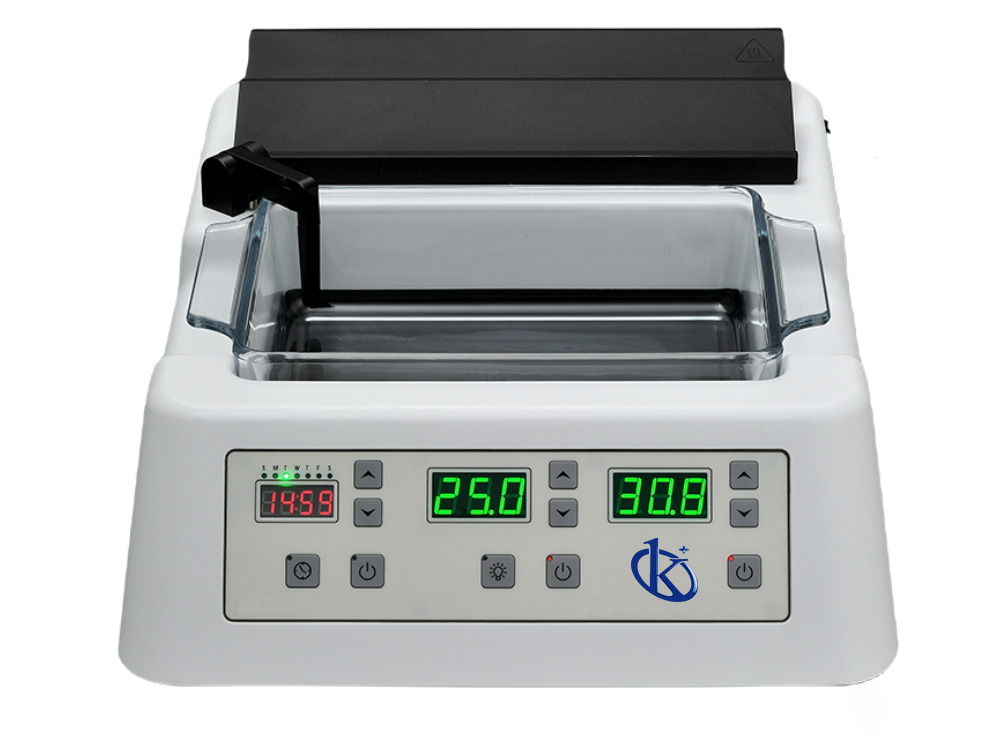
Tissue Flotation: ROI and Cost-Benefit Analysis for the Lab 2026
Tissue flotation workstations are essential tools in pathological anatomy, aiding in the preparation of tissue samples for microscopic examination. Understanding the return on investment (ROI) and conducting a cost-benefit analysis is crucial for laboratories looking to optimize operations and reduce expenses. This article delves into the various models available, examining their features, costs, and efficiencies.
Understanding the ROI in Tissue Flotation Workstations
The ROI of tissue flotation workstations can be evaluated by examining both initial investment and long-term operational costs. Key factors include the acquisition cost of the workstation, maintenance, and the productivity enhancements they offer. Calculating the ROI can provide insight into which model offers the most advantages over time.
Key Components of Cost-Benefit Analysis
When conducting a cost-benefit analysis, consider both tangible and intangible factors. Tangible factors include the purchase price, energy consumption, and maintenance costs. Intangible factors might cover the improved accuracy of results, reduced processing time, and enhanced user satisfaction. Each workstation model offers different benefits and drawbacks that can significantly impact overall lab efficiency.
Comparison of Available Models
| Model | CAPEX (USD) | Cost per Test | Payback (Months) | Recommended Scenario |
|---|---|---|---|---|
| YR457-1 | 1200.00 | 5.00 | 15 | High volume labs needing precision |
| YR456 | 800.00 | 4.50 | 12 | Standard labs with moderate demand |
| YR457 | 900.00 | 4.75 | 14 | Labs focusing on efficiency and reliability |
Exploring Cost Elements in Tissue Flotation
Analyzing the cost elements of tissue flotation models reveals significant differences that can impact ROI. The acquisition cost (CAPEX) is one of the most straightforward metrics, but assessing ongoing operational expenses, including energy usage and consumables, is equally important. For instance, the YR456 model is priced at $800, and with an estimated cost per test of $4.50, it offers a competitive option for labs.
Operational Efficiency and Productivity Gains
Productivity gains are pivotal in maximizing ROI. Workstations such as the YR457-1 can process samples more efficiently, thus increasing throughput. By implementing automated features, these devices reduce manual errors and allow lab technicians to focus on more complex tasks.
Common Mistakes and How to Avoid Them
In the pursuit of optimizing ROI through tissue flotation workstations, labs often make common mistakes, such as underestimating total cost of ownership or neglecting to assess specific needs of their workflows. It is vital to ensure that the selected model aligns with the lab's operational demands and budgetary constraints.
Evaluating Long-term Savings
Long-term savings can be significant when utilizing energy-efficient models. For example, if a laboratory opts for the YR456, which uses less energy, compared to older models, the cumulative cost savings over years can be substantial, justifying the initial investment.
Frequently Asked Questions
What are the main factors affecting ROI for tissue flotation workstations in 2026?
Factors such as initial purchase cost, energy consumption, and maintenance costs significantly affect ROI. For instance, the YR457 model costs $1200 and offers efficient operation, which contributes to a quicker payback period.
How can I optimize the cost per test for tissue flotation models?
Optimizing cost per test can be achieved by selecting models like YR456, which has a low cost per test of $4.50 and provides reliable performance, ultimately enhancing productivity and reducing expenses.
Which tissue flotation workstation offers the best payback period in a lab?
The YR456 model offers a payback period of just 12 months, making it an attractive choice for labs aiming for quick ROI while maintaining quality standards in sample processing.
How does energy efficiency impact long-term costs for tissue flotation workstations?
Energy efficiency plays a crucial role in long-term costs; for example, opting for energy-efficient models like YR457 can cut down on utility bills, thereby enhancing overall profitability over time.
What are the common mistakes to avoid when purchasing a tissue flotation workstation?
Common mistakes include failing to consider the total cost of ownership or not aligning the workstation's capabilities with specific lab requirements. A thorough analysis of models like YR457 can help avoid these pitfalls.
How does automation in tissue flotation workstations improve laboratory efficiency?
Automation reduces manual interventions, decreases errors, and speeds up sample processing. For example, the YR457-1 workstation automates temperature control and memory settings, enhancing operational efficiency.
Which tissue flotation model is best for high-volume labs?
For high-volume labs, the YR457-1 is recommended due to its advanced features and capacity for handling numerous samples efficiently, ensuring optimal throughput and minimal downtime.
Can you provide a comparison of costs between different tissue flotation models?
A comparative analysis reveals that the YR456 model is priced at $800, while YR457-1 is $1200, with various cost per test metrics indicating which model might offer better value for specific lab scenarios.
To request a quote for your tissue flotation workstation, feel free to reach out.
If you are looking for a fusion of innovation and quality, you have come to the right place. At Kalstein, we offer you the luxury of exploring our exclusive catalog of laboratory equipment. We manufacture every device to the highest standards of excellence. Our intuitive and seamless online purchasing channels are designed for your convenience, securing the most competitive prices. Hesitate no longer — we bring science to life, it is time to become part of our community.