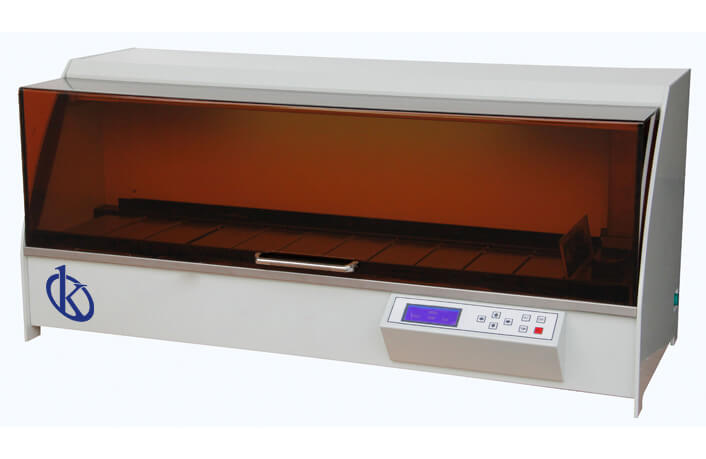
Tissue Processors: Best Techniques and Protocols in 2026
What is it used for in 2026
Tissue processors are essential laboratory equipment used in the preparation of biological samples for microscopic examination. In 2026, their applications have expanded significantly, focusing on efficiency and effectiveness in meeting laboratory demands. They facilitate the infiltration of tissues with paraffin wax, preserving them for further analysis. This process is crucial for histopathology, allowing for the accurate diagnosis of diseases.
History and evolution of the technology
The evolution of tissue processors dates back to the early 20th century, where manual processing was time-consuming and labor-intensive. Over the years, advancements in technology have led to the development of automated tissue processors, which streamline the workflow and reduce human error. The introduction of microprocessor technology in the late 20th century allowed for precise control over processing times and temperatures, thereby improving the quality of tissue samples. Today, various models offer enhanced features, including user-friendly interfaces and multiple programming options tailored to different laboratory needs.
How to use it step by step
Using a tissue processor involves several steps to ensure optimal performance and quality results:
- Preparation: Gather all necessary materials, including the tissue samples, reagents, and paraffin wax.
- Loading: Carefully place the tissue specimens into the processor cups. Ensure that reagents are appropriately added in the correct sequence.
- Programming: Select the appropriate processing program based on the tissue type and laboratory requirements. Adjust parameters such as temperature and time as needed.
- Monitoring: Continuously monitor the processor during operation to ensure all functions are performing optimally.
- Unloading: Once the processing cycle is complete, safely remove the processed samples for further analysis.
Best techniques and protocols
To achieve the best results with tissue processors in 2026, consider the following techniques and protocols:
- Pre-fixation: Properly fix tissues before processing to enhance structural integrity.
- Optimal reagent selection: Choose high-quality reagents that enhance tissue preservation and clarity.
- Routine maintenance: Regularly clean and calibrate the equipment to maintain precision.
- Data logging: Utilize the data logging features available in modern processors to track processing cycles and outcomes.
Practical applications by laboratory type
Different laboratory types utilize tissue processors for specific purposes:
- Clinical Laboratories: Use tissue processors primarily for diagnostic histopathology.
- Research Laboratories: Focus on experimental tissue analysis for various research projects.
- Academic Laboratories: Employ tissue processors for educational purposes to teach students about histology techniques.
Regulations, standards and certifications
In 2026, tissue processors must adhere to various regulations and standards to ensure safety and quality. These include:
- ISO 13485: A standard for quality management systems specific to medical devices.
- CLIA: Clinical Laboratory Improvement Amendments that set quality standards for laboratory testing.
- CE Marking: Certification indicating compliance with health, safety, and environmental protection standards within the European Economic Area.
Comparison with alternative technologies
There are alternative technologies to tissue processors, such as manual processing and microwave tissue processing. While manual processing offers flexibility, it is often prone to human error and variability. Microwave tissue processing, on the other hand, uses rapid heating to speed up the infiltration process, which can limit the quality of tissue samples. Automated tissue processors, like those discussed in this article, provide a balanced approach, combining efficiency with high-quality outcomes.
Comparison of available models
| Model | Best for | Key specs | Recommended use case |
|---|---|---|---|
| YR431-1 | Medium laboratories | 2000 ml capacity, 12 cups, RT - 80℃ | Processing up to 130 specimens at once |
| YR436-2 | Budget-conscious labs | Standard features, compact design | Basic tissue processing with essential features |
| YR427 | Small laboratories | 700 ml capacity, 12 cups, RT - 80℃ | Economical processing with memory functions |
| YR428 | Small to medium labs | 1000 ml capacity, 12 cups, RT - 99℃ | Quality section preparation in small batches |
| YR429 | Medium laboratories | 1500 ml capacity, 12 cups, RT - 80℃ | Processing up to 80 specimens simultaneously |
Common mistakes and how to avoid them
Here are some common mistakes made while using tissue processors and tips to avoid them:
- Overloading the cups: Avoid exceeding the recommended capacity to ensure proper processing.
- Neglecting calibration: Regularly calibrate equipment to maintain accuracy.
- Ignoring maintenance schedules: Follow the manufacturer’s maintenance guidelines to enhance longevity.
Maintenance, calibration and good practices 2026
To ensure optimal operation of tissue processors in 2026, consider the following maintenance and calibration tips:
- Daily checks: Conduct daily checks on fluid levels and operational status.
- Monthly deep cleaning: Implement a monthly cleaning routine to prevent contamination.
- Annual calibration: Schedule annual calibration checks to ensure precision.
Cost-benefit analysis 2026
When evaluating the cost-benefit of tissue processors in 2026, consider the following:
- Initial investment: Assess the upfront cost versus the features offered.
- Operational efficiency: Calculate time saved by using automated features.
- Quality of results: Evaluate the impact of high-quality preparations on diagnostic accuracy.
Frequently asked questions
What are the key features to look for in a tissue processor?
When selecting a tissue processor, consider features such as capacity, temperature control precision, automation level, and additional programming options to suit your laboratory's needs.
How often should a tissue processor be calibrated?
A tissue processor should ideally be calibrated annually, but more frequent checks may be necessary if used extensively or after maintenance.
What common problems can arise during the tissue processing?
Common issues include improper reagent selection, clogs in the system, and discrepancies in temperature control. Regular maintenance can mitigate these problems.
Can tissue processors handle different types of specimens?
Yes, most tissue processors can handle various specimen types, but it's essential to choose the correct program and reagents for each specific sample.
What is the typical lifespan of a tissue processor?
A well-maintained tissue processor can last anywhere from 8 to 15 years, depending on usage frequency and adherence to maintenance protocols.
How can I improve the efficiency of my laboratory's tissue processing?
Improving efficiency can be achieved through regular training, optimizing scheduling for high-demand periods, and ensuring proper maintenance of equipment.
Where can I request a quote for a tissue processor?
You can request a quote on Kalstein Plus for a variety of tissue processors tailored to your laboratory needs.
If you are looking for a fusion of innovation and quality, you have come to the right place. At Kalstein, we offer you the luxury of exploring our exclusive catalog of laboratory equipment. We manufacture every device to the highest standards of excellence. Our intuitive and seamless online purchasing channels are designed for your convenience, securing the most competitive prices. Hesitate no longer — we bring science to life, it is time to become part of our community.