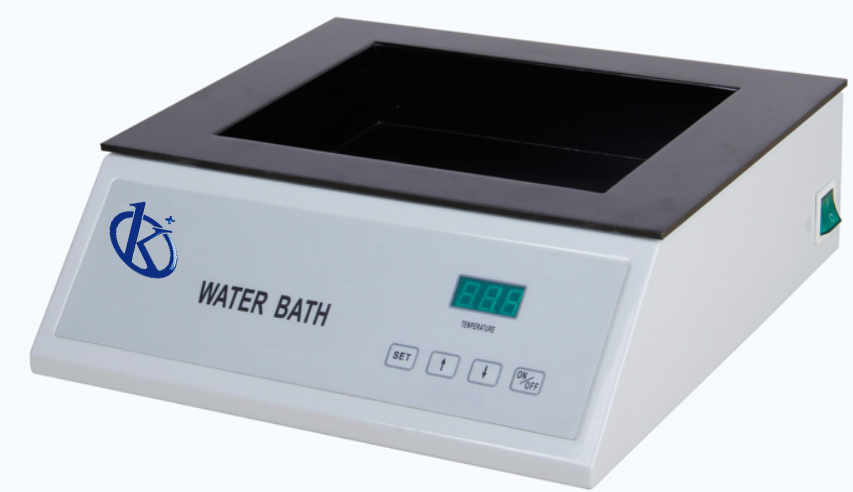
Tissue Water Baths: Common Mistakes and How to Avoid Them in Daily Operation 2026
What is it used for in 2026
Tissue water baths are essential instruments in various laboratory settings, particularly in pathological anatomy and histology. They maintain a stable temperature, which is crucial for processes like tissue processing, paraffin embedding, and maintaining samples at optimal conditions for microscopy. In 2026, these devices are designed to offer precision and reliability, ensuring that laboratory professionals can carry out their work efficiently and accurately.
History and evolution of the technology
The concept of water baths dates back to the early 20th century, with initial designs focused on simple heating elements. Over the decades, technological advancements have led to the development of sophisticated models equipped with digital displays, automatic memory functions, and precise temperature controls. Modern tissue water baths, such as the YR449, YR451, and YR452, embody significant improvements in energy efficiency, user-friendliness, and versatility, becoming indispensable tools in contemporary laboratories.
How to use it step by step
- Preparation: Ensure that the water bath is clean and free of contaminants. Fill the bath with distilled water up to the recommended level.
- Set Temperature: Turn on the device and set the desired temperature using the control interface. Ensure this is within the operational range of the specific model.
- Wait for Stability: Allow the instrument to reach the set temperature before placing any samples inside. This may take a few minutes.
- Load Samples: Carefully place your tissue samples or containers into the water bath. Ensure they are fully submerged to maintain consistent heating.
- Monitor: Keep an eye on the temperature display to ensure it remains stable throughout the process.
- Completion: After the required time, remove the samples carefully. Avoid sudden temperature changes to prevent damage to the samples.
- Clean Up: After use, clean the water bath to prevent contamination for future experiments.
Best techniques and protocols
To maximize the efficiency of tissue water baths, adhere to the following protocols:
- Utilize calibrated thermometers to verify the accuracy of the water bath's temperature settings.
- Implement routine maintenance checks and recalibration to ensure reliable performance.
- Standardize sample loading techniques to promote even heat distribution across all samples.
- Employ data logging tools to track temperature fluctuations over time for quality assurance.
- Follow manufacturer guidelines for specific operational procedures depending on the model used.
Practical applications by laboratory type
Tissue water baths are utilized across various laboratory types:
- Histology Labs: For paraffin embedding and sectioning processes.
- Pathology Labs: To maintain biological samples at optimal temperatures for diagnoses.
- Research Facilities: In studies requiring precise temperature control for biochemical assays.
- Educational Institutions: For teaching purposes in biology and laboratory techniques.
Regulations, standards and certifications
Laboratories using tissue water baths must adhere to various regulations and standards to ensure safety and accuracy. These may include:
- ISO 9001 for quality management systems.
- ASTM standards for laboratory equipment performance.
- Local health and safety regulations that govern laboratory practices.
- Certification from recognized organizations that approve laboratory equipment for use.
Comparison with alternative technologies
While tissue water baths are essential, there are alternative technologies available:
- Dry Block Heaters: Offer rapid heating and uniform temperature, though they may not be suitable for all tissue samples.
- Incubators: Provide a controlled environment not only for temperature but also for humidity, which may be beneficial for certain applications.
Each alternative has specific applications, but the versatility of water baths remains unmatched in many contexts.
Comparison of available models
| Model | Best for | Key specs | Recommended use case |
|---|---|---|---|
| YR449 | General tissue processing | Temperature range: RT to 90℃, Energy: 200W, Dimension: 360×350×120 mm | Ideal for routine laboratory use where consistent heating is required. |
| YR451 | Advanced thermal applications | Temperature range: 0-85℃, Energy: 400W, Dimension: 515×420×150 mm | Great for labs requiring precise temperature control for sensitive samples. |
| YR452 | Tissue flotation stations | Temperature range: RT-75℃, Energy: 500W, Dimension: 515×420×160 mm | Best suited for histology applications needing a stable environment for sample analysis. |
Common mistakes and how to avoid them
In laboratory settings, several common mistakes can occur while using tissue water baths:
- Incorrect Temperature Settings: Always double-check the desired temperature against the actual reading; avoid assuming the device is set correctly.
- Overcrowding the Bath: Ensure sufficient space between samples for even heat distribution.
- Neglecting Calibration: Regularly calibrate the device to maintain accuracy; lack of calibration can lead to compromised results.
- Not Cleaning After Use: Failing to clean the water bath can lead to contamination and affect future experiments.
- Ignoring Manufacturer’s Guidelines: Always follow the operational protocols provided by the manufacturer for optimal results.
Maintenance, calibration and good practices 2026
Routine maintenance of tissue water baths is essential for their longevity and performance:
- Conduct regular cleaning routines to remove any residues or contaminants.
- Perform calibration checks every few months or according to usage; this ensures accurate temperature readings.
- Inspect the heating elements for wear and tear; replace if necessary to avoid inconsistent heating.
- Document all maintenance activities to track performance over time.
- Train laboratory personnel on proper use and troubleshooting methods to ensure efficient operation.
Cost-benefit analysis 2026
Investing in a tissue water bath can be analyzed through a cost-benefit perspective:
- Initial Investment: Models like YR449, YR451, and YR452 vary in price, with YR449 being the most cost-effective.
- Operational Efficiency: High-quality water baths enhance workflow efficiency, reducing time spent on sample preparation.
- Durability: Investing in durable equipment can save costs in the long run due to reduced replacement needs.
- Improved Results: Enhanced accuracy and reliability lead to better research outcomes, justifying the initial expenditure.
Frequently asked questions
What should I consider when purchasing a tissue water bath?
When purchasing a tissue water bath, consider factors such as temperature range, precision control, energy efficiency, and space requirements in your lab.
How often should I calibrate my water bath?
Calibrate your water bath every few months or after significant usage to ensure temperature accuracy, which is crucial for experimental integrity.
Can I use tap water in my tissue water bath?
It is recommended to use distilled or deionized water to prevent mineral buildup and contamination, which can affect performance.
What is the ideal temperature range for tissue processing?
The ideal temperature range varies depending on the specific protocol, but typically ranges from room temperature to 90℃ for most applications.
How can I prevent overheating in my water bath?
To prevent overheating, regularly check the set temperature, avoid overcrowding with samples, and perform routine maintenance on the heating elements.
Is it safe to leave samples in the water bath unattended?
It is generally not recommended to leave samples unattended, as fluctuations in temperature can occur, potentially damaging the samples.
Where can I find high-quality tissue water baths?
You can find high-quality tissue water baths from reputable manufacturers and suppliers specializing in laboratory equipment. Request a quote to explore your options.
If you are looking for a fusion of innovation and quality, you have come to the right place. At Kalstein, we offer you the luxury of exploring our exclusive catalog of laboratory equipment. We manufacture every device to the highest standards of excellence. Our intuitive and seamless online purchasing channels are designed for your convenience, securing the most competitive prices. Hesitate no longer — we bring science to life, it is time to become part of our community.