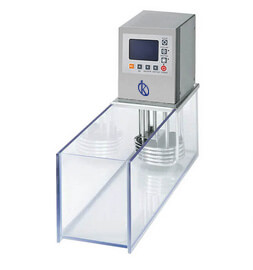
Transparent Water Baths: Practical Guide to Usage in 2026
What is it used for in 2026
Transparent water baths are critical tools in various laboratory settings. They are primarily used for maintaining stable temperatures for experiments and procedures that require consistent thermal conditions. In 2026, applications such as tissue culture, enzyme reaction studies, and growth observation are predominant uses for these baths. The transparent design allows for easy monitoring of samples without disrupting the environment, making them ideal for sensitive biological work.
History and evolution of the technology
The evolution of water bath technology has seen significant advancements since its inception. Initially, water baths were simple devices that utilized basic heating elements to maintain temperature. Over the decades, the introduction of digital controls and improved insulation has enhanced accuracy and reliability. The transparent water bath design has emerged as a response to the need for visual observation of experiments without interference. As technology progressed, materials used in the construction of these baths also improved, leading to better thermal conductivity and stability.
How to use it step by step
Using a transparent water bath effectively involves several crucial steps:
- Preparation: Ensure the water bath is clean and free of any residue from previous experiments.
- Fill with Water: Fill the bath with distilled water to the specified level, ensuring there are no air bubbles.
- Set Temperature: Use the digital controls to set the desired temperature, typically between room temperature and 80°C.
- Allow to Stabilize: Wait for the water to reach the set temperature before placing any samples in the bath.
- Insert Samples: Carefully place your samples into the bath using appropriate racks or containers to ensure stability.
- Monitor Conditions: Keep an eye on the temperature reading and adjust as necessary throughout the experiment.
- Post-Use Care: After usage, clean the water bath thoroughly and drain any leftover water.
Best techniques and protocols
To maximize the effectiveness of transparent water baths, consider the following techniques:
- Use Appropriate Sample Holders: Always use suitable racks or holders to prevent direct contact with the heating element.
- Implement Regular Calibration: Schedule frequent calibration checks to ensure temperature accuracy.
- Maintain Consistency: For experimental integrity, ensure the same water level and temperature are maintained across repeated experiments.
- Document Settings: Keep detailed records of temperature settings and durations for replication purposes in future experiments.
- Safety Protocols: Adhere to safety protocols to minimize risks associated with heat and electrical equipment.
Practical applications by laboratory type
Transparent water baths find extensive applications across various laboratory types:
- Biological Laboratories: Used for tissue culture, cell growth, and enzyme reactions.
- Chemistry Laboratories: Ideal for conducting reactions that require precise temperature control.
- Clinical Laboratories: Employed in diagnostic procedures where temperature consistency is crucial.
- Educational Institutions: Frequently utilized in teaching labs to demonstrate principles of temperature control in experiments.
Regulations, standards and certifications
When using transparent water baths, it is essential to adhere to laboratory regulations and standards. Compliance with ISO and ASTM standards ensures that laboratory equipment meets safety and performance criteria. Additionally, equipment must be regularly inspected and certified by relevant authorities to maintain operational integrity.
Comparison with alternative technologies
While transparent water baths are indispensable, several alternative technologies exist:
- Circulating Water Baths: Provide more uniform temperature control through constant water circulation.
- Dry Baths: Use metal blocks for heating and can be beneficial for certain applications where water exposure is not preferred.
- Heating Mantles: Suitable for specific chemical reactions requiring direct heating.
Comparison of available models
| Model | Best for | Key specs | Recommended use case |
|---|---|---|---|
| YR05080 | Small-scale experiments | 10L, RT to 80°C, 1.0kW | Tissue culture and enzyme studies |
| YR05081 | Medium-scale studies | 16L, RT to 80°C, 1.5kW | Growth observation and enzymatic reactions |
| YR05082 | Large-scale applications | 23L, RT to 80°C, 1.5kW | Complex tissue cultures and large experiments |
Common mistakes and how to avoid them
Laboratory professionals often encounter several pitfalls when using transparent water baths. Here’s how to avoid them:
- Not Calibrating Regularly: Ensure regular calibration checks to maintain temperature accuracy.
- Overfilling the Bath: Adhere to the recommended fill level to prevent water spills and maintain optimal performance.
- Ignoring Maintenance: Regularly clean and maintain the equipment to extend its lifespan and ensure consistent results.
- Neglecting Safety Precautions: Always observe safety protocols to prevent accidents related to heat and electrical components.
Maintenance, calibration and good practices 2026
To ensure your transparent water bath operates efficiently, follow these maintenance guidelines:
- Regular Cleaning: Clean the bath with appropriate solutions after each use.
- Calibration: Conduct temperature calibration at least quarterly or before critical experiments.
- Visual Inspections: Regularly check for signs of wear or damage, particularly in electrical components.
- Water Quality Maintenance: Use distilled water to reduce mineral buildup and contamination.
Cost-benefit analysis 2026
The investment in a transparent water bath is justified by the benefits it provides. The accuracy and reliability of results in experiments can lead to improved research outcomes. When compared to the potential costs of experimental failure due to improper temperature management, the initial expenditure on quality equipment is minimal. Furthermore, the longevity and versatility of these baths offer great value over time.
Frequently asked questions
What maintenance is required for transparent water baths?
Regular cleaning, calibration, and visual inspections are necessary to ensure optimal performance and longevity of transparent water baths.
How often should I calibrate a transparent water bath?
It is recommended to calibrate the water bath at least quarterly or prior to critical experiments to ensure accuracy.
Can I use a transparent water bath for enzyme reactions?
Yes, transparent water baths are excellent for enzyme reactions, as they provide stable temperature control essential for these processes.
What safety precautions should I take when using water baths?
Always follow safety protocols including proper handling of hot equipment and ensuring the bath is placed on a stable surface to prevent accidents.
How do I choose the right model for my laboratory?
Consider the scale of your experiments, required temperature range, and available space when selecting the appropriate transparent water bath model.
What are the advantages of using a transparent water bath?
Transparent water baths allow for easy visual monitoring of samples, maintain stable temperatures, and are versatile for various laboratory applications.
Where can I request a quote for a transparent water bath?
You can request a quote by contacting our sales team for detailed information on pricing and options available.
If you are looking for a fusion of innovation and quality, you have come to the right place. At Kalstein, we offer you the luxury of exploring our exclusive catalog of laboratory equipment. We manufacture every device to the highest standards of excellence. Our intuitive and seamless online purchasing channels are designed for your convenience, securing the most competitive prices. Hesitate no longer — we bring science to life, it is time to become part of our community.