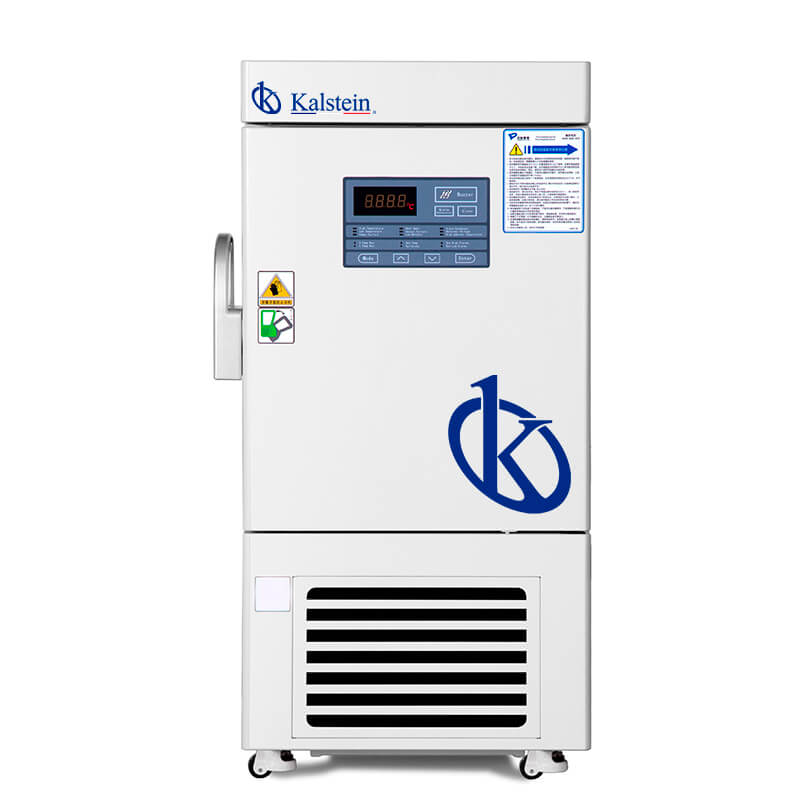
Ultra Freezers: Practical Applications and Techniques 2026
What is it used for in 2026
In 2026, ultra freezers play a crucial role in the preservation of biological materials, including viruses, germs, red blood cells, white blood cells, and tissues. They are essential for blood banks, hospitals, epidemic prevention services, research institutes, and laboratories in chemical and electronic plants. These devices ensure the longevity and integrity of samples, making them indispensable in biotechnological and academic settings.
History and evolution of the technology
The concept of ultra-freezing has evolved significantly over the decades. Initially, freezing technologies were limited to common household freezers that could not achieve the extreme temperatures required for biological samples. The development of ultra-freezers introduced advanced cooling systems capable of reaching temperatures as low as -86°C. This evolution has allowed laboratories to store sensitive biological materials for extended periods, thus facilitating groundbreaking research and advancements in biotechnology.
How to use it step by step
- Preparation: Ensure the ultra freezer is installed in a stable environment, away from heat sources and direct sunlight.
- Power Up: Plug in the freezer and turn it on. Set the desired temperature, typically between -40°C and -86°C.
- Loading Samples: Use insulated containers to store biological materials. Allow the samples to reach room temperature before placing them in the ultra freezer.
- Monitoring: Regularly check the temperature display to ensure it remains within the specified range.
- Documenting: Maintain a log of the samples stored, including their type, quantity, and storage date.
- Regular Maintenance: Periodically check for frost build-up and clean the interior as per the manufacturer's guidelines.
Best techniques and protocols
To maximize the effectiveness of an ultra freezer, follow these best practices:
- Always pre-cool samples to avoid thermal shock.
- Load the freezer strategically to allow for optimal air circulation.
- Use designated containers to prevent contamination.
- Regularly calibrate temperature settings to maintain accuracy.
- Incorporate backup systems for power failure situations.
Practical applications by laboratory type
Different laboratory types have specific applications for ultra freezers:
- Research Laboratories: Storing genetic materials for long-term studies.
- Clinical Laboratories: Preserving blood components and organ transplants.
- Biotechnology Firms: Storing reagents and samples for product development.
- Pharmaceutical Companies: Maintaining the integrity of vaccine components.
Regulations, standards and certifications
Ultra freezers must comply with various standards and regulations to ensure safety and efficacy. These include:
- ISO 9001 for quality management systems.
- FDA regulations for medical and laboratory devices.
- CE marking for equipment used in European markets.
- Compliance with environmental regulations for refrigerant use.
Comparison with alternative technologies
While ultra freezers are critical for biological storage, other technologies like liquid nitrogen storage and conventional freezers exist. Here’s how they compare:
- Liquid Nitrogen Storage: Provides lower temperatures but requires more handling and safety precautions.
- Conventional Freezers: Less expensive but cannot match the temperatures of ultra freezers.
- Ultra Freezers: Offer precise temperature control and reliability for sensitive samples.
Comparison of available models
| Model | Best for | Key specs | Recommended use case |
|---|---|---|---|
| YR05106 | Long-term storage of biological products | -40 to -86°C; 5.6 kWh/24h | Blood banks and hospitals |
| YR05107 | Storage of biological samples | -40 to -86°C; 8.2 kWh/24h | Research institutes |
| YR05108 | Sample preservation | -40 to -86°C; 12 kWh/24h | Laboratories in chemical plants |
| YR05109 | Storage of sensitive biological materials | -40 to -86°C; 16.5 kWh/24h | Academic research laboratories |
| YR05110 | Long-term biological storage | -40 to -86°C; 20 kWh/24h | Pharmaceutical companies |
| YR05111 | Biological sample preservation | -40 to -86°C; 18.8 kWh/24h | Marine fishing engineering institutes |
Common mistakes and how to avoid them
Common mistakes when using ultra freezers include:
- Overloading the freezer, which can impede airflow.
- Failing to monitor temperatures regularly.
- Improper sealing of containers, leading to contamination.
- Neglecting maintenance and calibration checks.
To avoid these mistakes, establish protocols for sample handling and maintain a routine for regular checks and cleaning.
Maintenance, calibration and good practices 2026
To ensure the longevity and performance of ultra freezers, adhere to the following maintenance practices:
- Regularly clean the interior and exterior surfaces.
- Perform calibration checks at least bi-annually.
- Inspect seals and gaskets for any signs of wear and tear.
- Keep a log of maintenance activities for compliance and auditing.
Cost-benefit analysis 2026
Investing in an ultra freezer can be substantial, but the long-term benefits largely outweigh the initial costs:
- Preservation of valuable biological samples: Preventing degradation ensures that research is reliable and valid.
- Compliance with regulations: Meeting storage standards prevents legal issues.
- Reduced sample loss: Decreasing the likelihood of costly errors in research.
Overall, the cost of purchasing an ultra freezer is a strategic investment in any research or clinical laboratory.
Frequently asked questions
What should I consider when choosing an ultra freezer?
When selecting an ultra freezer, consider factors such as temperature range, energy efficiency, storage capacity, and safety features like alarms for temperature fluctuations.
How often should I perform maintenance on my ultra freezer?
Maintenance should be conducted regularly, ideally monthly for cleaning and bi-annually for calibration and safety checks.
Can I store different types of biological samples in the same ultra freezer?
Yes, but make sure to use clear labeling and appropriate containers to prevent cross-contamination.
What is the typical lifespan of an ultra freezer?
An ultra freezer typically has a lifespan of 10 to 15 years with proper maintenance and care.
Are ultra freezers energy efficient?
Many modern ultra freezers are designed to be energy-efficient, but it's essential to check specifications for energy consumption to gauge cost-effectiveness.
What are the safety features I should look for?
Look for features such as alarms for high or low temperatures, automatic shut-off mechanisms, and backup power systems.
Where can I request a quote for ultra freezers?
You can request a quote for ultra freezers through our dedicated sales team available on the Kalstein platform.
If you are looking for a fusion of innovation and quality, you have come to the right place. At Kalstein, we offer you the luxury of exploring our exclusive catalog of laboratory equipment. We manufacture every device to the highest standards of excellence. Our intuitive and seamless online purchasing channels are designed for your convenience, securing the most competitive prices. Hesitate no longer — we bring science to life, it is time to become part of our community.