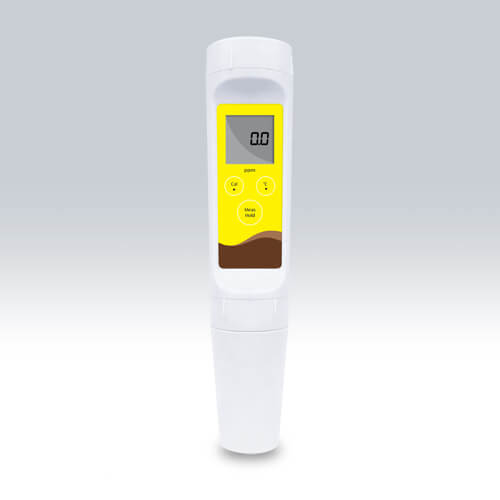
Understanding the Principle of Operation of the YR01812 Portable TDS Meter
The YR01812 Portable TDS Meter is a compact and efficient device designed for measuring the total dissolved solids (TDS) in liquids, offering a practical solution for various applications including laboratory research, aquaculture, and water quality assessment. In this article, we will delve into the principle of operation and scientific foundation of the YR01812, ensuring a comprehensive understanding of how this equipment functions in real-world scenarios.
Scientific Principles Behind TDS Measurement
The YR01812 utilizes the principle of electrical conductivity to determine the total dissolved solids in a liquid sample. TDS refers to the combined content of all inorganic and organic substances contained in a liquid. When dissolved, these solids contribute to the liquid's conductivity, which can be measured by the meter.
The relationship between conductivity and TDS is defined by a specific conversion factor, which varies depending on the nature of the dissolved solids. The YR01812 allows users to adjust this factor, typically between 0.4 to 1.0, with a default value set at 0.5. This adjustment is crucial for accurate readings across different solutions.
Key Features of the YR01812
Equipped with a platinum conductivity cell, the YR01812 provides quick and reliable measurement results. The device features a one-point button calibration system that ensures precision across its entire range of operation. The hold function allows the user to freeze the measurement on the display for easier reading and recording.
Moreover, the YR01812 is designed for durability and user-friendliness, featuring an automatic power-off function to conserve battery life and a replaceable electrode module to reduce maintenance costs.
Technical Specifications of the YR01812
| Specification | Value |
|---|---|
| Model | YR01812 |
| TDS Range | 5 to 1000 ppm |
| Resolution | 1 ppm |
| Accuracy | ±1% F.S. |
| Calibration Point | 1 point |
| Calibration Solution | 744 ppm |
| Temperature Range | 0 to 50°C |
| Temperature Resolution | 1°C |
| Sensor Type | ECSCAN-C1-100K |
| Power | 3 LR44 1.5V alkaline batteries |
| Battery Life | Approximately 150 hours of continuous use |
| Dimensions | 185(L)×40(Dia.) mm |
| Weight | 100 g |
Applications of the YR01812 in Various Sectors
The versatility of the YR01812 Portable TDS Meter allows it to be utilized in various sectors such as clinical laboratories, industrial processes, aquaculture, and educational institutions. In clinical settings, it can be used to ensure water quality in laboratories, while in industrial applications, it helps monitor the purity of water in manufacturing processes.
In aquaculture, the YR01812 is invaluable for maintaining optimal water conditions for aquatic life, as TDS levels can significantly affect fish growth and health. Educational institutions utilize the meter to teach students about water quality assessment and the importance of monitoring dissolved solids.
Understanding TDS Readings and Their Implications
Interpreting the readings from the YR01812 TDS Meter involves understanding the units of measurement, which are typically expressed in parts per million (ppm). It is crucial to recognize the normal ranges for specific applications; for example, drinking water should ideally have a TDS level below 500 ppm, while higher levels may indicate contamination or excessive mineral content.
Moreover, understanding the error bars associated with TDS readings is essential for accurate assessment. The YR01812 provides a high level of accuracy at ±1% F.S., ensuring that users can trust the measurements obtained.
Frequently Asked Questions
What is the principle of operation of the YR01812 Portable TDS Meter?
The YR01812 operates on the principle of electrical conductivity, measuring how well dissolved solids in a liquid conduct electricity. The meter calculates TDS based on the conductivity readings, allowing precise monitoring of water quality.
How do I calibrate the YR01812 Portable TDS Meter?
Calibration of the YR01812 involves using a one-point calibration method with a known solution (typically 744 ppm). By pressing the calibration button and immersing the probe in the calibration solution, users can ensure accurate measurements across the device's range.
What is the optimal temperature range for operating the YR01812?
The YR01812 is designed to function effectively within a temperature range of 0 to 50°C. Operating outside this range may affect measurement accuracy and device performance.
Can the YR01812 be used in outdoor environments?
Yes, the YR01812 features a waterproof design, making it suitable for use in outdoor environments. However, users should ensure that the device is properly cleaned and maintained after use in potentially corrosive environments.
What maintenance is required for the YR01812 Portable TDS Meter?
Regular maintenance includes cleaning the probe after each use, replacing the electrode module as needed, and ensuring the batteries are adequately charged. Periodic calibration is also advised for maintaining measurement accuracy.
What are the common applications for the YR01812?
The YR01812 is commonly used in clinical laboratories, industrial processes, aquaculture, and educational settings. It is ideal for monitoring water quality in various applications due to its versatility and accuracy.
Conclusion
If you are looking for a fusion of innovation and quality, you have come to the right place. At Kalstein, we offer you the luxury of exploring our exclusive catalog of laboratory equipment. We manufacture every device to the highest standards of excellence. Our intuitive and seamless online purchasing channels are designed for your convenience, securing the most competitive prices. Hesitate no longer — we bring science to life, it is time to become part of our community.