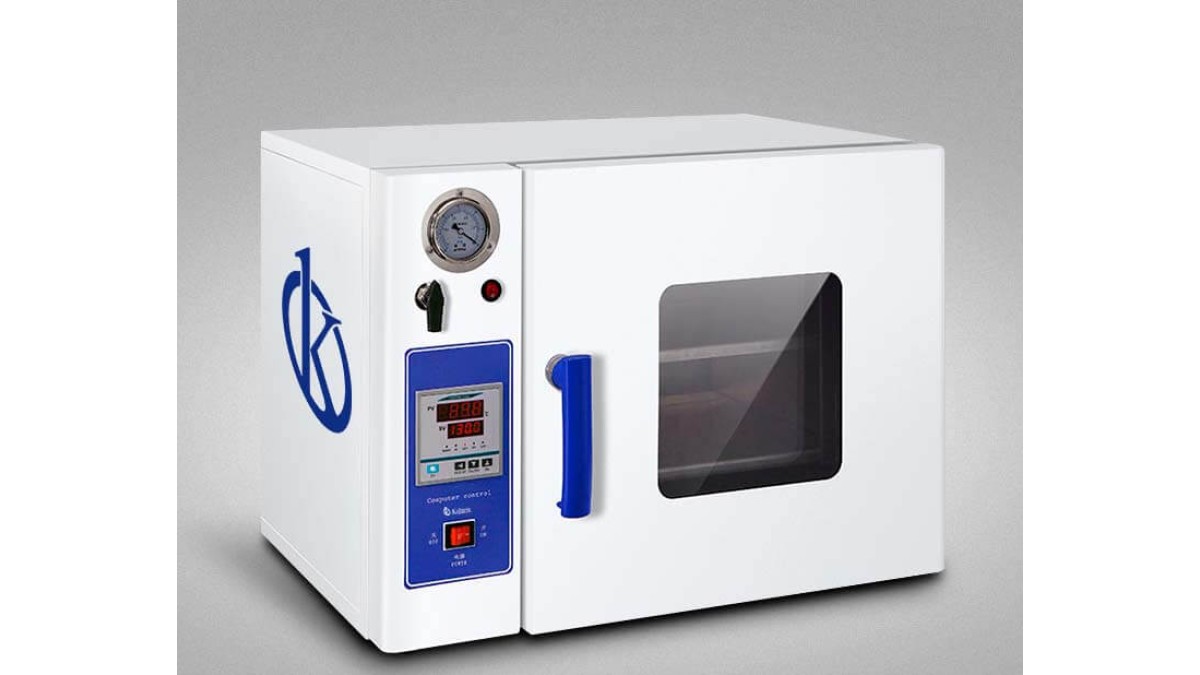
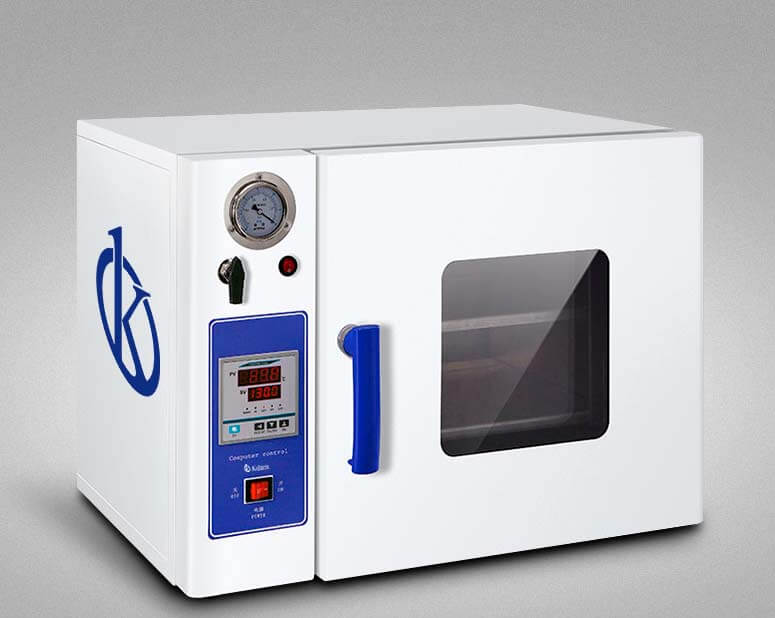
Vacuum Ovens: Best Techniques and Protocols in 2026
In the ever-evolving field of laboratory technology, vacuum ovens play a crucial role in various applications, offering unique drying and sterilization capabilities. This guide delves into the practical applications, techniques, and best practices for using vacuum ovens in laboratories throughout 2026.
What is it used for in 2026
Vacuum ovens are primarily used for drying heat-sensitive materials without causing thermal damage. These ovens create a controlled low-pressure environment that lowers the boiling point of water, allowing for rapid and thorough drying. Common applications include:
- Drying of sensitive pharmaceutical products
- Preparation of samples for chemical analysis
- Destruction of volatile substances in materials
- Sterilization of glassware and equipment
- Drying of agricultural samples for research
History and evolution of the technology
The concept of vacuum drying can be traced back to the early 20th century, primarily used in the pharmaceutical and food industries. Over the years, advancements in materials and technology have led to more efficient and reliable vacuum ovens. Today's models incorporate precise temperature controls, timer settings, and advanced monitoring systems, making them invaluable in modern laboratories.
How to use it step by step
Using a vacuum oven involves several steps to ensure optimal results:
- Preparation: Clean the oven chamber and ensure all components are functioning correctly.
- Loading samples: Arrange samples evenly inside the oven, avoiding overcrowding to ensure proper airflow.
- Setting parameters: Configure the temperature and vacuum level according to the material specifications.
- Starting the cycle: Begin the drying cycle and monitor the process through the control panel.
- Completion: Once the cycle is finished, allow the samples to cool before removing them.
- Post-use cleaning: Clean the chamber thoroughly after use to prevent contamination.
Best techniques and protocols
To achieve the best results when using vacuum ovens, consider the following techniques:
- Optimize vacuum levels: Adjust the vacuum level to suit the material being dried for faster and more efficient drying.
- Monitor temperature fluctuations: Use precise temperature controls to prevent overheating of sensitive samples.
- Pre-heat the oven: Pre-heating the oven before introducing samples can enhance drying efficiency.
- Use desiccants: Incorporating desiccants can further improve moisture removal from the samples.
Practical applications by laboratory type
Different laboratories utilize vacuum ovens for various applications:
- Pharmaceutical laboratories: For drying active ingredients and final products.
- Chemical laboratories: For preparing samples for analysis and removing solvents.
- Food laboratories: For testing moisture content in food products.
- Environmental laboratories: For analyzing soil and water samples.
Regulations, standards and certifications
In 2026, laboratories must comply with various regulations regarding the use of vacuum ovens. Key standards include:
- ISO 9001 for quality management systems
- ISO 17025 for testing and calibration laboratories
- Good Laboratory Practice (GLP) guidelines
These regulations ensure the safe and effective use of vacuum ovens in laboratory environments.
Comparison with alternative technologies
Vacuum ovens are often compared with other drying technologies, such as convection ovens and freeze dryers. Each has its advantages:
- Vacuum ovens: Ideal for heat-sensitive materials, providing quick drying at lower temperatures.
- Convection ovens: Suitable for general drying but may damage heat-sensitive materials.
- Freeze dryers: Best for preserving bioactive compounds but require more extensive preparation and longer cycles.
Comparison of available models
| Model | Best for | Key specs | Recommended use case |
|---|---|---|---|
| YR05260-A | General drying of heat-sensitive materials | Voltage: 220V, Temperature Range: RT + 5 ~ 250°C, Timer Range: 0 ~ 999 minutes | Drying lab samples in pharmaceutical applications |
| YR05261-A | Pharmaceutical and chemical applications | Voltage: 220V, Temperature Range: RT + 5 ~ 250°C, Timer Range: 0 ~ 999 minutes | Sample preparation for chemical analysis |
| YR05262-SS | Environmental and agricultural research | Voltage: 220V, Temperature Range: RT + 5 ~ 250°C, Timer Range: 0 ~ 999 minutes | Drying soil and water samples for analysis |
| YR05263-SS | Complex samples and sterility testing | Voltage: 220V, Temperature Range: RT + 5 ~ 250°C, Timer Range: 0 ~ 999 minutes | Sterilization of glassware and tools |
| YR05264-A | General laboratory drying tasks | Voltage: 220V, Temperature Range: RT + 5 ~ 250°C, Timer Range: 0 ~ 999 minutes | Drying various laboratory samples efficiently |
| YR05265-SS | Advanced sterilization processes | Voltage: 220V, Temperature Range: RT + 5 ~ 250°C, Timer Range: 0 ~ 999 minutes | High-demand sterilization in pharmaceutical settings |
Common mistakes and how to avoid them
Laboratory professionals can avoid common mistakes by implementing the following practices:
- Overloading the oven: Ensure samples are evenly distributed for proper airflow.
- Ignoring temperature settings: Always set the correct temperature based on material specifications.
- Neglecting maintenance: Regularly check and clean the oven to maintain optimal performance.
Maintenance, calibration and good practices 2026
To ensure longevity and performance of vacuum ovens, follow these maintenance tips:
- Regular cleaning: Clean the interior and exterior surfaces after each use.
- Calibration checks: Perform regular calibration of temperature and vacuum gauges.
- Component inspections: Regularly inspect seals and gaskets for wear and tear.
Cost-benefit analysis 2026
When considering the purchase of a vacuum oven, evaluate the following factors:
- Initial Investment: Compare the costs of different models.
- Operational Efficiency: Assess the time savings and efficiency gains in your processes.
- Long-term Savings: Consider the durability and low maintenance costs associated with high-quality models.
Frequently asked questions
What types of materials can be dried using a vacuum oven?
Vacuum ovens are suitable for drying heat-sensitive materials, such as pharmaceuticals, food products, and delicate samples that may degrade under high temperatures.
How do I determine the best vacuum oven model for my laboratory?
Consider factors such as the specific applications you'll be using the oven for, the volume of samples, and your budget. Reviewing the specifications of each model can help in making an informed decision.
What is the importance of vacuum level in drying processes?
The vacuum level affects the boiling point of moisture in samples; a lower vacuum level allows for faster drying without damaging heat-sensitive materials.
How often should I perform maintenance on my vacuum oven?
Regular maintenance should be conducted after each use, with more in-depth checks and calibrations performed monthly or quarterly depending on the usage frequency.
Can I use a vacuum oven for sterilization purposes?
Yes, vacuum ovens can be effectively used for sterilizing glassware and tools in laboratory settings, provided that the correct temperature and time settings are used.
What are some common errors when using vacuum ovens?
Common errors include improper loading of samples, incorrect temperature settings, and neglecting maintenance. These can lead to inefficient drying and potential damage to samples.
How can I request a quote for a vacuum oven?
To request a quote, please explore the options available on our platform, where you can find detailed information and pricing for various models.
If you are looking for a fusion of innovation and quality, you have come to the right place. At Kalstein, we offer you the luxury of exploring our exclusive catalog of laboratory equipment. We manufacture every device to the highest standards of excellence. Our intuitive and seamless online purchasing channels are designed for your convenience, securing the most competitive prices. Hesitate no longer — we bring science to life, it is time to become part of our community.