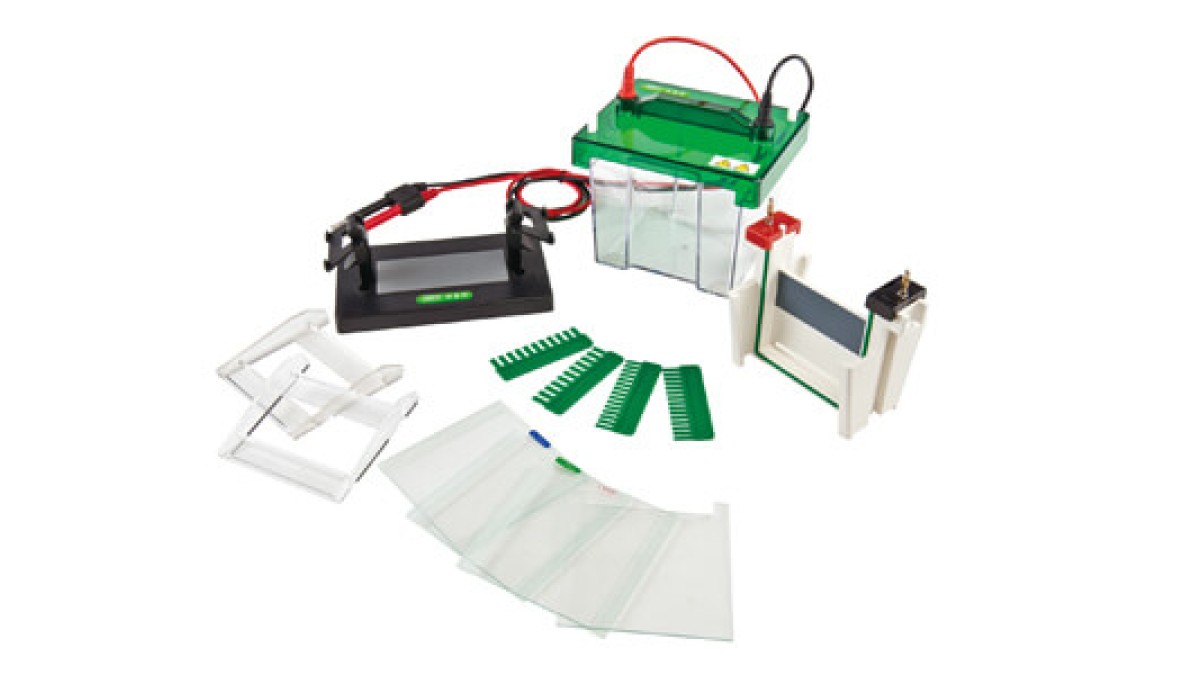
Vertical Electrophoresis: Common Mistakes and How to Avoid Them in Daily Operations 2026
Vertical electrophoresis is a sophisticated technique extensively used in laboratories for the separation of proteins. This article will delve deep into the applications, history, techniques, and common mistakes of vertical electrophoresis, ensuring that laboratory professionals are well-equipped for effective operation.
What is it used for in 2026
In 2026, vertical electrophoresis is primarily utilized for the separation and analysis of proteins in complex samples. Researchers leverage this technique to study protein structure, function, and interactions, which are critical in fields such as biochemistry, molecular biology, and clinical diagnostics. The devices enable effective separation of proteins based on size and charge, allowing for subsequent analysis and identification.
History and evolution of the technology
The origins of electrophoresis date back to the early 20th century, initially developed for the separation of nucleic acids. Over the decades, this technology evolved significantly, leading to the establishment of vertical electrophoresis systems. The introduction of polyacrylamide gels offered improved resolution and sensitivity, making it a favored technique for protein analysis. Recent advancements have focused on miniaturization, automation, and enhanced throughput, making vertical electrophoresis a staple in modern laboratories.
How to use it step by step
Using vertical electrophoresis involves several critical steps:
- Preparation of Gel: Prepare a polyacrylamide gel suitable for the target proteins by mixing the acrylamide, bis-acrylamide, and buffer, and pour into the mold.
- Sample Preparation: Dilute the protein samples in loading buffer, ensuring appropriate concentration and pH levels.
- Loading Samples: Carefully load the prepared samples into the gel wells using a micropipette, avoiding cross-contamination.
- Electrophoresis Setup: Assemble the vertical electrophoresis unit, ensuring proper alignment of glass plates and buffer reservoirs.
- Run the Electrophoresis: Apply voltage to initiate separation according to the protein characteristics, monitoring the progress as needed.
- Staining and Visualization: After electrophoresis, stain the gel with an appropriate dye to visualize the separated proteins.
Best techniques and protocols
Adhering to best practices is essential for successful vertical electrophoresis:
- Utilize appropriate gel concentrations tailored to protein sizes for optimal separation.
- Ensure proper buffer systems are used to maintain pH and ionic strength during electrophoresis.
- Implement consistent sample loading techniques to minimize variability.
- Regularly maintain and calibrate equipment to ensure optimal performance.
Practical applications by laboratory type
Vertical electrophoresis finds applications across various laboratory settings:
- Clinical Laboratories: Used for protein profiling and diagnosis of diseases.
- Research Laboratories: Fundamental in protein characterization and interaction studies.
- Quality Control Laboratories: Employed in the analysis of raw materials and final products in biopharmaceuticals.
Regulations, standards and certifications
Labs using vertical electrophoresis must adhere to stringent regulations and standards, including:
- ISO 9001 for quality management.
- GLP (Good Laboratory Practices) to ensure reliability and reproducibility in results.
- Compliance with local and international regulations for laboratory safety and biohazard management.
Comparison with alternative technologies
When considering separation technologies, vertical electrophoresis offers distinct advantages over alternatives such as:
- Horizontal Gel Electrophoresis: Limited to nucleic acids; vertical systems provide better resolution for proteins.
- Chromatography: While offering high specificity, it may be more expensive and time-consuming than electrophoresis.
Comparison of available models
| Model | Best for | Key specs | Recommended use case |
|---|---|---|---|
| YR03425 | Small sample analysis | Dimensions: 150x120x115 mm, Weight: 1.5 kg, Price: $303.00 | Ideal for individual protein studies in small lab settings. |
| YR03426 | Multiple gel casting | Dimensions: 220x170x120 mm, Weight: 2.5 kg, Price: $405.00 | Best for labs requiring simultaneous analysis of multiple samples. |
| YR03427 | Versatile gel applications | Dimensions: 175x175x100 mm, Weight: 2.5 kg, Price: $517.20 | Suitable for diverse protein separation tasks in research labs. |
| YR03428 | Large sample volume | Dimensions: 280x140x135 mm, Weight: 3.2 kg, Price: $173.40 | Best for high-throughput applications in clinical settings. |
| YR03429 | High-resolution studies | Dimensions: 280x140x250 mm, Weight: 5.6 kg, Price: $238.20 | Ideal for detailed protein characterization in research. |
| YR03430 | Rapid analysis | Dimensions: 280x140x136 mm, Weight: 2.2 kg, Price: $339.60 | Best for labs requiring quick turnaround on electrophoresis results. |
Common mistakes and how to avoid them
When using vertical electrophoresis, common pitfalls include:
- Inappropriate gel concentration: Ensure the gel concentration matches the protein size for effective separation.
- Overloading samples: Avoid overloading wells to preserve resolution; follow recommended sample volumes.
- Neglecting buffer composition: Always check buffer composition to maintain optimal pH and ionic strength.
- Improper staining techniques: Follow established protocols for staining to achieve clear visualization of bands.
Maintenance, calibration and good practices 2026
Regular maintenance is essential for the longevity of vertical electrophoresis equipment:
- Clean gel plates and components immediately after use.
- Calibrate equipment periodically to ensure accurate voltage and current settings.
- Store devices in a controlled environment to prevent damage.
- Document all maintenance and calibration activities for compliance.
Cost-benefit analysis 2026
Investing in vertical electrophoresis technology offers substantial benefits:
- High throughput capabilities justify initial costs in busy labs.
- Reduced time in protein analysis enhances overall lab productivity.
- Cost-efficient in comparison to alternative separation techniques, especially when considering the quality of data obtained.
Frequently asked questions
What should I consider when choosing a vertical electrophoresis system?
Consider the sample volume, the resolution required, and the types of proteins you will be separating. Look for systems that offer flexibility in gel sizes and buffer systems.
How often should I calibrate my electrophoresis equipment?
Calibration should be performed regularly, ideally before each use, to ensure accurate and reliable results. Document calibration dates and procedures for compliance.
What are the best practices for loading samples into the gel?
Always use a micropipette for precise sample loading. Avoid air bubbles, and ensure that samples are loaded into the correct wells without cross-contamination.
How can I improve resolution in my protein gels?
To enhance resolution, ensure that gel concentrations are optimal for the size of the proteins and consider using a larger running buffer volume to reduce ion depletion.
What staining methods are recommended for protein gels?
Coomassie Brilliant Blue and silver staining are commonly used methods. Follow specific protocols to ensure clear visualization without over-staining.
How can I avoid common mistakes during electrophoresis?
Carefully follow protocols for gel preparation, sample loading, and running conditions. Regular training and practice can also help mitigate errors.
Where can I request a quote for electrophoresis equipment?
You can request a quote by contacting our sales team through our customer service channels, ensuring you receive competitive pricing and tailored solutions for your laboratory needs.
If you are looking for a fusion of innovation and quality, you have come to the right place. At Kalstein, we offer you the luxury of exploring our exclusive catalog of laboratory equipment. We manufacture every device to the highest standards of excellence. Our intuitive and seamless online purchasing channels are designed for your convenience, securing the most competitive prices. Hesitate no longer — we bring science to life, it is time to become part of our community.