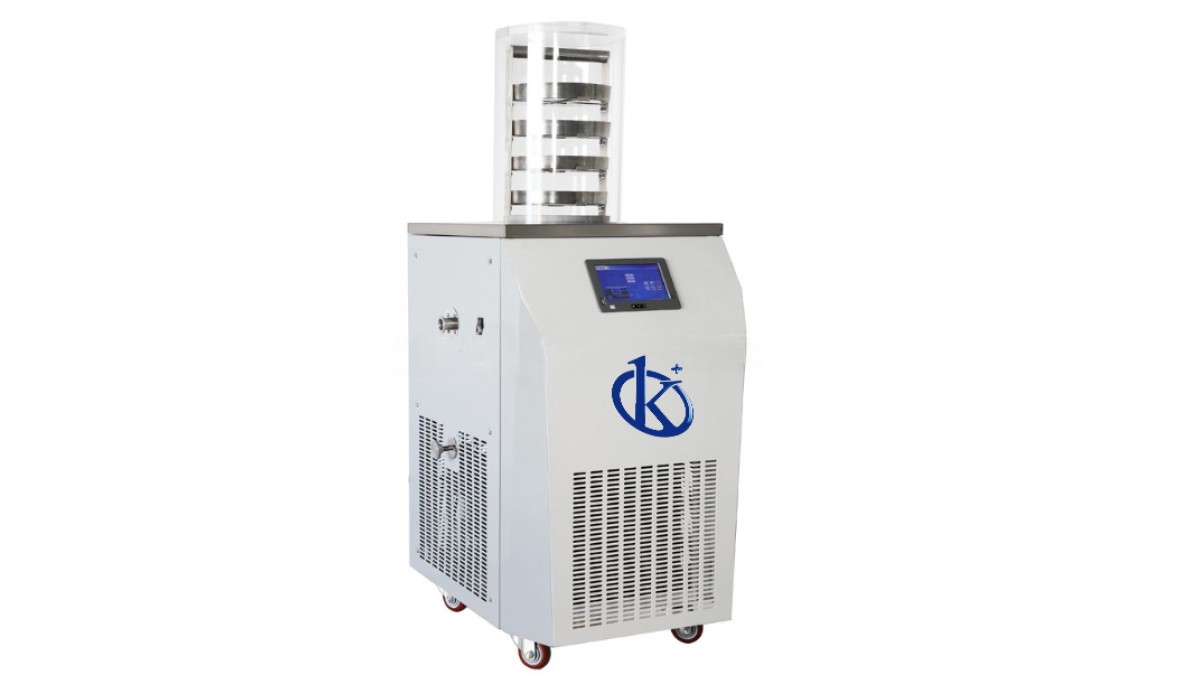
Vertical Laboratory Freeze Dryers: Common Mistakes and How to Avoid Them in Daily Operations 2026
What is it used for in 2026
Vertical Laboratory Freeze Dryers are essential in various fields, including medicine, pharmacy, biological research, chemistry, and food preservation. In 2026, their application lies in producing high-quality lyophilized products that maintain their biochemical characteristics after rehydration. They are widely used for preserving sensitive materials, ensuring long-term storage, and allowing restoration to their original state, all while preventing degradation.
History and evolution of the technology
The technology behind freeze drying has evolved significantly over the years. It began in the early 20th century as a method to preserve biological samples. Over time, advancements in vacuum technology, refrigeration, and automation have refined the process, making it more efficient and user-friendly. Modern vertical freeze dryers incorporate digital controls and enhanced drying techniques, leading to higher quality and efficiency in the laboratory environment.
How to use it step by step
Using a Vertical Laboratory Freeze Dryer involves several key steps:
- Preparation: Ensure the materials to be lyophilized are properly prepared and placed in suitable containers.
- Setup: Configure the freeze dryer settings according to the materials' specifications, including temperature and vacuum levels.
- Loading: Load the samples into the freeze dryer, making sure not to overload the trays.
- Running the Cycle: Initiate the freeze-drying process and monitor the cycle through the digital display.
- Post-Processing: Once complete, remove the samples, seal them properly and store them according to laboratory guidelines.
Best techniques and protocols
Adopting best practices is crucial for achieving optimal results with Vertical Laboratory Freeze Dryers. Some techniques include:
- The use of tray drying for equal heat distribution.
- Conducting a pre-freezing step to enhance the efficiency of the lyophilization.
- Employing temperature monitoring during the cycle to adjust parameters as necessary.
- Using inert gases to prevent oxidation during storage.
Practical applications by laboratory type
Different laboratories utilize Vertical Laboratory Freeze Dryers for various applications:
- Pharmaceutical labs: For producing stable drug formulations.
- Research institutions: To preserve biological materials for analysis.
- Food processing: For creating lyophilized fruits and vegetables for longer shelf life.
Regulations, standards and certifications
In 2026, compliance with various regulations and standards is crucial. Laboratories must adhere to FDA guidelines, GMP (Good Manufacturing Practices), and ISO certifications pertaining to laboratory practices and equipment. This ensures that the freeze-dried products are safe and effective for use.
Comparison with alternative technologies
When comparing Vertical Laboratory Freeze Dryers to other drying technologies such as spray drying and drum drying, freeze drying offers superior product quality, especially for heat-sensitive materials. While spray drying is more suitable for liquid products, freeze drying preserves the structure and bioactive compounds of sensitive materials.
Comparison of available models
| Model | Best for | Key specs | Recommended use case |
|---|---|---|---|
| YR05198 | Routine laboratory lyophilization | 0.18m²/0.27m², 6 kg/24h | General laboratory applications |
| YR05199 | Research applications | 0.09m², 6 kg/24h | Specialized research laboratories |
| YR05200 | Laboratory scale production | 0.18m²/0.27m², 6 kg/24h | Production settings |
| YR05201 | Advanced research | 0.09m², 6 kg/24h | Advanced applications requiring precision |
| YR05985-1 | Fruit and vegetable processing | 0.7m², 10 kg/24h | Food industry applications |
| YR05985-2 | Large-scale food processing | 1.04m², 15 kg/24h | High-volume food production |
Common mistakes and how to avoid them
Laboratory professionals often make mistakes when operating Vertical Laboratory Freeze Dryers. Common errors include:
- Overloading the freeze dryer, which can lead to uneven drying.
- Improper sealing of samples, which can cause rehydration issues.
- Neglecting to monitor temperature during the drying process, leading to suboptimal results.
- Failing to calibrate equipment regularly, which can affect performance.
To avoid these mistakes, always follow the manufacturer’s guidelines, conduct regular checks, and ensure only suitable loads are processed in the dryer.
Maintenance, calibration and good practices 2026
Regular maintenance and calibration of Vertical Laboratory Freeze Dryers are essential for optimal performance. This includes:
- Periodic cleaning of the chamber and trays.
- Calibrating temperature and vacuum sensors to maintain accuracy.
- Checking vacuum seals and replacing them when necessary.
- Keeping a maintenance log to track performance over time.
Cost-benefit analysis 2026
When investing in Vertical Laboratory Freeze Dryers, conducting a cost-benefit analysis is crucial. Consider the initial purchase price, maintenance costs, and potential savings from improved product quality and extended shelf life. The long-term benefits often outweigh the initial costs, making them a wise investment for laboratories focused on efficiency and quality.
Frequently asked questions
What factors should I consider when choosing a freeze dryer?
When selecting a freeze dryer, consider the capacity, the type of materials you will be drying, the operational complexity, and your budget constraints.
How can I ensure the quality of my lyophilized products?
To guarantee high-quality lyophilized products, monitor key parameters such as temperature and vacuum levels throughout the process, and ensure proper sealing of samples.
What maintenance is necessary for a freeze dryer?
Regular cleaning, calibration of sensors, and inspection of vacuum seals are essential maintenance tasks to ensure optimal performance and longevity of the equipment.
Can I freeze dry liquids directly?
No, liquids must be pre-frozen before being placed in the freeze dryer to ensure effective lyophilization.
How do I know when to replace parts of my freeze dryer?
Monitor the performance of your freeze dryer; if you notice reduced efficiency or increased processing times, it may be time to replace seals or sensors.
What should I do if my freeze dryer is not achieving the desired vacuum level?
Check for leaks in the vacuum system, ensure that the seals are intact, and verify that the pump is functioning correctly.
Where can I request a quote for a new freeze dryer?
To request a quote for a new Vertical Laboratory Freeze Dryer, please visit our website for more information and options.
If you are looking for a fusion of innovation and quality, you have come to the right place. At Kalstein, we offer you the luxury of exploring our exclusive catalog of laboratory equipment. We manufacture every device to the highest standards of excellence. Our intuitive and seamless online purchasing channels are designed for your convenience, securing the most competitive prices. Hesitate no longer — we bring science to life, it is time to become part of our community.