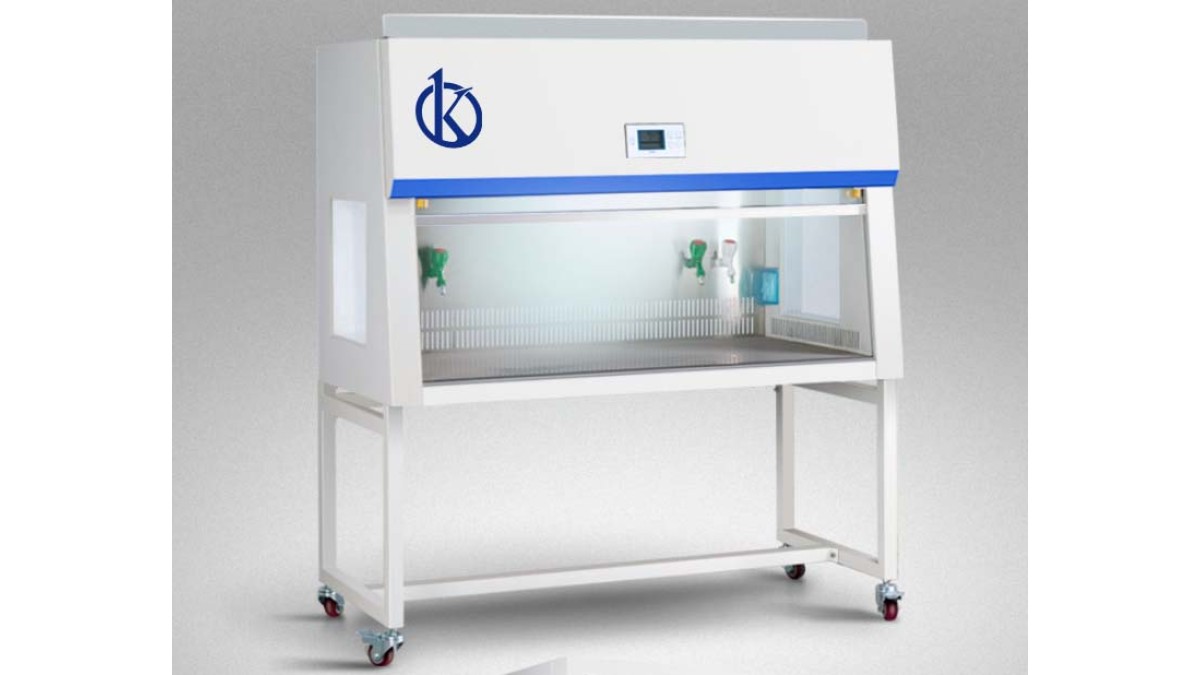

Vertical Laminar Flow Clean Benches: Practical Applications and Techniques 2026
Vertical Laminar Flow Clean Benches are essential equipment in various laboratory environments, ensuring a clean and controlled workspace for sensitive tasks. In this article, we will explore their usage, historical evolution, step-by-step instructions, best practices, and more for the year 2026.
What is it used for in 2026
Vertical Laminar Flow Clean Benches are used primarily to protect samples and processes from contamination in sterile environments. They are crucial in laboratories focused on pharmaceuticals, biotechnology, electronics, and life sciences. In 2026, these benches are optimized for precision and efficiency, supporting workflows that require a controlled airflow to safeguard sensitive experiments from particulate matter and biological contamination.
History and evolution of the technology
The concept of laminar flow technology dates back to the mid-20th century, originally designed to enhance cleanliness in operating rooms and research labs. Over the decades, advancements in filtration technology, materials, and airflow design have transformed the functionality of clean benches. By 2026, Vertical Laminar Flow Clean Benches have evolved to incorporate digital controls, enhanced user interfaces, and improved energy efficiency, making them a staple in modern laboratories.
How to use it step by step
Using a Vertical Laminar Flow Clean Bench effectively involves the following steps:
- Preparation: Ensure the bench is clean and free from any obstructions. Wear appropriate personal protective equipment (PPE).
- Power On: Switch on the clean bench and allow it to run for a minimum of 30 minutes to ensure proper airflow and filter operation.
- Setup: Arrange your materials within the work area while maintaining a distance from the air vents to avoid contamination.
- Conduct Work: Perform your procedures, ensuring to minimize any unnecessary movements in and out of the clean zone.
- Post-Use Cleaning: After completing your work, clean the surfaces with appropriate disinfectants and turn off the equipment.
Best techniques and protocols
To maximize the effectiveness of Vertical Laminar Flow Clean Benches, consider the following protocols:
- Always start with a clean workspace.
- Limit the time doors are open to enhance airflow integrity.
- Use sterile tools and materials.
- Regularly monitor and document the performance of the clean bench to adhere to operational standards.
Practical applications by laboratory type
Different laboratories utilize Vertical Laminar Flow Clean Benches for various applications:
- Pharmaceutical Labs: Formulating and testing sterile drugs.
- Biotechnology Labs: Conducting genetic engineering experiments.
- Clinical Labs: Handling biological samples and cultures.
- Electronics Labs: Assembling sensitive electronic components.
Regulations, standards and certifications
In 2026, compliance with international standards such as ISO 14644.1 is essential for the operation of Vertical Laminar Flow Clean Benches. These standards dictate the cleanliness levels and operational protocols to ensure quality and safety in laboratory environments. Regular certifications are necessary to maintain operational integrity.
Comparison with alternative technologies
While Vertical Laminar Flow Clean Benches are highly effective for specific applications, alternatives like biosafety cabinets and fume hoods also serve important roles. Biosafety cabinets provide protection for both the user and the environment, while fume hoods are designed for handling hazardous materials. The choice between these technologies depends largely on the specific needs of the laboratory.
Comparison of available models
| Model | Best for | Key specs | Recommended use case |
|---|---|---|---|
| YR05267-1 | Biotechnology and Pharmaceutical Protection | ISO Class 5, 0.3-0.6 m/s, 400W | Ideal for dual-person operations in labs. |
| YR05734 | Aseptic Handling | Class 100, 0.25-0.45 m/s, 220V | Perfect for small-scale experiments. |
| YR05735 | Aseptic Handling | Class 100, 0.25-0.45 m/s, 220V | Useful for precise laboratory tasks. |
| YR05736 | General Laboratory Use | Class 100, 0.25-0.45 m/s, 100W | Best for experiments requiring clean conditions. |
| YR05737 | General Laboratory Use | Class 100, 0.25-0.45 m/s, 500W | Ideal for various general applications. |
| YR05738 | Medical and Chemical Applications | Class 100, 0.25-0.45 m/s, 400W | Suitable for medical and pharmaceutical processes. |
Common mistakes and how to avoid them
Laboratory professionals often encounter several common issues when using Vertical Laminar Flow Clean Benches:
- Neglecting Pre-Use Checks: Always check that filters are in good condition before use.
- Overloading the Workspace: Limit items in the clean zone to enhance airflow.
- Improper Cleaning: Regular and thorough cleaning protocols must be followed to maintain a sterile environment.
Maintenance, calibration and good practices 2026
Regular maintenance and calibration are vital for optimal performance:
- Conduct biannual filter changes and performance checks.
- Calibrate airflow speeds to ensure compliance with standards.
- Document all maintenance activities for accountability and compliance.
Cost-benefit analysis 2026
Investing in Vertical Laminar Flow Clean Benches can yield significant returns in laboratory efficiency and safety. The initial costs are offset by reduced contamination rates and improved laboratory workflows. Furthermore, compliance with regulatory standards can prevent costly fines and ensure uninterrupted operations.
Frequently asked questions
What should I consider when choosing a Vertical Laminar Flow Clean Bench?
When selecting a clean bench, consider the space available, the type of work you'll be conducting, and the required cleanliness class.
How often should I clean the clean bench?
It is recommended to clean the clean bench after every use and conduct deeper cleanings weekly or biweekly, depending on usage.
Can I use the clean bench for hazardous materials?
No, Vertical Laminar Flow Clean Benches are not designed for hazardous materials. For such tasks, a biosafety cabinet is recommended.
How do I know when to replace the filters?
Filters should be replaced according to manufacturer specifications or when airflow performance drops below required standards.
What are the signs of contamination in my work area?
Signs can include visible particles, microbial growth, or unexpected results in experiments. Regular monitoring is essential.
Is training necessary for using clean benches?
Yes, proper training is essential to ensure efficient use and adherence to safety protocols.
How can I request a quote for a clean bench?
You can reach out to suppliers or manufacturers directly to request a quote based on your specific needs and specifications.
If you are looking for a fusion of innovation and quality, you have come to the right place. At Kalstein, we offer you the luxury of exploring our exclusive catalog of laboratory equipment. We manufacture every device to the highest standards of excellence. Our intuitive and seamless online purchasing channels are designed for your convenience, securing the most competitive prices. Hesitate no longer — we bring science to life, it is time to become part of our community.