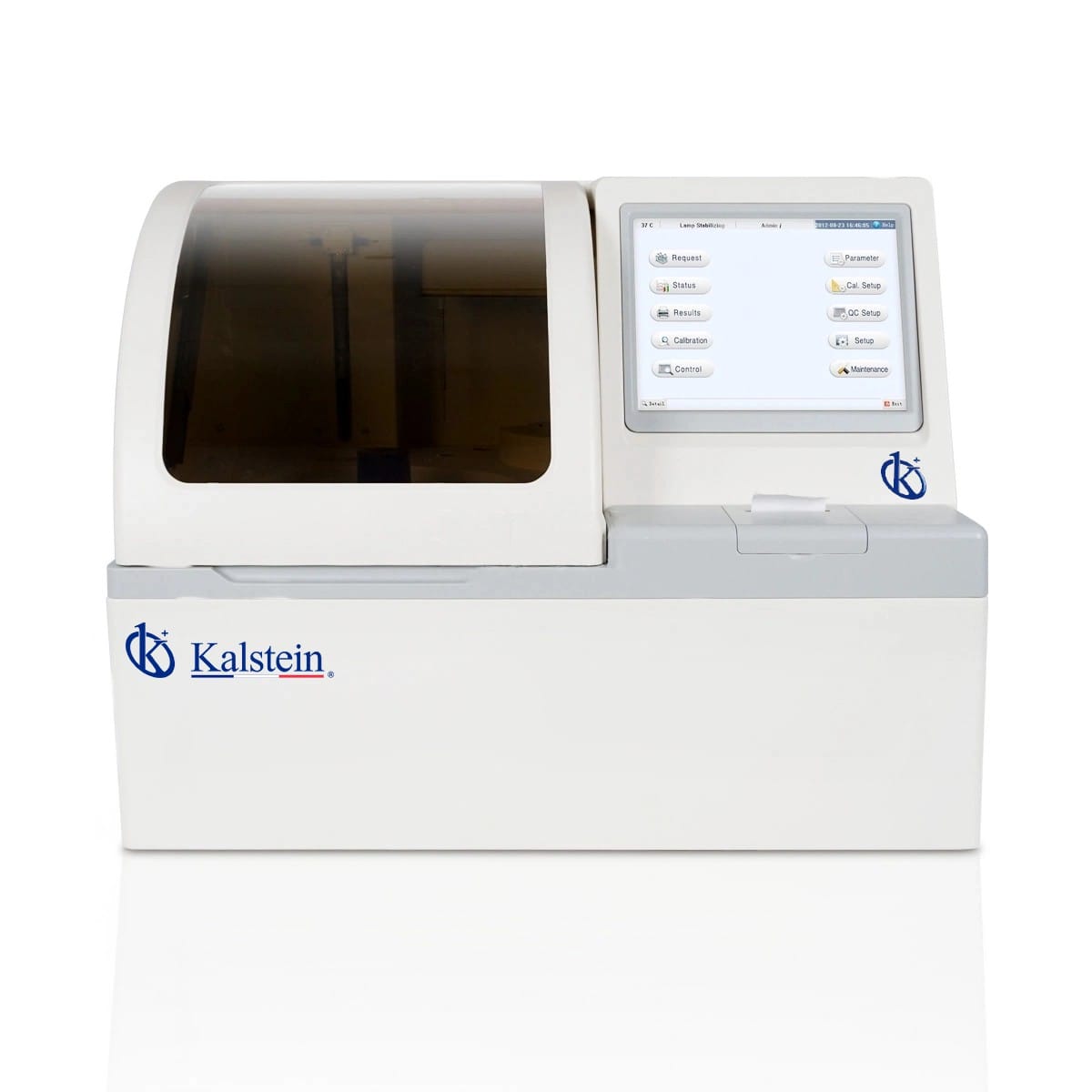
How Can Veterinary Chemistry Analyzers Contribute to Energy Sustainability and Environmental Impact Reduction?
The veterinary industry increasingly recognizes the importance of sustainability and the reduction of environmental footprints. This awareness has spurred the development of advanced veterinary chemistry analyzers designed not only for efficiency but also for minimizing energy consumption and waste. In this article, we will explore how different models of veterinary chemistry analyzers, such as the Automatic Veterinary Chemistry Analyzer YR06168, Portable Veterinary Chemistry Analyzer YR06169, Quantitative Veterinary Immunofluorescence Analyzer YR06172, Blood Gas and Electrolyte Analyzer YR06174, and Chemical Veterinary Analyzer YR06077, play significant roles in achieving these sustainability goals.
Understanding the Energy Consumption of Veterinary Chemistry Analyzers
Energy consumption is a critical factor in evaluating the sustainability of laboratory equipment. The veterinary chemistry analyzers listed above feature various technologies and operational efficiencies that can significantly reduce their energy consumption. For instance, the YR06169 model operates with a power supply that accommodates both DC and AC power sources, ensuring optimal functionality while minimizing energy waste.
Impact of Reduced Reagent Use on Environmental Footprint
Reagent consumption contributes significantly to the environmental footprint of veterinary laboratories. The Automatic Veterinary Chemistry Analyzer YR06168 is designed to operate with micro-volumes of samples and reagents, thus reducing chemical waste. Implementing systems that can handle small volumes not only conserves resources but also minimizes hazardous waste, aligning with goals for sustainability.
Lifecycle Assessment: The Role of Energy Efficiency
Conducting a lifecycle assessment (LCA) helps laboratories evaluate the total energy and material inputs and outputs associated with the use of veterinary chemistry analyzers. By focusing on energy-efficient models, such as YR06174, laboratories can significantly reduce their overall energy costs and environmental impact over the equipment's lifespan. These assessments highlight the importance of energy-efficient technologies in veterinary practices.
Comparative Analysis of Energy Usage Across Different Models
Understanding how various models perform in terms of energy consumption can guide laboratories in selecting the most efficient options. Here is a table comparing the energy efficiency and other relevant features of different veterinary chemistry analyzers:
| Model | Power Supply (W) | Reagent Volume | Waste Reduction | Best For |
|---|---|---|---|---|
| YR06168 | DC 110V/220V | Micro-volumes | High | General veterinary use |
| YR06169 | AC 100V-240V | 100uL | Medium | Field testing |
| YR06172 | 100V~240V | Standard volumes | Medium | Immunofluorescence |
| YR06174 | 100V~240V | Various | High | Gas and electrolyte analysis |
| YR06077 | DC 110V/220V | Multiple configurations | Medium | Chemical analysis |
Common Mistakes and How to Avoid Them
Many laboratories make critical mistakes that undermine their sustainability efforts. One common error is not considering the energy efficiency and environmental impact of laboratory equipment during procurement. Selecting models like the Portable Veterinary Chemistry Analyzer YR06169, with its integrated thermal printer and minimal reagent usage, can prevent excess waste and energy consumption. Labs should conduct thorough research and adopt a holistic view of sustainability to avoid pitfalls.
Frequently Asked Questions
How can I assess the energy consumption of a veterinary chemistry analyzer?
To assess energy consumption, consider models like YR06174 that provide operational power specifications, such as using 100V~240V. You can calculate energy costs by evaluating how often the analyzer is used and the duration of its operation. This approach helps in estimating potential savings in energy costs.
Which veterinary chemistry analyzer is best for reducing environmental impact?
The Automatic Veterinary Chemistry Analyzer YR06168 stands out for its micro-volume operation and high reagent efficiency. By minimizing waste and using fewer chemicals, it effectively reduces the laboratory's environmental footprint, making it an excellent choice for sustainability-focused practices.
What is the role of reagent micro-volume technology in sustainability?
Reagent micro-volume technology, such as that found in the YR06168 model, allows labs to use significantly less reagent per analysis. This not only conserves resources but also minimizes hazardous waste, thus playing a vital role in improving sustainability in veterinary chemistry analysis.
How does energy efficiency impact operational costs for veterinary analyzers?
Energy efficiency directly affects operational costs by reducing electricity consumption. For example, the Portable Veterinary Chemistry Analyzer YR06169, designed to operate on low energy while delivering quick results, helps labs save on energy bills, contributing positively to the bottom line.
What are the best practices for optimizing the sustainability of veterinary chemistry analyzers?
Optimizing sustainability involves adopting analyzers like the YR06174, which are designed for energy efficiency and minimal reagent use. Regular maintenance and calibration ensure they operate at peak efficiency while following best practices for waste disposal and recycling also enhances sustainability.
How can labs reduce their reagent waste while using veterinary chemistry analyzers?
Labs can reduce reagent waste by choosing analyzers like the Chemical Veterinary Analyzer YR06077, which supports customizable tests and smaller sample volumes. Implementing efficient protocols and properly training staff also contributes to minimizing waste during laboratory operations.
What are the long-term benefits of investing in energy-efficient veterinary analyzers?
Investing in energy-efficient models such as the Quantitative Veterinary Immunofluorescence Analyzer YR06172 can lead to substantial long-term savings on energy costs, reduced reagent consumption, and a lower environmental impact, positioning the laboratory as a responsible operator in the veterinary field.
How do veterinary analyzers contribute to compliance with environmental standards?
Veterinary analyzers, particularly those like the YR06174 model, often come equipped with features to ensure compliance with environmental regulations by minimizing waste and energy use. They help laboratories adhere to best practices for sustainability, thus supporting compliance with relevant environmental standards.
If you are looking for a fusion of innovation and quality, you have come to the right place. At Kalstein, we offer you the luxury of exploring our exclusive catalog of laboratory equipment. We manufacture every device to the highest standards of excellence. Our intuitive and seamless online purchasing channels are designed for your convenience, securing the most competitive prices. Hesitate no longer — we bring science to life, it is time to become part of our community.