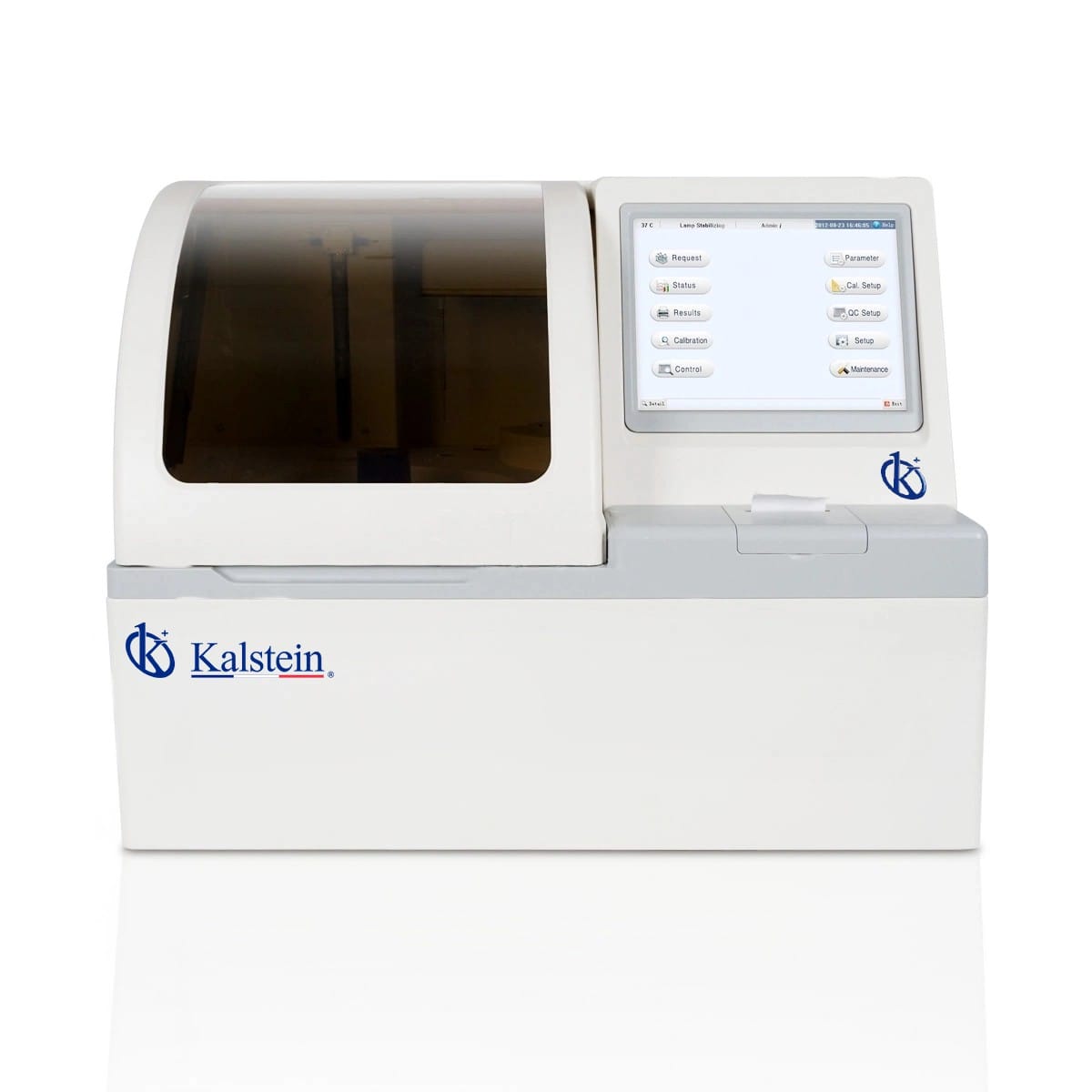
Veterinary Chemistry Analyzers: Practical Applications and Techniques 2026
What is it used for in 2026
In 2026, Veterinary Chemistry Analyzers are essential tools in veterinary practices, laboratories, and hospitals. These devices are utilized for a wide range of diagnostic tests on animal blood, urine, and other samples to assess health and diagnose diseases. They enable quick, accurate analysis, which is critical for timely treatment decisions. Additionally, these analyzers support multiple species, making them versatile for different veterinary environments.
History and evolution of the technology
Since their inception, Veterinary Chemistry Analyzers have undergone significant advancements in technology. Initially, manual methods dominated the landscape, requiring extensive time and labor. However, with the advent of automated systems, the accuracy and efficiency of testing improved dramatically. Modern analyzers now feature integrated software, advanced optics, and user-friendly interfaces, enabling veterinarians to obtain results rapidly and reliably.
How to use it step by step
Using a Veterinary Chemistry Analyzer involves several crucial steps:
- Sample Preparation: Collect the required sample from the animal, ensuring to follow proper protocols for handling and storage.
- Calibration: Ensure that the analyzer is calibrated according to the manufacturer’s guidelines to guarantee accurate results.
- Loading Samples: Load the samples into the analyzer, following the specific instructions for each model.
- Running Tests: Select the appropriate test panel on the analyzer and start the analysis process.
- Reviewing Results: Once the analysis is complete, review the results directly on the analyzer's interface or print them out for record keeping.
- Post-Analysis Procedures: Follow up on results with appropriate veterinary actions or further testing if necessary.
Best techniques and protocols
For optimal use of Veterinary Chemistry Analyzers, adhere to the following best techniques and protocols:
- Training: Ensure all operators are thoroughly trained in using the analyzer and understanding test interpretations.
- Regular Calibration: Regularly calibrate the device according to the manufacturer's specifications to maintain accuracy.
- Quality Control: Implement routine quality control checks using control samples to validate the analyzer's performance.
- Documentation: Maintain detailed records of all tests performed, including calibrations and quality control results.
- Safety Protocols: Follow safety protocols for handling biological samples and reagents.
Practical applications by laboratory type
Veterinary Chemistry Analyzers have various applications depending on the laboratory type:
- General Practices: Used for routine health checks and diagnostics in general veterinary practices.
- Emergency Clinics: Critical for rapid testing in emergency situations, enabling quick decision-making for urgent care.
- Research Laboratories: Employed in clinical research to analyze effect and response in animal subjects.
- Specialized Veterinary Clinics: Used to perform specialized tests on exotic or unique species requiring tailored diagnostics.
Regulations, standards and certifications
Veterinary Chemistry Analyzers are subject to various regulations and standards to ensure safety and efficacy. In many regions, devices must comply with local veterinary health regulations, ISO standards, and CE marking for devices used in the European market. Regular audits and certifications from recognized bodies are essential for maintaining compliance and ensuring the quality of diagnostic results.
Comparison with alternative technologies
When comparing Veterinary Chemistry Analyzers to alternative technologies, consider the following:
- Manual Testing: While manual methods can be accurate, they are time-consuming and prone to human error, unlike automated analyzers.
- Point-of-Care Devices: These devices provide rapid results but may not offer the comprehensive testing capabilities found in laboratory analyzers.
- Other Automated Systems: Some systems may specialize in specific tests but lack the versatility of multi-panel analyzers.
Comparison of available models
| Model | Best for | Key specs | Recommended use case |
|---|---|---|---|
| YR06168 | High throughput laboratories | Performance up to 100 tests/hour, supports 8 pre-set animal configurations | Routine testing in busy veterinary practices |
| YR06169 | Portable testing needs | 8.4 inch touchscreen, requires only 100ul of blood for results | Field testing and emergency situations |
| YR06172 | Immunofluorescence tests | 7 inch touchscreen, stores 10000 images, supports WiFi | Specialized immunological analysis |
| YR06174 | Blood gas and electrolyte testing | Long-lasting fluid system, touchscreen interface | Critical care situations in emergency clinics |
| YR06077 | Wide range of species | Supports 12 animal types, 34 fixed tests | General veterinary practices for diverse animal health assessments |
Common mistakes and how to avoid them
Common pitfalls when using Veterinary Chemistry Analyzers include:
- Incorrect Sample Handling: Always ensure samples are collected and processed according to protocols to avoid contamination.
- Neglecting Calibration: Regular calibration checks are crucial for accurate results; failing to do so can lead to misleading diagnostics.
- Ignoring Quality Control: Implement consistent quality control measures to ensure reliability of results.
- Rushing Processes: Take the necessary time to perform each step accurately rather than hurrying through tests, as this can lead to errors.
Maintenance, calibration and good practices 2026
To ensure optimal performance of your Veterinary Chemistry Analyzer, adhere to these maintenance and calibration practices:
- Daily Cleaning: Clean the surfaces and sample compartments regularly to prevent cross-contamination.
- Scheduled Calibration: Follow the recommended calibration schedule provided by the manufacturer to maintain accuracy.
- Software Updates: Regularly update the analyzer's software to incorporate the latest features and fixes.
- Proper Storage: Store reagents and samples in recommended conditions to preserve their integrity.
Cost-benefit analysis 2026
The investment in a Veterinary Chemistry Analyzer can be substantial; however, the potential benefits include rapid results, improved animal welfare, and enhanced diagnostic capabilities which outweigh the initial costs. Furthermore, the ability to conduct in-house testing can reduce dependency on external labs, leading to cost savings over time. A thorough cost-benefit analysis should consider both direct financial implications and the potential improvements in patient outcomes.
Frequently asked questions
What is the best way to train staff on using a Veterinary Chemistry Analyzer?
Staff training should include hands-on sessions with the analyzer, comprehensive guides, and access to online resources or customer support from the manufacturer. Regular refresher courses are also beneficial.
How often should I calibrate my analyzer?
Calibration frequency can depend on usage, but it's generally recommended to calibrate before each use and after any maintenance or changes in environment.
What are the most common tests performed with Veterinary Chemistry Analyzers?
Common tests include blood glucose, liver enzymes, kidney function tests, and electrolyte levels, which are vital for diagnosing a range of health issues in animals.
Can I use a single analyzer for different animal species?
Yes, most modern Veterinary Chemistry Analyzers are designed to accommodate multiple species and can be programmed with specific tests for each type.
What should I do if the analyzer shows an error message?
Consult the user manual for troubleshooting tips, or contact customer support for assistance. Regular maintenance can also help prevent error messages.
How can I ensure the accuracy of my analyzer's results?
Ensure regular calibration, perform quality control checks with control samples, and adhere to proper sample handling protocols to maintain result accuracy.
Where can I request a quote for a Veterinary Chemistry Analyzer?
You can request a quote on our exclusive catalog of laboratory equipment to find the best analyzer that suits your needs.
If you are looking for a fusion of innovation and quality, you have come to the right place. At Kalstein, we offer you the luxury of exploring our exclusive catalog of laboratory equipment. We manufacture every device to the highest standards of excellence. Our intuitive and seamless online purchasing channels are designed for your convenience, securing the most competitive prices. Hesitate no longer — we bring science to life, it is time to become part of our community.