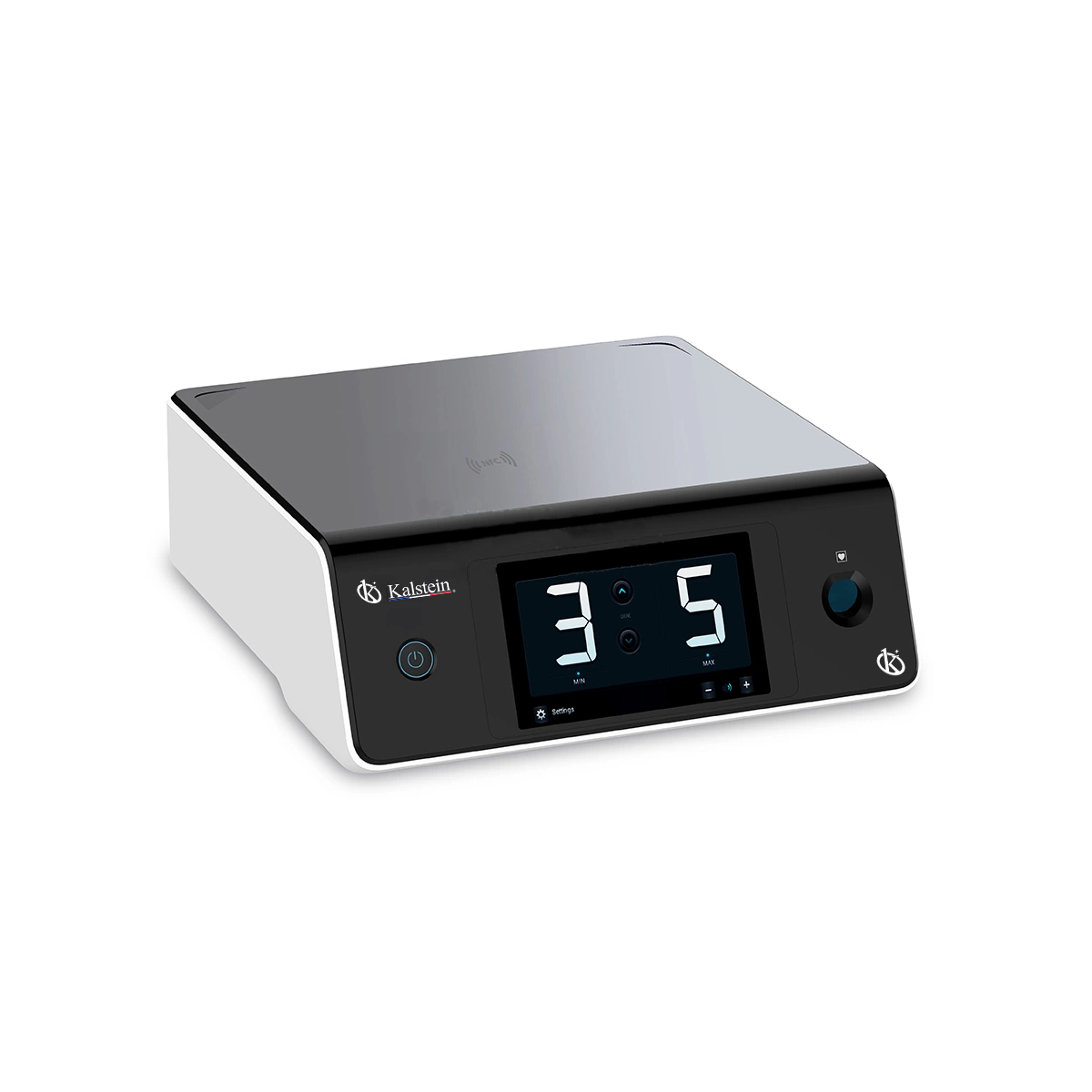
Veterinary Electrosurgical Units: Best Techniques and Protocols 2026
Veterinary Electrosurgical Units are essential tools in modern surgical practices, providing precision and efficiency in various procedures. This article delves into their applications, techniques, and best practices that laboratory professionals should know in 2026.
What is it used for in 2026
In 2026, Veterinary Electrosurgical Units serve a multitude of purposes in veterinary medicine. These devices are crucial for tasks such as tissue cutting, coagulation, and sealing blood vessels during surgeries. They help minimize blood loss and enhance recovery times for animals. With advancements in technology, these units are becoming increasingly versatile, enabling veterinarians to perform complex procedures with higher precision and less thermal damage to surrounding tissues.
History and evolution of the technology
The history of electrosurgery dates back to the early 20th century, originally developed for human medicine. Over the years, this technology has evolved significantly, with innovations that have made it applicable to veterinary practices. The first Veterinary Electrosurgical Units were basic and primarily utilized for cutting tissue. However, advancements have led to the creation of multifunctional devices that incorporate features such as automatic tissue detection and various modes of operation, greatly enhancing their efficacy and safety in surgical environments.
How to use it step by step
Using Veterinary Electrosurgical Units requires adherence to specific steps to ensure safety and effectiveness:
- Preparation: Ensure the unit is properly calibrated and the workspace is sterile.
- Select the appropriate mode: Depending on the procedure, choose between cutting or coagulation modes.
- Connect the electrodes: Attach the appropriate electrodes based on the surgical needs and the unit's specifications.
- Monitor settings: Set the desired power levels and ensure all safety features are activated.
- Conduct surgery: Use the unit as per the surgical protocol, keeping an eye on the tissue response.
- Post-operative care: After surgery, assess the site for any complications and adjust care based on the responses observed.
Best techniques and protocols
To maximize the benefits of Veterinary Electrosurgical Units, the following techniques and protocols should be employed:
- Tissue Preparation: Ensure tissues are well-prepared prior to surgery to facilitate better cutting and coagulation.
- Real-time Monitoring: Utilize units with real-time feedback systems to monitor tissue response during procedures.
- Layered Approaches: Apply a layered approach to cutting and coagulating to minimize tissue damage.
- Regular Calibration: Frequently calibrate devices to maintain accuracy and reliability during procedures.
Practical applications by laboratory type
Veterinary Electrosurgical Units are applicable across various clinical settings:
- General Veterinary Clinics: Used for routine surgical procedures.
- Specialty Veterinary Clinics: Ideal for specialized surgeries such as orthopedic and soft tissue surgeries.
- Research Laboratories: Utilized in experimental surgery and veterinary research.
Regulations, standards and certifications
In 2026, the use of Veterinary Electrosurgical Units must comply with strict regulations and standards to ensure safety and efficacy. This includes adherence to guidelines set by veterinary boards and health authorities, as well as certifications related to electrical safety and medical device regulations. It is crucial for laboratories to stay updated with these standards to ensure compliance.
Comparison with alternative technologies
Veterinary Electrosurgical Units offer numerous advantages over traditional surgical methods. They provide:
- Reduced blood loss: Through effective coagulation techniques.
- Less thermal damage: Compared to other methods such as laser surgery.
- Enhanced precision: Allowing for more controlled surgical procedures.
Alternative technologies, while useful, may lack the versatility and efficiency of electrosurgical units, making them less ideal in many veterinary applications.
Comparison of available models
| Model | Best for | Key specs | Recommended use case |
|---|---|---|---|
| YR06129 | Tissue cutting and sealing | 20um - 100um amplitude, 690VA input power | Small tissue surgeries |
| YR06130 | Multi-functional applications | 35 watts max output, touch screen control | General surgical procedures |
| YR06131 | Vascular surgeries | 300 watts max output, automatic identification | Laparoscopic and open procedures |
| YR06132 | General electrosurgery | 300W output in pure cut mode | Open surgeries requiring deep coagulation |
| YR06133 | Portable surgical applications | 15W maximum power, dual wavelength | Field surgeries and small animal practices |
| YR06134 | Advanced portable laser surgeries | 15W + 15W dual wavelength | Complex soft tissue surgeries |
Common mistakes and how to avoid them
Common errors in the use of Veterinary Electrosurgical Units include:
- Inadequate preparation: Ensure all instruments are sterilized and the unit is calibrated.
- Improper settings: Double-check power levels and modes before starting procedures.
- Lack of monitoring: Continuously monitor tissue response to adjust settings appropriately.
Maintenance, calibration and good practices 2026
Maintenance of Veterinary Electrosurgical Units is crucial for longevity and performance:
- Regular Cleaning: Clean the unit and accessories after each use to prevent contamination.
- Calibration: Calibrate the device according to the manufacturer’s guidelines periodically.
- Training: Ensure all operators are well-trained in the operation of the equipment to maximize safety and effectiveness.
Cost-benefit analysis 2026
Investing in Veterinary Electrosurgical Units can provide significant long-term benefits, including:
- Efficiency Gains: Save time in surgeries, allowing for more procedures.
- Reduced Recovery Times: Enhance animal recovery rates, leading to improved client satisfaction.
- Broadened Service Offerings: Enable clinics to offer a wider range of surgical services.
Overall, the financial outlay for these devices is often outweighed by the enhanced service quality and operational efficiency they provide.
Frequently asked questions
What factors should I consider when selecting a Veterinary Electrosurgical Unit?
When selecting a Veterinary Electrosurgical Unit, consider factors such as the types of procedures you perform, the unit's power output, ease of use, and safety features. Additionally, assess the versatility of the unit and whether it meets your clinic's specific needs.
How can I ensure my electrosurgical unit is safe to use?
To ensure safety, regularly inspect and maintain the unit, follow the manufacturer's guidelines for calibration, and ensure that all operators are properly trained. Additionally, adhere to local regulations regarding the use of electrosurgical devices.
Can I use Veterinary Electrosurgical Units for all types of surgeries?
While Veterinary Electrosurgical Units are versatile, it is important to select the appropriate unit and settings for different types of surgeries. Some units are better suited for soft tissue surgeries, while others excel in vascular procedures. Always refer to the device specifications and guidelines.
What is the impact of using electrosurgical units on recovery times for animals?
Using electrosurgical units can significantly reduce recovery times due to minimal tissue damage and improved coagulation. This results in less post-operative pain and quicker healing, benefiting both the patient and the veterinarian.
How often should I calibrate my Veterinary Electrosurgical Unit?
Calibration should be performed regularly, ideally before each use or according to the manufacturer's recommendations. Regular calibration ensures the unit operates within the specified parameters, promoting safety and efficacy during procedures.
What are the signs that my electrosurgical unit needs maintenance?
Signs that an electrosurgical unit may require maintenance include irregular performance, inconsistent power levels, frequent errors, and physical damage to the unit or accessories. If you notice any of these signs, it is crucial to stop using the device and perform maintenance as necessary.
If you are looking for a fusion of innovation and quality, you have come to the right place. At Kalstein, we offer you the luxury of exploring our exclusive catalog of laboratory equipment. We manufacture every device to the highest standards of excellence. Our intuitive and seamless online purchasing channels are designed for your convenience, securing the most competitive prices. Hesitate no longer — we bring science to life, it is time to become part of our community.